Trump administration unveils tariffs on drone imports

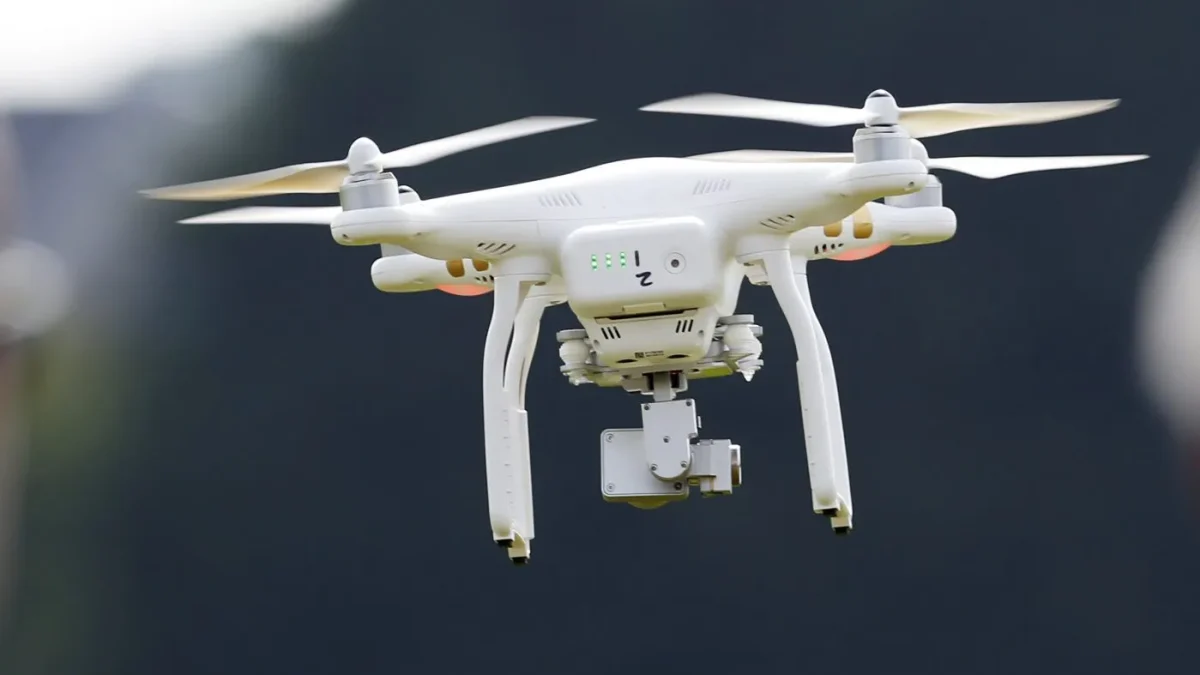
Table of Contents
White House Imposes Sweeping Tariffs on Drone Imports to Strengthen National Security
Provpnadvice.com – The Trump administration has introduced significant new trade measures targeting drone imports, marking a decisive move to reduce American dependence on overseas manufacturers while addressing growing national security vulnerabilities. The announcement, made on Thursday, establishes a tiered tariff structure designed to incentivize domestic production and protect critical supply chains from potential foreign threats.
A Two-Tiered Approach to Drone Tariffs
Under the presidential proclamation, the United States will apply different tariff rates depending on the size and capabilities of imported drones. Larger unmanned aircraft systems equipped with sensitive technologies, particularly thermal imaging capabilities, will face a steep 100 percent tariff. This higher rate also extends to other critical components essential for advanced drone operations.
Smaller drones and less sensitive parts will encounter a more moderate 25 percent tariff, creating a balanced framework that protects high-value technology while allowing continued access to essential components. The distinction reflects the administration’s nuanced understanding of which drone technologies pose the greatest security risks.
Addressing China’s Market Dominance
The White House explicitly identified China as a primary concern in the drone supply chain. The Asian nation has established overwhelming dominance in the commercial drone market, creating potential vulnerabilities that could be exploited during times of crisis or conflict. By implementing these tariffs, the administration aims to accelerate the growth of American drone manufacturing capabilities and reduce strategic dependence on a geopolitical rival.
The tariffs represent a broader effort to reshape global supply chains and bring critical manufacturing back to American soil. Commerce Secretary Howard Lutnick’s investigation, ordered by the president last year, revealed that domestic producers currently lack sufficient capacity to meet the nation’s security requirements in the unmanned aircraft sector.
Allied Nations Receive Preferential Treatment
Recognizing the importance of international partnerships, the proclamation establishes reduced tariff rates for several key allies. The European Union, Japan, Liechtenstein, South Korea, Switzerland, and Taiwan will benefit from a 15 percent import tax on qualifying drones. The United Kingdom receives even more favorable terms, with a 10 percent tariff rate for eligible products.
This differentiated approach demonstrates the administration’s commitment to strengthening relationships with trusted partners while maintaining pressure on countries that pose greater security concerns. The preferential treatment for allies may encourage increased trade and investment in drone manufacturing within these nations.
Legal Authority and Future Flexibility
The duties are being implemented under Section 232 of the Trade Expansion Act of 1962, which grants the president broad authority to restrict imports when national security interests are at stake. This legal foundation provides the administration with substantial flexibility to adjust the measures as circumstances evolve.
Additionally, the proclamation empowers Secretary Lutnick to create a program offering tariff relief connected to new investments in American drone manufacturing. This mechanism aligns with the administration’s “America First” strategy by rewarding domestic producers who expand their capabilities and contribute to national security objectives.
Implications for the Industry
These tariffs are expected to have far-reaching effects on both the drone industry and broader manufacturing sector. Domestic producers may experience increased demand as import costs rise, potentially accelerating investment in new facilities and workforce development. Consumers and businesses relying on imported drones may face higher prices in the short term, though long-term benefits could include greater supply chain resilience and job creation.
The thermal imaging capability requirement for the higher tariff rate reflects growing concerns about surveillance technologies and their potential applications. As drone technology continues advancing, the distinction between commercial and security-sensitive capabilities becomes increasingly important for policymakers.
With these measures in place, the United States positions itself to develop a more robust domestic drone industry while addressing critical national security vulnerabilities. The combination of immediate tariff protections and long-term investment incentives creates a comprehensive framework for transforming American drone manufacturing capabilities over the coming years.
Related Reading
Frequently Asked Questions
What is Trump administration unveils tariffs on drone?
Trump administration unveils tariffs on drone is the main topic of this guide. The article explains the context, practical details, and next steps readers should understand.
Why does Trump administration unveils tariffs on drone matter?
Trump administration unveils tariffs on drone matters because readers are looking for a useful answer, not just a short summary. Good content should match search intent and help them decide what to do next.