Trump asks Supreme Court to allow White House ballroom construction

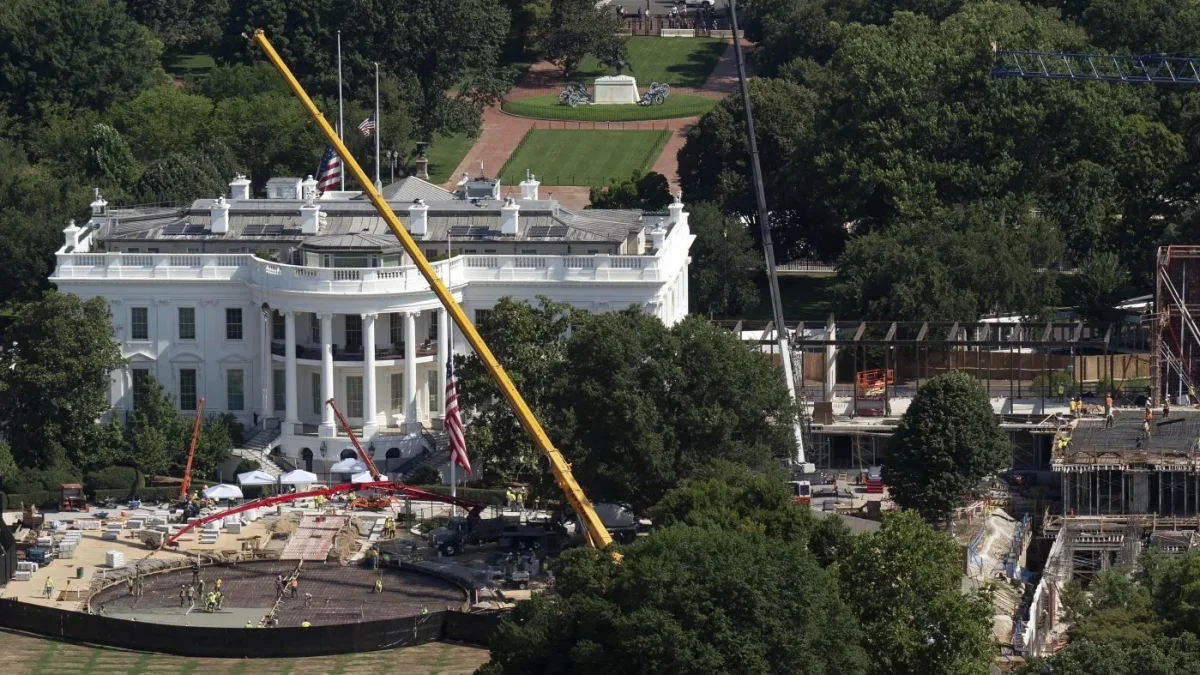
Table of Contents
White House Ballroom Construction Faces Supreme Court Review as Legal Battle Intensifies
Provpnadvice.com – The Trump administration has escalated its legal campaign to complete construction of a new White House ballroom, filing an emergency appeal with the Supreme Court on Friday. The administration is urging the nation’s highest court to immediately permit building activities to resume, arguing that lower court judges improperly halted the project and that national security concerns demand swift action.
Solicitor General D. John Sauer characterized the dispute as one that belongs in the political arena rather than the courtroom. “This Project, like its predecessors, should be a matter for the President and the political process, not construction-by-injunction,” Sauer wrote in the administration’s emergency appeal filed with the justices.
A Months-Long Legal Dispute Reaches New Heights
This latest development brings the protracted legal confrontation over the president’s planned 90,000-square-foot ballroom to the Supreme Court for the first time since Trump ordered the demolition of the East Wing last autumn. The removal of the historic wing cleared the way for the ambitious construction project that has since become a focal point of legal challenges.
The U.S. Court of Appeals for the District of Columbia Circuit delivered a significant setback to the administration last Friday when it voted 2-1 that Congress had not authorized the ballroom’s construction. That ruling effectively blocks all above-ground building activities, though underground work designed to install new security features may continue uninterrupted.
For the administration, the appellate decision represents more than a procedural hurdle. Sauer warned that “forcing the President to come hat-in-hand to Congress so the People’s House is safe gives the Legislature dangerous leverage.” Unless the Supreme Court intervenes before the deadline, the appellate ruling will take full effect within one week, potentially stalling construction for months while additional legal proceedings unfold.
National Security Concerns Drive the Appeal
As construction activities have progressed and paused, Trump has increasingly framed the ballroom as essential for presidential protection. The administration has pointed to recent shootings in the president’s vicinity as evidence that the new facility is necessary to safeguard the sitting commander-in-chief.
The emergency filing adds new detail to the security narrative, describing an incident that reportedly prompted Trump to secretly board an alternate aircraft last month as an assassination attempt. This characterization strengthens the administration’s argument that the ballroom serves critical protective functions beyond its ceremonial purposes.
The administration maintains that the ballroom will be financed entirely through private funds donated by corporations, eliminating the need for additional congressional approval. This financial structure is central to the administration’s legal position that the project falls within presidential authority.
Broader Context of White House Transformation
The ballroom dispute represents just one chapter in a larger effort to reshape the physical landscape of the nation’s capital during Trump’s second term. Several other major real estate initiatives have encountered similar legal obstacles, including plans for a golf course, a commemorative arch, modifications to the Kennedy Center, and alterations to the Reflecting Pool.
The administration’s appeal also challenges the standing of the National Trust for Historic Preservation, the organization that initiated the lawsuit seeking to halt construction. According to the filing, the trust lacks the legal right to intervene in a project taking place at the White House, a position that could have implications for future preservation challenges.
The administration further argues that halting construction now would create unnecessary complications. With building activities already underway for several months, a court-ordered pause would leave an incomplete structure exposed to weather damage and other elements. “No reasonable passerby would prefer the view of that as compared to the finished Project,” Sauer wrote. “Even measured by the sole criterion of passing optics, the injunction welcomes ‘disaster’ without benefit.”
What Happens Next at the Supreme Court
Trump’s appeal automatically heads to Chief Justice John Roberts, who traditionally handles emergency matters originating from Washington, D.C. However, Roberts retains the authority to refer the case to the full court for a collective vote, which represents standard practice for requests submitted by the sitting administration.
The timing of the appeal coincides with heightened activity on the Supreme Court’s emergency docket during the justices’ summer recess. The court is simultaneously considering a separate Trump petition to reinstate an executive order targeting mail-in voting, with potential implications for the upcoming midterm elections.
The administration’s latest filing marks its thirty-sixth Supreme Court emergency appeal since Trump assumed office. This volume of emergency requests has drawn criticism from the president’s opponents, who argue it demonstrates a pattern of acting beyond legal authority. The Justice Department counters that the high number of appeals reflects lower court judges overstepping their bounds to obstruct elements of the president’s agenda.
As the Supreme Court weighs these competing arguments, the ballroom’s fate remains uncertain. The justices’ decision will not only determine whether construction can proceed but may also establish important precedents regarding presidential authority over White House modifications and the role of congressional authorization in such matters.
Related Reading
Frequently Asked Questions
What is Trump asks Supreme Court to allow?
Trump asks Supreme Court to allow is the main topic of this guide. The article explains the context, practical details, and next steps readers should understand.
Why does Trump asks Supreme Court to allow matter?
Trump asks Supreme Court to allow matters because readers are looking for a useful answer, not just a short summary. Good content should match search intent and help them decide what to do next.