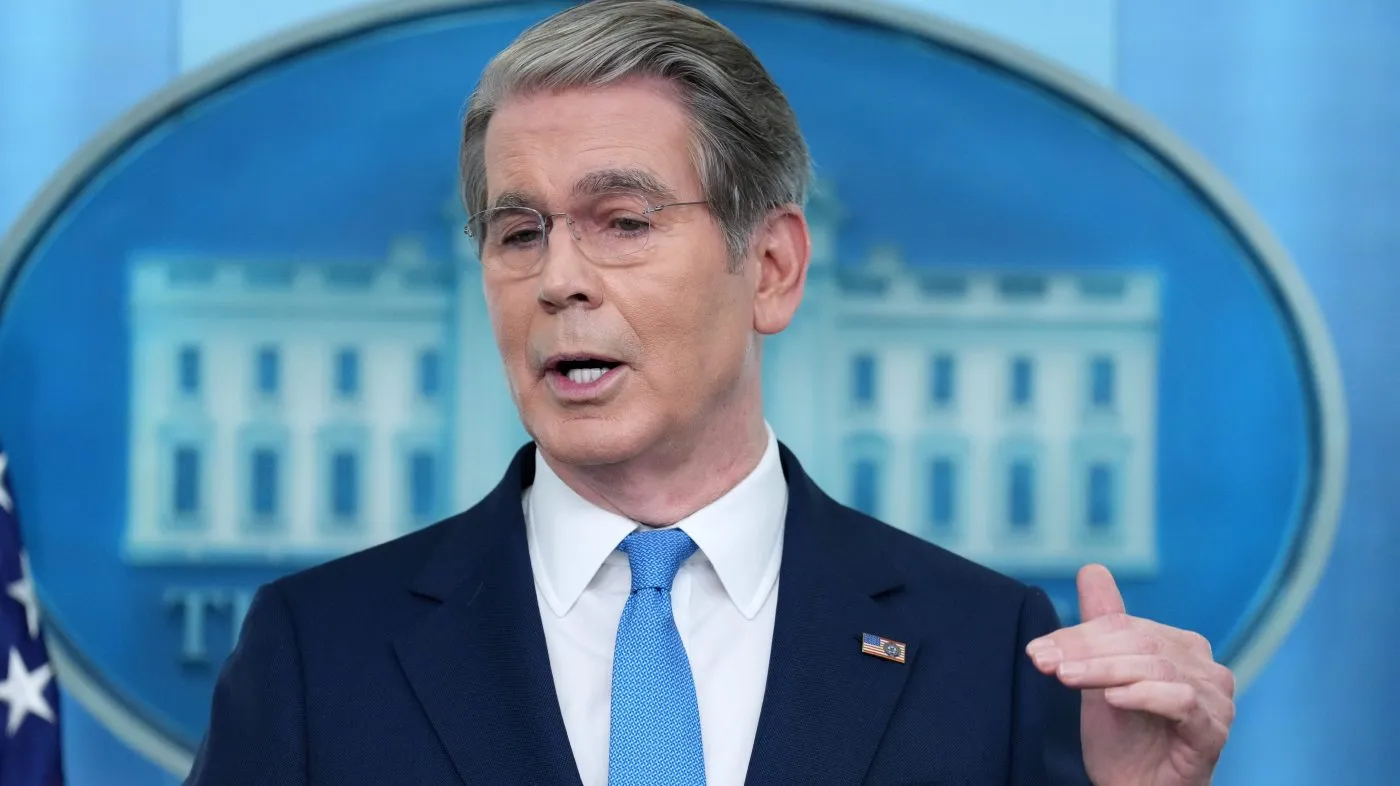
Chevron chief on Iran war impacting energy markets: ‘The situation remains somewhat fragile and uncertain’

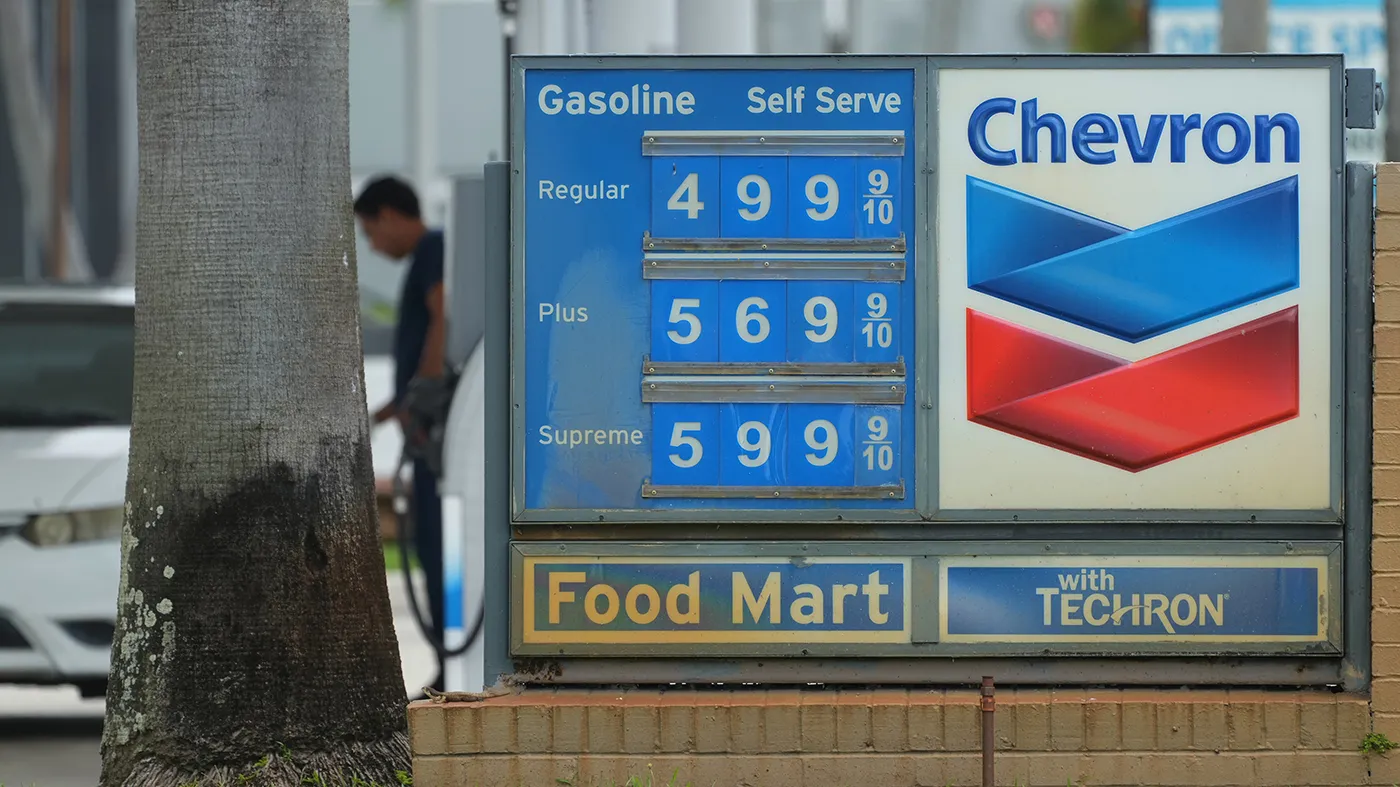
Table of Contents
Energy Markets Face Continued Volatility Amid Geopolitical Tensions
Provpnadvice.com – Global energy markets are navigating a period of heightened instability as the ongoing conflict involving Iran continues to reshape supply dynamics. Mike Wirth, who serves as both chair and chief executive officer of Chevron, has characterized the current landscape as “somewhat fragile and uncertain.” This assessment comes following extensive discussions about how various transit corridors for oil exports are being affected by the escalating situation.
Transit Corridors Under Pressure
In a conversation with Maria Bartiromo for Fox News’s program “Sunday Morning Futures,” which was recorded on Friday and broadcast on Sunday, Wirth highlighted concerns regarding multiple pathways for oil transportation. He specifically pointed to the Strait of Hormuz and the Red Sea as critical chokepoints experiencing disruption. Despite what he described as “pretty strong” global demand for energy, Wirth noted that certain “challenges have expanded” considerably.
The consequences of these disruptions are visible in inventory levels worldwide. Both strategic reserves and commercial stockpiles have experienced significant drawdowns. Wirth emphasized that this depletion of reserves contributes to the overall fragility of the market, leaving it vulnerable to further shocks.
Industry Response and Infrastructure Developments
Chevron’s leadership has expressed confidence in the energy sector’s performance during this challenging period. Wirth acknowledged that the industry has “done well,” particularly noting that the United States has “stepped up to be part of the answer here” regarding oil production capabilities. Looking ahead, he anticipates structural modifications within the energy system.
One significant development under consideration involves constructing a pipeline connecting to the Mediterranean Sea. This infrastructure project represents a strategic response to two major disruptions: Iran’s closure of the Strait of Hormuz, which accounts for approximately 20 percent of global oil supply, and the Houthi blockade affecting the Red Sea, where roughly 5 percent of worldwide oil shipments have been delayed or rerouted.
The proposed pipeline route would originate in Yanbu, Saudi Arabia, traverse through to the Suez Canal in Egypt, and continue to the Mediterranean. From there, vessels could navigate around Africa past the Cape of Good Hope before reaching Asian markets. However, Homayoun Falakshahi, who leads crude oil analysis at Kpler, raised questions about whether the canal can handle sufficient volume quickly enough to satisfy international requirements, as reported by Al Jazeera last month.
Market Impacts and Policy Responses
The consequences of Iran’s closure of the Strait of Hormuz have been felt directly by consumers. Since the conflict commenced on February 28, gasoline prices have climbed substantially. According to AAA data, the national average for fuel in the United States hit $4.10 on Sunday, representing an increase of more than one dollar compared to levels at the war’s outset.
Wirth observed that energy infrastructure has become a target within this conflict, which diminishes the system’s ability to satisfy worldwide consumption. He explained that the speed at which damaged capacity recovers will be crucial in determining when markets achieve a new equilibrium.
On the policy front, the Trump administration is exploring options to reactivate previously closed refineries. A White House representative confirmed to The Hill last week that the St. Croix facility, originally constructed to process Venezuelan crude, is among those being considered. Additionally, three industry leaders informed Politico that discussions have covered potential reopenings ranging from the Virgin Islands to California.
The St. Croix refinery had been closed indefinitely since 2021 following an Environmental Protection Agency directive requiring a 60-day shutdown. The agency determined that the facility’s oil releases and air pollution presented an “imminent risk to public health,” prompting the extended closure that continues to influence current energy policy considerations.
Related Reading
Frequently Asked Questions
What is Chevron chief on Iran war impacting?
Chevron chief on Iran war impacting is the main topic of this guide. The article explains the context, practical details, and next steps readers should understand.
Why does Chevron chief on Iran war impacting matter?
Chevron chief on Iran war impacting matters because readers are looking for a useful answer, not just a short summary. Good content should match search intent and help them decide what to do next.