Cybersecurity expert: ‘Moderate confidence’ Iran attacked Minnesota water facilities

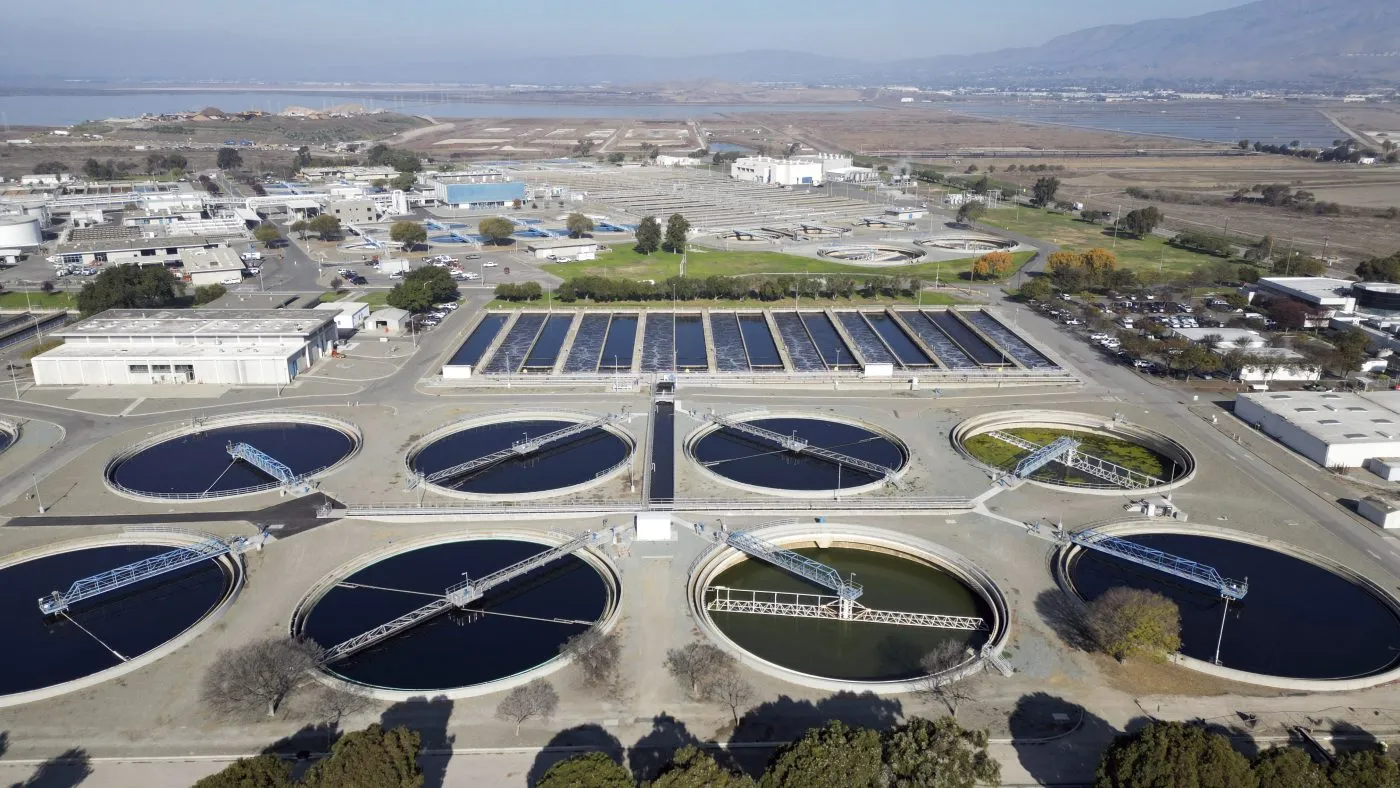
Table of Contents
Cybersecurity Expert Confirms Iran’s Role in Minnesota Water Facility Attacks
Provpnadvice.com – A prominent cybersecurity expert has confirmed that Iran is likely responsible for recent cyberattacks targeting water facilities across Minnesota. Morgan Wright, founder of the National Center for Open and Unsolved Cases, stated Thursday that investigators have “at least moderate confidence” in attributing these attacks to Iranian actors.
The timing of the attacks proved particularly telling. “You know, there was an alert that was put out four days before this describing that they believed Iran was going to launch an attack like this four days later and an attack is launched,” Wright explained during his interview with Blake Burman on NewsNation. This precise correlation between the warning and the actual attacks strengthens the case for Iranian involvement.
Understanding the Technical Attack Vector
Minnesota IT Services reported that the cyberattacks occurred on Sunday and Monday, specifically targeting “programmable logic controllers” (PLC) and “human-machine interfaces,” according to an advisory released Thursday. These critical control systems are essential for managing water treatment and distribution operations throughout the state.
The attacks came shortly after a comprehensive July 22 advisory issued by the Cybersecurity and Infrastructure Security Agency (CISA), the FBI, and other federal agencies. This earlier warning specifically cautioned that Iranian hackers have been increasingly targeting PLC systems. The advisory emphasized that operational technology owners and operators should “restrict direct internet access and ensure secure PLC deployment” to prevent similar incidents.
According to Wright, the attackers were specifically targeting vulnerable components. “They’re targeting one of the most vulnerable things in these plants now,” the cybersecurity expert continued, referring to how the attack targeted PLC systems in the water and wastewater facilities. These controllers serve as the brain of industrial operations, making them prime targets for disruption.
Federal Response and Broader Implications
John Israel, Minnesota’s chief information security officer, confirmed that the state has provided detailed information to federal agencies. These agencies are now “evaluating this activity in the broader national context” to determine if other states may be experiencing similar attacks or are at risk.
Brett Leatherman, assistant director of the FBI’s Cyber Division, emphasized the ongoing nature of this threat in the federal advisory. Iranian actors “continue to target U.S. critical infrastructure” and “disrupt the essential services Americans rely on,” Leatherman stated, highlighting that this is not an isolated incident but part of a sustained campaign.
Wright provided additional context about Iran’s cyber capabilities in the broader geopolitical landscape. In the conflict with Iran, while the U.S. is dominating on land and sea, cyberspace represents one of the areas where Iran “can punch at or above their weight at a near peer level with us.” This assessment suggests that Iran has developed sophisticated cyber capabilities that allow it to compete effectively with the United States in digital domains.
“They’re targeting one of the most vulnerable things in these plants now,” Wright said, referring to how the attack targeted PLC systems in the water and wastewater facilities.
What Residents Should Know
While the attacks targeted critical control systems, officials have indicated that water service has not been disrupted for Minnesota residents. The attacks appear to have been primarily cyber-based, targeting the systems that monitor and control water treatment processes rather than causing physical damage to infrastructure.
Minnesota IT Services continues to monitor the situation closely and has implemented additional security measures to protect against potential follow-up attacks. Residents are encouraged to stay informed through official state channels and report any unusual water service issues to local authorities.
Frequently Asked Questions
What are programmable logic controllers (PLCs)?
PLCs are industrial digital computers used to automate electromechanical processes, such as control of machinery on factory assembly lines. In water facilities, they manage critical functions like water flow, pressure, and treatment chemical dosing.
Are Minnesota water supplies safe to drink?
Yes, officials have confirmed that water supplies remain safe. The attacks targeted control systems rather than the water itself, and no contamination has been reported.
How long did the attacks last?
The attacks occurred over Sunday and Monday, with Minnesota IT Services confirming the timeline in their Thursday advisory.
What should I do if I notice water service issues?
Report any unusual water service problems to your local water utility or call Minnesota IT Services for assistance. The state is actively monitoring for any potential follow-up attacks.
For more information on cybersecurity threats and Minnesota’s response, visit the Minnesota IT Services website or check the CISA advisory page for ongoing updates.