DOJ asks for phone records of NYT reporters, their spouses and a parent

Justice Department Expands Investigation Into New York Times Sources With Family Record Requests
Broader Scope of Subpoenas Targets Journalists’ Personal Communications
Provpnadvice.com – The United States Department of Justice has reportedly expanded its investigation into the New York Times by seeking detailed communications records from the newspaper’s journalists. In an unprecedented move that has drawn significant attention from press freedom advocates, the federal government is now requesting not only the journalists’ own records but also those of certain family members. This development comes as the DOJ works to identify confidential sources that the Times relied upon for its extensive coverage of security concerns related to the Qatari-gifted jet designated for use as Air Force One.
According to reporting published by the Times on Monday, the department has obtained records from third-party communications providers. These records specifically include “calls and messages on the phones of two of the reporters’ spouses” as well as communications belonging to one reporter’s mother. This expansion beyond the journalists themselves represents a significant escalation in the government’s efforts to trace the origins of information that was published in the newspaper’s stories.
Press Freedom Groups Respond With Concern
The initial wave of subpoenas issued earlier this month against Times journalists who covered the jet controversy sparked considerable backlash from organizations dedicated to protecting press freedom. These subpoenas targeted reporters whose stories depended heavily on confidential government sources, creating what many legal experts and media advocates described as an unprecedented challenge to journalistic practices. The Times has publicly committed to challenging the DOJ’s efforts through the court system, signaling that the newspaper intends to mount a vigorous defense of its reporting methods and source protections.
In correspondence with a New York judge last week, the Times characterized the government’s actions as “deeply concerning.” The newspaper’s legal arguments suggested that this situation fits within an “alarming pattern of conduct” that appears designed to suppress independent journalism concerning the Trump administration. This framing positions the current dispute not merely as a routine legal matter but as part of a broader trend in government-media relations.
DOJ Defends Its Actions as Lawful and Necessary
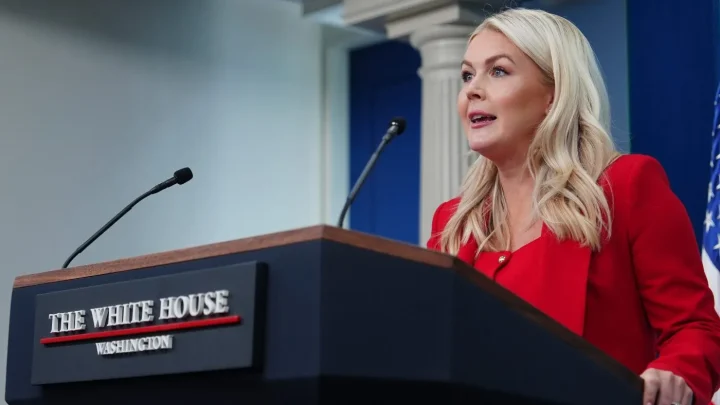
On Monday, the Department of Justice issued a statement defending its investigative approach. The department asserted that “any subpoena issued by the Department of Justice is done so in full compliance with federal law and internal Department policy.” This assertion aims to reassure the public and the press that the government’s actions follow established legal procedures rather than representing arbitrary overreach.
Furthermore, in a statement provided to The Hill last week, the department emphasized that “reporters are not the targets, those leaking classified information are.” This distinction is crucial to the DOJ’s legal strategy, as it attempts to separate the journalists from the individuals who allegedly disclosed sensitive government information. A department spokesperson elaborated on this position, stating: “We recognize there may always be natural tension there, but we are not going to ignore the law and stop investigating the people who work in the administration and think it’s OK to leak classified information impacting national security.”
Context of Broader Legal Disputes
This investigation exists alongside other significant legal challenges involving the Times and the Trump administration. The newspaper is currently engaged in separate litigation against the president concerning its coverage of his most recent campaign for the White House. Trump contends that the Times’ reporting is defamatory, while the newspaper’s legal team maintains that the lawsuit lacks merit. This ongoing dispute adds another layer of complexity to the relationship between the former president and the news organization.
Trump has maintained a long-standing critical stance toward the Times throughout his two terms in the White House. He has frequently attacked the newspaper publicly, often naming specific reporters and characterizing the organization as “failing” and “fake.” These historical tensions provide additional context for understanding why the current investigation into the Times’ sources has generated such significant attention from media advocates and legal experts alike.