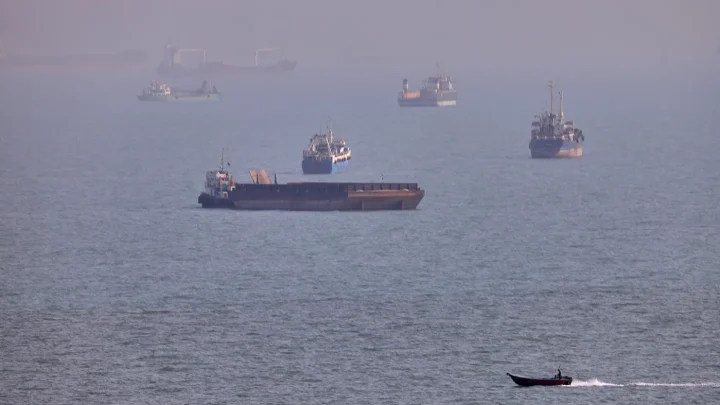
Houthis announce blockade on Saudi Arabia, ramping up Red Sea tensions

Houthis Announce Blockade on Saudi Arabia Amid Rising Red Sea Tensions
Provpnadvice.com – The Houthis announce blockade on Saudi Arabia in a significant development that could reshape maritime trade routes in the Middle East. The Iran-backed militant group based in Yemen made the announcement on Monday, signaling a major escalation in regional hostilities. This move comes as global energy markets already face uncertainty from ongoing conflicts, with the Red Sea emerging as a critical chokepoint for international commerce.
According to a statement relayed to Reuters, the Yemeni militia declared a “maritime embargo against the criminal Saudi enemy, based on the equation of ‘an eye for an eye,'” effective immediately. While specific details remain unclear, the announcement suggests a comprehensive approach to restricting Saudi maritime access. The timing of this declaration is particularly notable, given recent developments in broader regional conflicts.
Strategic Importance of the Red Sea Route
The geographic significance of this blockade cannot be overstated. The Houthis control territory in Yemen adjacent to the Bab al-Mandeb Strait, which serves as the gateway to the Red Sea’s southern entrance. Closing this vital waterway would impact approximately 7 percent of the world’s oil supply, according to Reuters analysis. Most Saudi oil exports would find themselves unable to reach international markets through traditional routes.
Saudi Arabia has historically diverted 70 percent of its energy exports through the Red Sea corridor. Any sustained disruption of this transit path could exacerbate the energy crisis already intensified by the U.S.-Israeli conflict involving Iran. The strait has increasingly served as an alternative route for shipments unable to navigate through the Strait of Hormuz, which Iran effectively shut down following renewed hostilities with the United States last week.
Iran called on the Houthis to block the Red Sea if the U.S. carries out strikes on the Iranian energy infrastructure as the Iran war drags on.
Houthi military spokesperson Yahya Saree provided additional context during a televised address, framing the blockade as a response to what he described as a “continued Saudi siege” on Yemen. He emphasized that militants were prepared to meet any Saudi retaliation with “a total and harsh escalation,” according to The New York Times. This declaration underscores the group’s willingness to engage in prolonged confrontation.
Market reactions arrived swiftly following the announcement. Insurance costs for shipping goods rose Monday, with industry sources telling Reuters that premiums increased to approximately 0.75 percent of ship value, up from 0.3 percent on Friday. While this percentage increase may appear modest, the financial implications are substantial—extra costs for a seven-day voyage could reach hundreds of thousands of dollars.
The broader economic implications extend beyond immediate shipping concerns. Closing another major commerce route will intensify pressure on the global economy, particularly as on-and-off closures of the Strait of Hormuz have previously caused gas prices to soar dramatically. The U.S. national average had lowered in recent weeks following an interim deal between the United States and Iran aimed at ending the conflict, with conditions including the reopening of the Strait of Hormuz.
However, the latest closure has reversed this positive trend. According to AAA, the U.S. national average price has climbed back above $4 per gallon as of Monday. This price increase reflects not only the immediate impact of the blockade but also growing concerns about supply chain stability in the region.
The Houthis have consistently positioned themselves as defenders of regional interests. The Iran war prompted the group to warn the United States and its Gulf allies against escalating military strikes, threatening to enter the conflict directly if provoked. Their statements have called for diplomatic resolution and “a cessation of aggression against Muslim countries in Palestine, Lebanon, Iran and Iraq, and the lifting of the unjust siege on Yemen.”
Historical context adds depth to this latest development. The Houthis previously attacked commercial ships in the Red Sea following the start of the Israel-Hamas War in October 2023. According to the U.S. Maritime Administration, the group launched more than 100 attacks over the subsequent two years, demonstrating both their capability and determination to disrupt maritime traffic in the region.