Criminal probe of E. Jean Carroll creates major headache for Senate GOP

Criminal probe of E. Jean Carroll creates major headache for Senate GOP
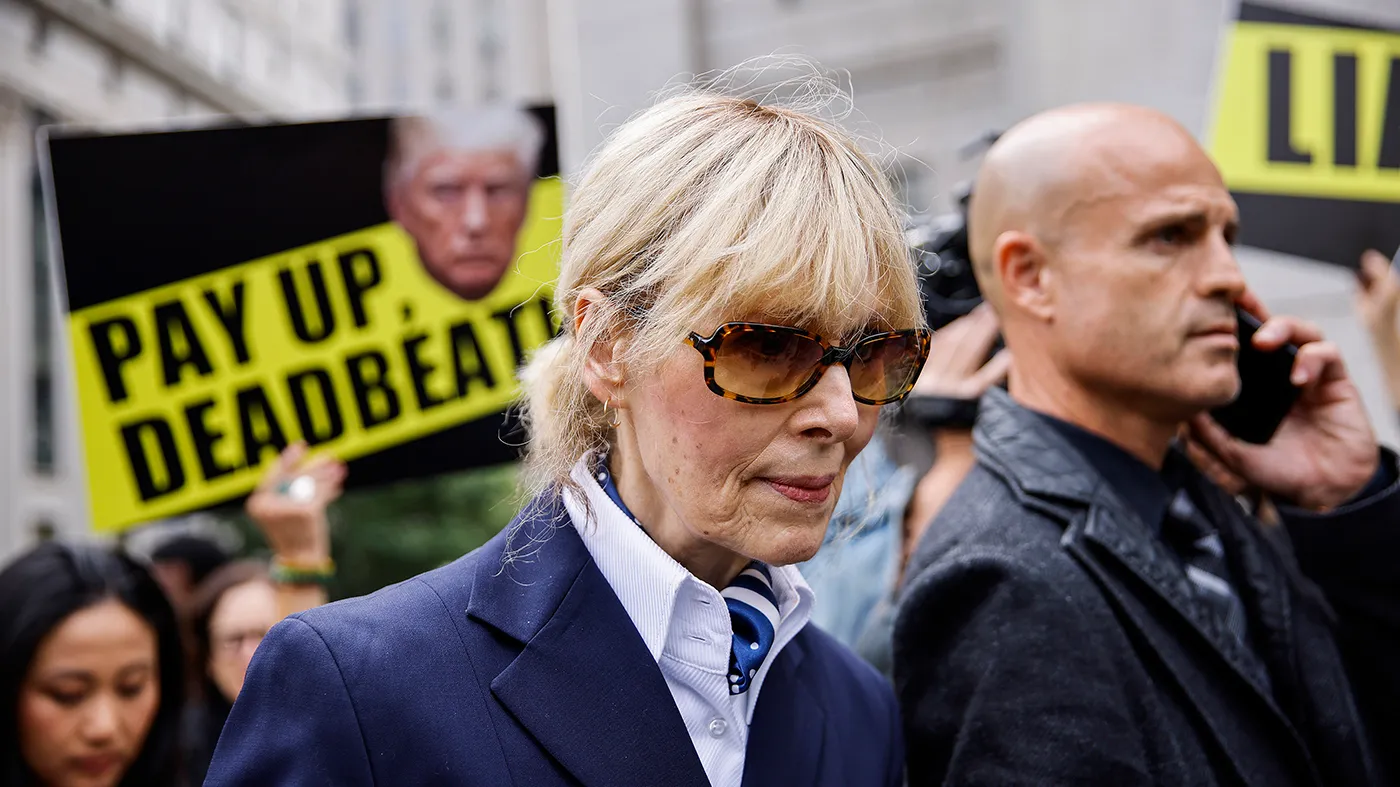
Provpnadvice.com – Reports of a criminal investigation launched by the Department of Justice against E. Jean Carroll—whose 2024 lawsuit against President Trump resulted in an $83 million verdict—have raised tensions within the Senate Republican caucus. The probe, which is expected to be debated on the Senate floor next month, forces GOP senators to confront the growing scrutiny of their party’s alignment with the administration’s legal tactics. Critics argue that the DOJ’s actions against Carroll are emblematic of a broader strategy to target Trump’s political opponents, creating a potential rift between the president and his staunchest allies in the Senate.
The Trump administration’s pattern of prosecution
News of the DOJ’s decision to investigate Carroll follows a string of high-profile cases targeting the president’s critics, setting the stage for Democrats to challenge the Republicans on the Senate floor when budget reconciliation legislation is reintroduced in June. This development highlights the political stakes of the upcoming debates, as the Senate is poised to take a decisive vote on whether to endorse the Justice Department’s aggressive approach to prosecuting Trump’s adversaries.
“Ordinarily I would hesitate to prejudge any DOJ criminal investigation, but this is now after a well-established pattern of the Justice Department launching specious criminal investigations and indictments against the president’s critics. I think one could only assume that this investigation fits within this pattern, that this investigation reflects a Justice Department eager to punish people who have had the temerity to criticize the president or in any other way challenge his authority,” said Gregg Nunziata.
Nunziata, a former Senate Republican staffer now serving as executive director of the Society for the Rule of Law, emphasized that the DOJ’s actions against Carroll represent a coordinated effort to weaponize federal prosecutors. He urged Republican senators to resist the pressure to accept these investigations as routine, arguing that the process has become a tool for political retaliation. “What the president is doing with the Justice Department in these prosecutions is completely indefensible, and his strongest defenders tend to say that the president is just doing to Democrats what Democrats did to him,” Nunziata added, pointing out the hypocrisy in defending such actions.
The role of the U.S. attorney in the probe
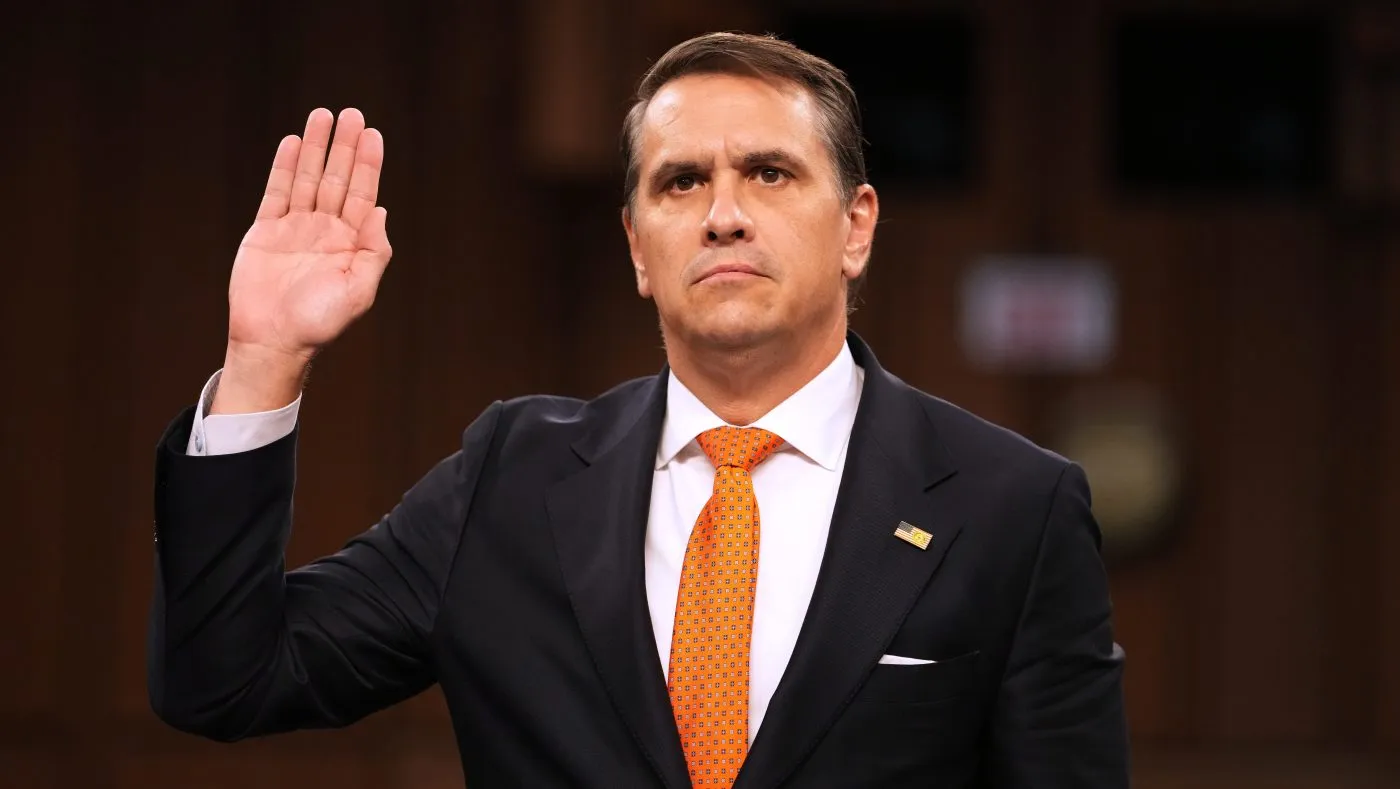
The New York Times revealed that the investigation was initiated by Andrew S. Boutros, the U.S. attorney for the Northern District of Illinois, who was appointed by Trump. This connection underscores the administration’s influence over the legal process, as Boutros has been tasked with overseeing cases that align with Trump’s interests. His involvement has drawn attention to the potential for political bias in the DOJ’s selection of targets, with some observers suggesting that the investigation is part of a larger campaign to silence critics of the president.
Senate Democrats are likely to leverage this situation to push for amendments during the reconciliation process, aiming to force Republicans into a position where they must either support or oppose the DOJ’s actions. The reconciliation bill’s structure allows for unlimited amendment votes, a tactic that could be used to highlight the political motivations behind the investigation. While the exact amendments remain unclear, the strategy is to frame the probe as an example of the Justice Department’s partisan agenda.
Republican resistance and the Byrd Rule
Some former Senate GOP aides warn that crafting amendments to challenge the DOJ’s approach could be complicated by the Byrd Rule, which restricts the types of provisions that can be included in budget reconciliation legislation. This rule, designed to streamline the legislative process, may limit the scope of Republican rebuttals, making it harder to effectively counter the Democrats’ arguments. However, they believe that if a sufficient number of Republicans align with the party’s stance, the vote could become a symbolic rebuke of Trump’s influence over the legal system.
Gregg Nunziata, who previously served as Republican counsel for the Senate Judiciary Committee and the Senate Republican Policy Committee, has called for a more assertive response from GOP senators. He argued that the investigation of Carroll is not only politically motivated but also a clear violation of the DOJ’s impartiality. “The idea that a successful plaintiff in a civil suit against the president would be a target for criminal investigation is remarkable,” Nunziata said, underscoring the irony of the situation.
Democratic criticism of the DOJ’s actions
Democratic lawmakers have seized on the probe as evidence of the Trump administration’s relentless pursuit of political enemies. Senator Peter Welch (D-Vt.), a member of the Senate Judiciary Committee, stated in a recent statement that the DOJ’s focus on revenge rather than justice is evident. “This DOJ works on behalf of one man and one man alone—President Trump,” Welch said, criticizing the agency’s apparent lack of independence.
Similarly, Senator Adam Schiff (D-Calif.) condemned the investigation, noting its impact on Carroll, a 82-year-old woman who had successfully sued Trump for sexual assault. “First, Trump weaponized the DOJ to target his political enemies. Now, perversely, he’s targeting E. Jean Carroll, the woman who credibly and successfully sued him for sexual assault. He’s using the power of the DOJ to go after his own victims,” Schiff said in a social media statement. “It’s a vile attack on the rule of law and a disgusting insult to victims everywhere.”
The investigation of Carroll is not the first instance of the DOJ’s aggressive tactics against Trump’s critics. Earlier this year, the department launched a probe into Schiff, a prominent Trump opponent, for alleged mortgage fraud. This parallel has intensified the debate over whether the DOJ is acting as an independent branch of government or as an extension of the administration’s political goals. As the Senate prepares to reconvene, the pressure on Republicans to justify their support for the DOJ’s actions is mounting, with the potential for a major ideological showdown looming.
With the budget reconciliation bill set to return to the Senate floor, the timing of the Carroll investigation has been strategically chosen to amplify Democratic arguments about the weaponization of federal prosecutors. While some GOP senators may seek to distance themselves from the probe, the majority are expected to defend the DOJ’s authority, even as they face mounting pressure to acknowledge the political undertones of the case. The outcome of these debates could shape the future of how the Senate views the role of the Justice Department in the wake of the Trump presidency.
As the Senate moves toward its next session, the investigation of E. Jean Carroll has become a flashpoint for the broader conflict between the executive and legislative branches. The question remains whether the GOP will stand by the president’s legal maneuvers or take a stand against what they perceive as an unfair use of the justice system. The coming weeks will be critical in determining how this issue is resolved, with implications for the party’s reputation and the integrity of the federal prosecution process.