Key House committee advances framework for reconciliation 3.0

House Budget Panel Moves Forward with Third Reconciliation Framework
Provpnadvice.com – Republican lawmakers took a significant step toward completing their legislative agenda on Thursday when the House Budget Committee approved a preliminary framework for what is being called reconciliation 3.0. This development represents a crucial milestone for GOP leadership as they work to finalize the measure before Congress departs for an extended August recess that will last approximately one month.
Committee Vote and Notable Absences
The committee reached its decision through a partisan vote of 20-14 in favor of advancing the budget resolution. One Republican representative, Chip Roy from Texas, chose not to participate in the vote despite being present for the proceedings. Roy had previously voiced reservations regarding proposed spending levels within the framework. He explained to colleagues that he departed the Capitol earlier in the day to address significant flooding affecting his Texas district, which required his immediate attention.
Financial Breakdown of the Framework
The budget framework, which was first unveiled on Wednesday, allocates substantial funding across several priority areas. Defense and intelligence operations will receive $73 billion under the proposal. Agriculture programs are slated for $12 billion in assistance. Additionally, the framework establishes a $10 billion fund designed to support voting restriction measures that have received backing from President Trump.
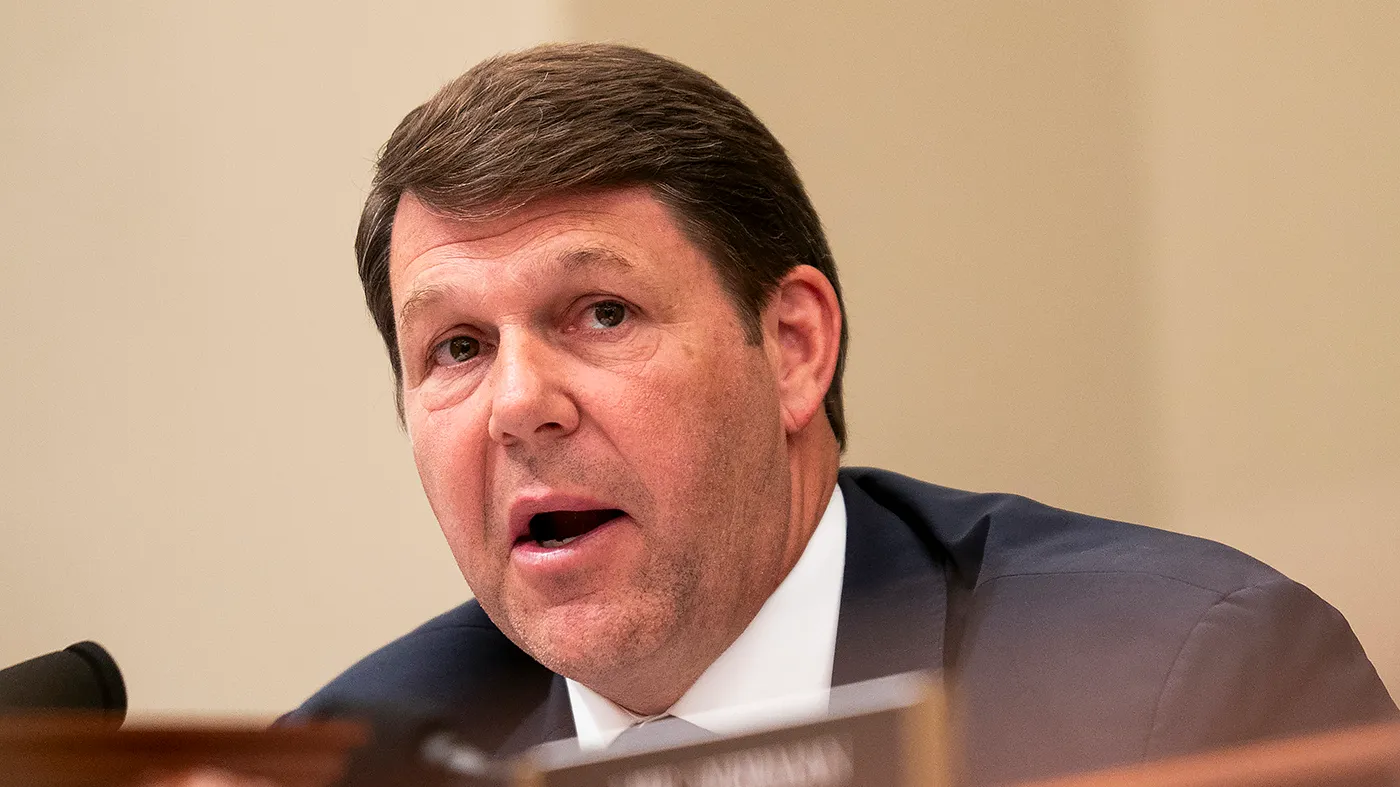
“We are going to use reconciliation to make a run at doing what we think will save this country for our children’s future and for the remainder of this century,” House Budget Committee Chair Jodey Arrington (R-Texas) stated during his opening remarks at the committee hearing.
Anticipated Challenges Ahead
Despite the committee’s approval, the package may encounter obstacles when it reaches the House floor for consideration. The current version represents a significant reduction from what some Republican members had originally hoped to achieve. Furthermore, the framework lacks “pay-fors” or corresponding spending reductions for the $95 billion in proposed expenditures, a gap that has drawn criticism from conservative fiscal hawks within the party.
“There is no will to spend less or honestly pay for massive spending. Deficits, Debt, and Debasement all the way to the crash site. Nothing stops this train. Make a plan,” Rep. Warren Davidson (R-Ohio) expressed on the social media platform X.
Democratic Opposition and Criticisms
Democratic members of the committee voiced strong opposition during their deliberations, contending that the proposed budget resolution would exacerbate the federal deficit rather than address it. They also argued that the framework fails to meaningfully improve conditions for everyday Americans.
“The top issue today is affordability. You might think the majority would want to spend time in a reconciliation bill addressing the number one issue on voters’ minds,” Rep. Brendan Boyle (D-Pa.), the ranking member of the House Budget Committee, remarked. “Well, I can tell you 47 pages in their bill, 6560 words, and not one word on bringing down costs for the American people.”
Looking Ahead to the Floor Vote
House Republican leadership is targeting next week for a floor vote on the resolution. However, Speaker Mike Johnson from Louisiana faces uncertainty regarding whether conservative fiscal hawks will provide sufficient support. These lawmakers have been vocal critics of the growing federal deficit and have expressed skepticism about the current framework.
Rep. Rich McCormick from Georgia told reporters on Thursday that the absence of offsetting measures in the bill would give him pause. “Obviously, I’m a fiscal hawk, but I have to see what the math is because I haven’t seen it yet,” McCormick explained, indicating that he remains open to supporting the measure pending further review of the financial details.
For the blueprint to move forward, it must secure approval from both legislative chambers. Once passed, the framework will serve as an instructional guide for various committees as they draft the final reconciliation legislation that will ultimately be sent to the president for signature.