Alaska investigating Senate candidate with same name as incumbent

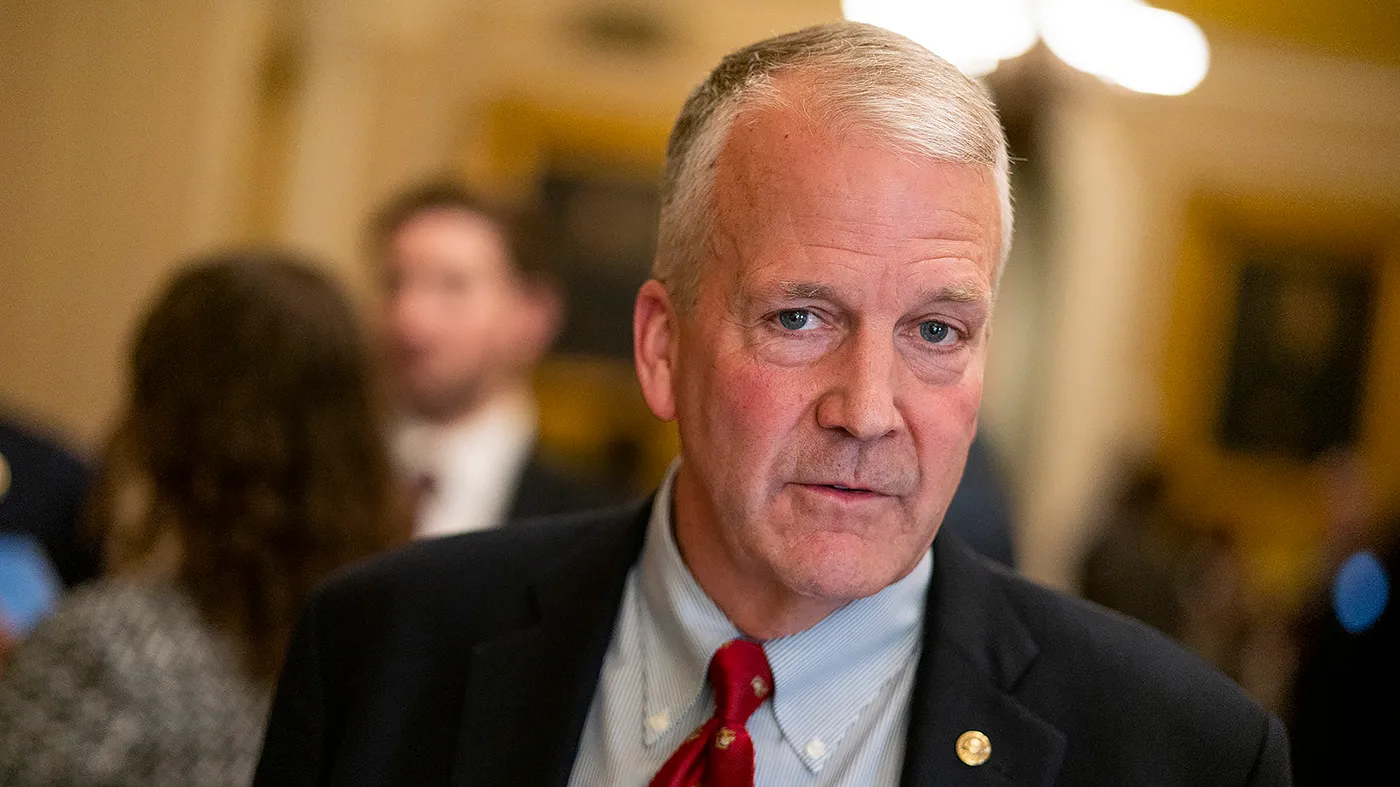
Alaska Senate Race Sparks Name Confusion Investigation
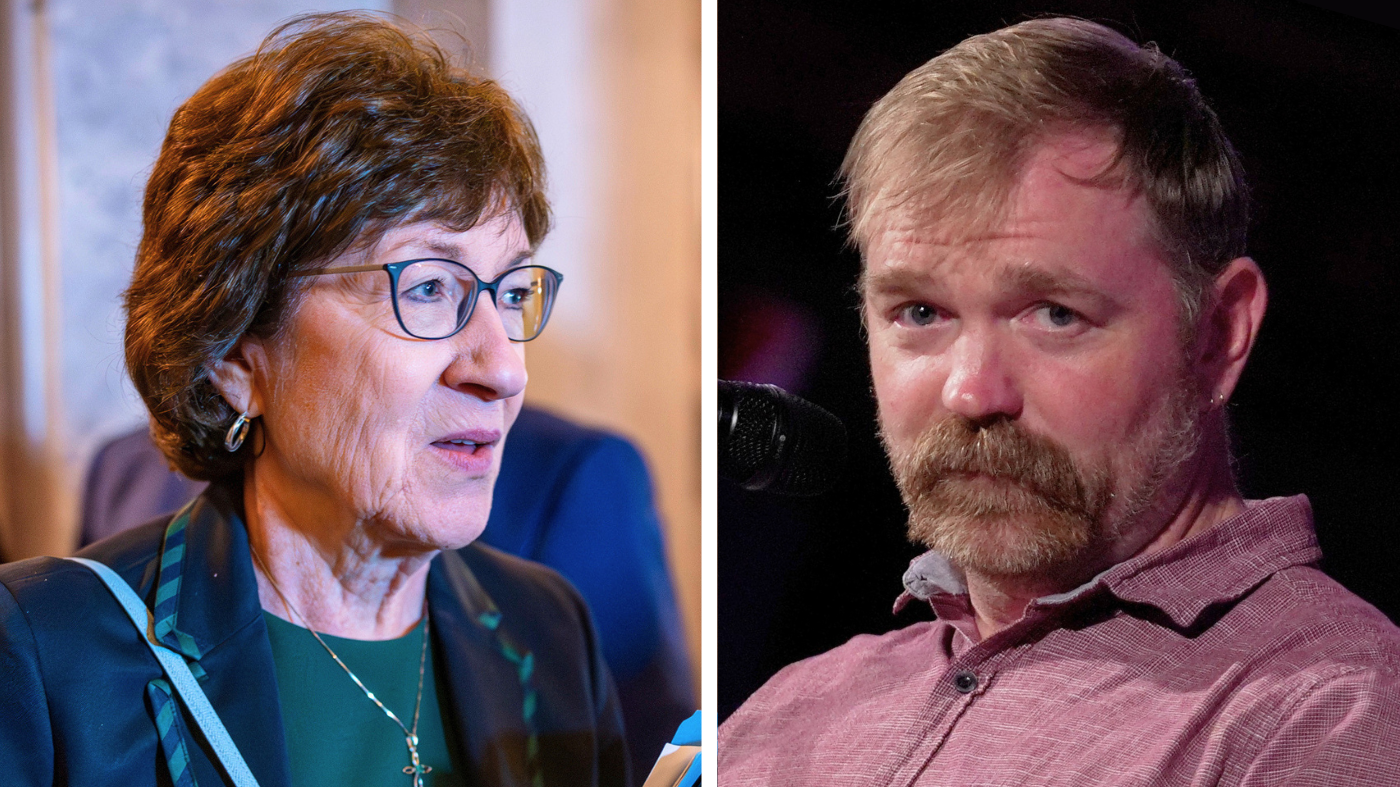
Provpnadvice.com – Alaska’s election division is examining a Senate candidate whose name mirrors that of the sitting senator, according to recent developments. The probe centers on Daniel J. Sullivan Jr., a Republican challenger, who shares the same name as incumbent Sen. Dan Sullivan (R-Alaska). The investigation was initiated following “credible allegations” that Sullivan Jr. may have entered the race to mislead voters, a claim that has stirred controversy in the state’s political landscape.
Examining the Candidate’s Intent
According to a June 8 letter from Lieutenant Gov. Nancy Dahlstrom (R), who leads Alaska’s elections, her office is assessing whether Sullivan Jr.’s candidacy was filed with genuine intent or as a deliberate strategy to cause confusion. Dahlstrom’s concerns are rooted in the possibility that the candidate’s use of the name “Dan Sullivan” could undermine the electoral process.
“This Division must determine whether your declaration of candidacy was properly filed with good-faith intention to serve,” she wrote. “I’m troubled by the allegation that you filed for office in coordination with another campaign with the intention of confusing Alaskan voters in a way that will benefit one candidate over another.”
The letter highlights the potential for voter deception, suggesting that Sullivan Jr.’s campaign could be exploiting the shared name to siphon support from the incumbent. If the claims hold, the allegations could challenge the integrity of the ballot, as voters might struggle to distinguish between the two candidates.
Requests for Clarification
Dahlstrom has asked Sullivan Jr. to provide sworn affidavits addressing specific questions. These include confirming his prior ties to the Republican Party, explaining his consistent use of the nickname “Dan,” and detailing the creation of his campaign’s website and logo. The goal is to uncover whether the name choice was intentional or a coincidence.
Sullivan Jr., a former U.S. Forest Service employee and elementary school teacher from Petersburg, officially launched his bid against Sen. Sullivan last month. His campaign has not yet provided a clear explanation for the name similarity, though the political maneuvering has already drawn attention from both parties.
Coordinated Effort Allegations
Republicans have claimed that Sullivan Jr.’s candidacy is part of a larger strategy to split votes. The National Republican Senatorial Committee (NRSC) alleges that Sullivan Jr. worked in tandem with Democratic operatives to manipulate the electorate. The NRSC’s letter, obtained by Politico, suggests that the challenger coordinated with Sen. Sullivan’s Democratic rival, former Rep. Mary Peltola (D), to “proactively confuse Alaskan voters and rig the voting system.”
The committee argues that the name duplication could be a tool to benefit Peltola, who is also vying for the Senate seat. This accusation implies that the NRSC believes the challenge is not just a personal move but a calculated effort to destabilize the Republican primary.
Background on the Incumbent
Incumbent Sen. Dan Sullivan, a long-standing Republican figure, has faced scrutiny over his political standing. His opponent, Sullivan Jr., has positioned himself as a fresh face in the race, despite the name overlap. However, the similarities have raised questions about the challenger’s ability to differentiate himself in the eyes of voters.
Sen. Sullivan, in a recent statement, emphasized the importance of clear identification for candidates. “Everybody in Alaska knows I’m Dan Sullivan-R. So he’s trying to do that. Why?” he asked reporters, directly addressing Sullivan Jr. “He’s not an R. He’s purposely trying to trick my constituents to rig the election for Peltola.” This remark underscores the incumbent’s belief that the name choice is a deliberate tactic.
Responses from Campaigns
Sullivan Jr. has dismissed the allegations, stating in an interview with the Associated Press that his name was never meant to confuse voters. He argued that he has been considering a Senate run for over a decade and has had no communication with Peltola’s campaign. “I have every right to run for whatever office I’m qualified for, and I’m qualified for this office,” he asserted.
In contrast, the Peltola campaign has also denied involvement in the situation. A spokesman, Harry Child, told the Associated Press that the campaign “has no involvement in either Sullivan campaign.” Additionally, Jenny-Marie Stryker, executive director of the Alaska Democratic Party, confirmed that her organization is not linked to the name duplication controversy.
Implications for the Election
The investigation has intensified as the Aug. 18 primary approaches, with the potential to affect voter turnout and ballot accuracy. Dahlstrom’s office is under pressure to resolve the issue quickly, as the confusion could impact the legitimacy of the race. The allegations highlight the growing trend of using similar names to create strategic advantages in elections, a tactic that has drawn criticism for its effect on transparency.
Supporters of Sullivan Jr. argue that the name is a harmless coincidence, while critics claim it is a calculated move to siphon votes. The NRSC’s involvement adds weight to the accusations, as the committee has been actively pushing to challenge the challenger’s eligibility. This dynamic has sparked debates about the role of identity in political campaigns and whether name similarity should be a grounds for disqualification.
Next Steps and Legal Threats
Sen. Sullivan has not ruled out legal action, threatening to sue if the investigation does not yield clear results. The lawsuit would aim to clarify whether the name duplication constitutes an unfair advantage, potentially leading to a recount or ballot adjustments. Meanwhile, Sullivan Jr. remains focused on his campaign, with his team defending the decision to use the shared name.
The situation underscores the competitive nature of Alaska’s Senate race, where even minor details can spark major controversies. As the primary date draws near, the outcome of the investigation could influence the final standings, with the shared name becoming a pivotal point of contention. The process will be closely watched by voters and analysts alike, who are eager to see how the state’s election officials handle the challenge of ensuring clarity in a high-stakes contest.
Broader Context and Public Reaction
Alaska’s political environment has seen a surge in name-based strategies, reflecting the state’s unique electoral dynamics. The presence of two candidates with identical names has led to discussions about the importance of clear branding in campaigns. Some voters have expressed confusion, with reports indicating that they are unsure which Sullivan to support.
Despite the allegations, Sullivan Jr. maintains that his name was chosen to reflect his personal connection to the state’s political history. The campaign has emphasized his qualifications and experience, aiming to reassure voters of his legitimacy. However, the controversy has also highlighted the risks of using a name that could be mistaken for an incumbent, especially in a closely contested race.
As the investigation unfolds, the focus will remain on whether Sullivan Jr.’s actions were intentional or accidental. The resolution of this issue could set a precedent for future elections, demonstrating how shared identities might be leveraged or scrutinized. The process has already created a ripple effect, with both candidates and their supporters navigating the challenges of name confusion in a state known for its tight political races.