The ticks you may find in your state, and the diseases they can carry

Navigating Tick-Borne Illnesses Across America: A State-by-State Guide
Provpnadvice.com – Tick-related hospital admissions have climbed to unprecedented levels this year, marking one of the most challenging periods in recent memory for public health officials. However, the specific threats you face depend heavily on your geographic location. Understanding which pests inhabit your region and what ailments they transmit can help you stay protected throughout the warmer months.
Lyme Disease: The Most Recognized Threat
Lyme disease remains the most widely known tick-borne illness, and for good reason. The Centers for Disease Control and Prevention documented over 89,000 confirmed cases during 2023 alone. Yet researchers believe the true figure could reach as high as 476,000 when accounting for underreported instances. It is worth noting that some individuals included in those higher projections received treatment for suspected Lyme disease without a definitive diagnosis.
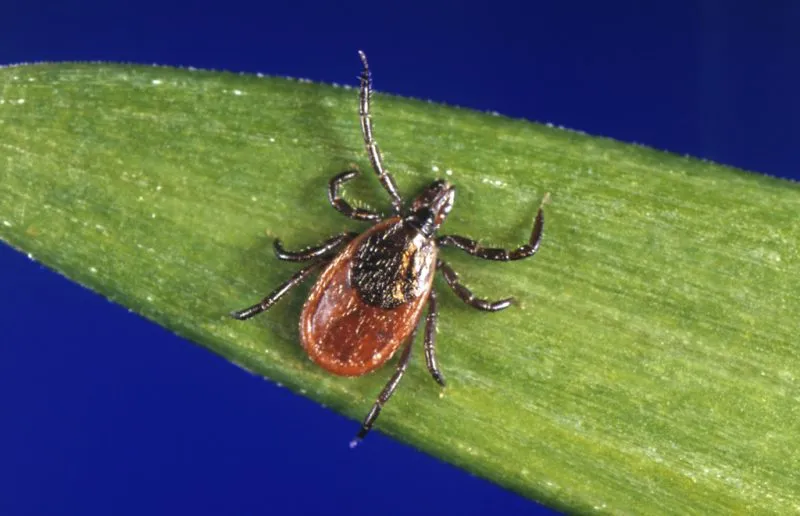
While nearly every state has documented at least one occurrence, the highest concentrations appear in Wisconsin, Minnesota, and across New England. The primary vectors include the blacklegged tick, frequently called the deer tick, alongside the Western blacklegged variety.
Multiple Diseases from Blacklegged Vectors
Blacklegged ticks serve as carriers for several distinct illnesses beyond Lyme disease. These include Powassan virus, anaplasmosis, babesiosis, and hard tick relapsing fever. Anaplasmosis, triggered by the bacterium A. phagocytophilum, can prove fatal if medical intervention is delayed. Meanwhile, babesiosis typically produces influenza-like manifestations in infected individuals. Although blacklegged ticks inhabit numerous regions, cases of both conditions cluster primarily in the Northeast and upper Midwest areas.
Powassan virus continues gaining ground across the nation. Recent surveillance has identified cases in Connecticut, Florida, Georgia, Illinois, Indiana, Maine, Maryland, Massachusetts, Minnesota, New Hampshire, New York, North Carolina, North Dakota, New Jersey, Ohio, Pennsylvania, Rhode Island, Vermont, Virginia, and Wisconsin. Three states—Minnesota, Wisconsin, and Massachusetts—have each recorded more than 80 cumulative cases.
Alpha-Gal Syndrome and the Lone Star Tick
Alpha-gal syndrome has attracted considerable attention recently due to its ability to trigger red meat allergies and sensitivity to other animal-derived products. The lone star tick, which transmits this condition, has steadily broadened its territory. According to research published in 2023, every state within the continental United States has experienced at least one suspected case of alpha-gal syndrome.
Beyond alpha-gal syndrome, the lone star tick also carries Heartland virus. Symptoms encompass fever, headache, nausea, muscle and joint discomfort, and diarrhea. Though not classified as a nationally notifiable condition, Heartland virus cases have emerged from Nebraska and Oklahoma eastward to Virginia and North Carolina, plus New York, Pennsylvania, and Georgia. Additionally, Bourbon virus—a rare illness first identified in Bourbon County, Kansas, in 2014—is thought to originate from the lone star tick. The CDC reports cases across the Midwest, East Coast, and Southern regions.
Ehrlichiosis and Rocky Mountain Spotted Fever
Both the lone star tick and blacklegged tick can transmit ehrlichiosis, a condition that may worsen significantly without proper treatment. Initial symptoms typically emerge within five days of infection and include fever, chills, headache, muscle aches, nausea, vomiting, diarrhea, appetite loss, confusion, and frequently a rash in children.
Rocky Mountain spotted fever differs from many other tick-borne illnesses because it can be transmitted by three distinct species: the American dog tick, the brown dog tick, and the Rocky Mountain wood tick. Since every continental state hosts at least one of these vectors—and brown dog ticks have even been discovered in Hawaii—Rocky Mountain spotted fever occurs throughout the entire country.
Regional and Less Common Conditions
Tularemia appears in all fifty states. When transmitted through ticks, it generally produces skin ulcers and lymph gland swelling. The CDC notes that tularemia can also spread via deer flies, contaminated water sources, contact with infected animals, laboratory exposure, and inhalation of contaminated aerosols or dust from agricultural and landscaping activities.
Two regional tick species carry their own unique illnesses. The Gulf Coast tick spreads Rickettsia parkeri rickettsiosis, while the Pacific Coast tick transmits Pacific Coast tick fever. Both conditions are generally milder than Rocky Mountain spotted fever.
Despite its name, Colorado tick fever—carried by the Rocky Mountain wood tick—has been identified in multiple Western states. CDC data through 2022 reveals locally acquired cases in Oregon, Idaho, Montana, Wyoming, Utah, and Colorado.
If you wish to escape tick encounters entirely, consider moving to Alaska. That state contains no known naturally occurring tick populations.