Former NATO ambassador: Trump ‘breaking the bond of trust’ with Greenland remarks

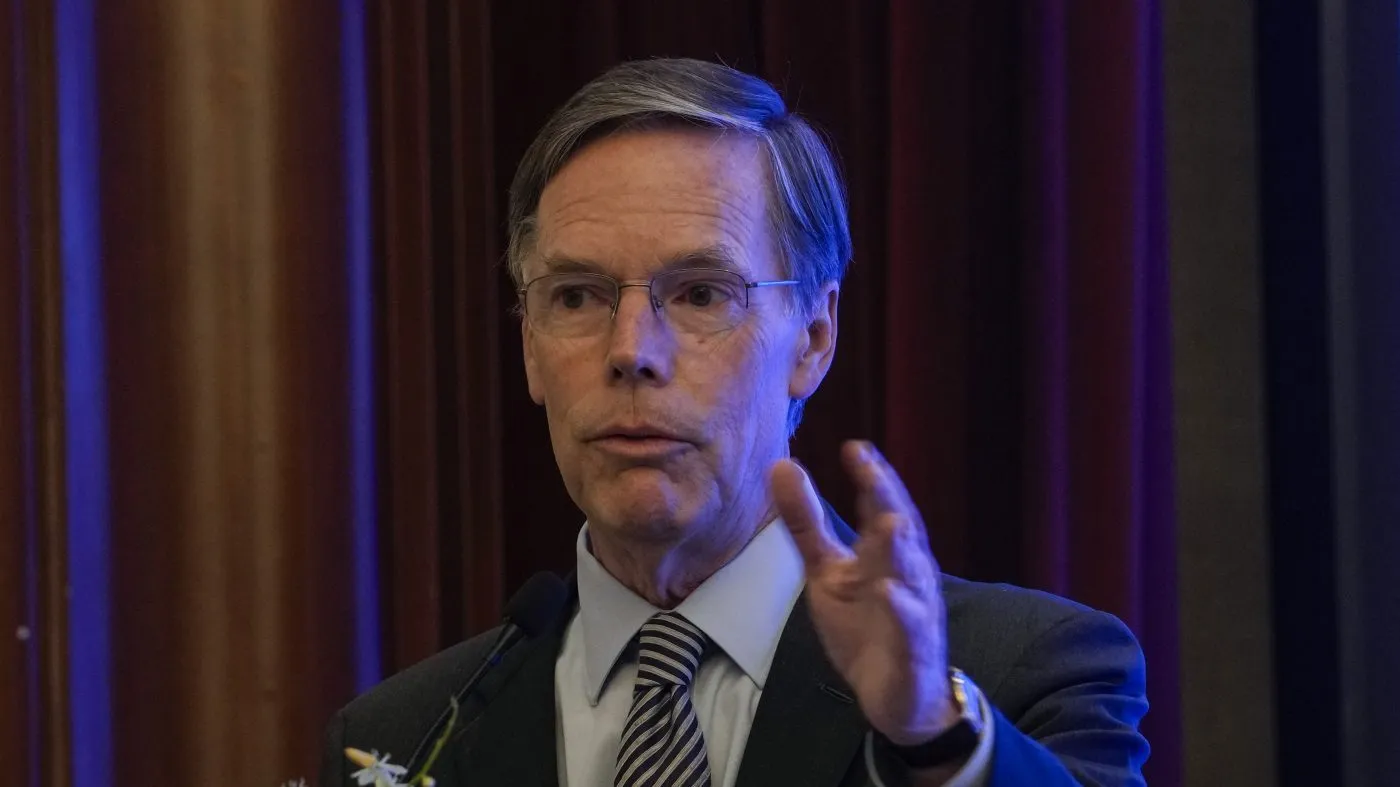
Former NATO Ambassador Warns Trump on Greenland
Trust Under Pressure
Provpnadvice.com – Former NATO ambassador Nicholas Burns has raised concerns that President Donald Trump’s repeated comments about Greenland are straining relationships within the alliance. During a Wednesday interview, Burns noted that the president’s ongoing push for American control of the territory is creating tension among member nations. The former diplomat emphasized that such remarks risk undermining the mutual confidence that has sustained NATO for decades.
Burns served as the United States’ top envoy to the alliance during the September 11, 2001 attacks—the only time Article 5 was invoked. He recalled how European partners quickly rallied to support America during that crisis, a moment that defined transatlantic solidarity.
The allies rushed to our defense. Within 24 hours, they had pledged to defend us.
Greenland at the Forefront
The controversy intensified as Trump attended the NATO summit in Turkey. While there, the president reiterated his position that Greenland should belong to the United States rather than Denmark. As a founding NATO member, Denmark’s relationship with the alliance makes this dispute particularly significant for alliance cohesion.
Greenland … that should be controlled by the United States, not by Denmark,
Trump made his remarks alongside Turkish President Recep Tayyip Erdoğan, highlighting the global attention on the issue. The comments sparked renewed debate about the Arctic territory’s strategic value and its place within Western security frameworks.
According to the former NATO ambassador, Trump’s approach has been both demanding and critical toward allied leaders. While this style may drive results, Burns warned it could gradually erode the trust that holds the alliance together.
Defense Commitments and Russian Challenges
Burns pointed out that NATO remains vital for the United States as Russian President Vladimir Putin continues to challenge European security. The war in Ukraine, now lasting more than four years, has fundamentally altered how nations view collective defense.
President Trump can legitimately take some credit for the fact that he has pushed the NATO allies to spend more on defense. Most of these allies were spending below 2 percent of their gross domestic product on defense.
The former ambassador acknowledged that Trump has successfully encouraged European nations to increase their military budgets. Many countries had previously spent less than 2 percent of GDP on defense, but new commitments now aim for 3.5 percent, with an additional 1.5 percent dedicated to military infrastructure.
They’ve all committed to spend 3.5 percent, an additional 1.5 percent on military infrastructure. This is a major achievement.
Burns cautioned that the president may not fully recognize the importance of these gains. He also challenged the notion that the Atlantic Ocean provides sufficient protection in the modern era.
So when the president says somehow the Atlantic Ocean is going to protect us in the 21st century from Russia, he’s just badly mistaken.
The former NATO ambassador, who previously served as U.S. ambassador to China under President Joe Biden, described Trump’s perspective as somewhat outdated. He suggested the president operates with a worldview from a different time.
He’s living in some other century, but not the century we’re living in.
Denmark Stands Firm
Danish Prime Minister Mette Frederiksen responded decisively to the renewed focus on Greenland. Before the Ankara summit, she made clear that Denmark would protect its territory while fulfilling its NATO responsibilities.
We are ready to defend every inch of NATO, including our own territory.
Her statement reinforced Copenhagen’s position and illustrated how European security commitments remain interconnected. As transatlantic relations evolve, questions about trust and shared values continue to shape the alliance’s trajectory.