Losing in Ukraine, is Putin finally down to his nukes?

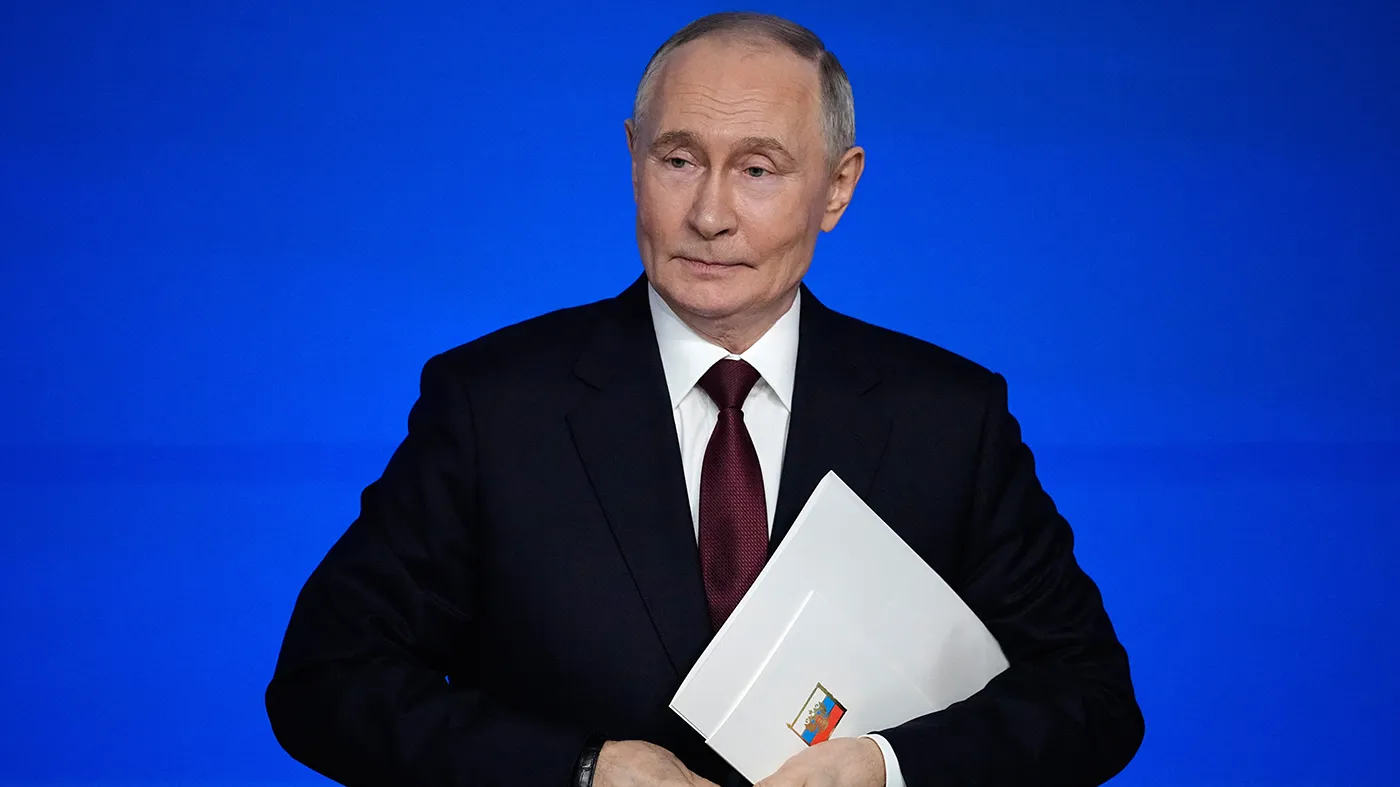
Putin’s Nuclear Gambit: A Desperate Play as Ukraine War Turns Against Moscow
Provpnadvice.com – As Russia continues to bleed troops on the battlefield, President Vladimir Putin appears to be reaching for his most powerful card. With conventional military options dwindling, the Kremlin is increasingly relying on nuclear posturing to shift the geopolitical landscape. This strategy, while familiar, has taken on new urgency as Moscow’s fortunes in Ukraine deteriorate.
A Pattern of Escalation
More than three years have passed since analysts first concluded that Russia’s defeat in Ukraine was inevitable—the only remaining question was timing. Back then, Ukrainian deep-strike drones were just beginning their campaign against Russian territory, and Kyiv’s forces had launched a cross-border offensive into the Belgorod Oblast. Meanwhile, Russian troops remained largely stuck in place across the Donbas region and southern Ukraine.
Moscow’s reaction was swift and dramatic. Putin began warning of potential nuclear deployment in Ukraine, moved nuclear weapons to Belarus, and pulled Russia out of the Treaty on Conventional Armed Forces in Europe. These moves signaled a willingness to broaden the conflict beyond Ukraine’s borders.
Today, the situation has only worsened for Russia. The military is suffering an average of 30,000 casualties each month. At the same time, Ukrainian precision strikes against Russian oil and energy infrastructure are inflicting significant economic damage. In May, the Russian Ministry of Defense confirmed it had relocated nuclear munitions to field storage facilities near a missile unit in Belarus during military exercises. While this announcement was directed at Ukrainian leadership, it carried clear implications for NATO as well.
The Nuclear Psyop Campaign
Moscow has been conducting a sustained hybrid campaign against Europe for years, using threats to Western nuclear facilities as leverage. Daniel Salisbury of The International Institute for Strategic Studies recently noted that “Russia is interested in manipulating nuclear risks to turn up the pressure on Western capitals.”
Russia is interested in manipulating nuclear risks to turn up the pressure on Western capitals.
The Institute documented 144 incidents involving Russian drone activity around nuclear weapons and energy installations across Europe, beginning in late 2024. Their assessment concluded that Moscow is operating with substantial impunity throughout the continent.
The targets are strategically significant. Russia’s shadow merchant fleet is reportedly monitoring sensitive NATO bases in the United Kingdom, including RAF Feltwell, RAF Fairford, and RAF Mildenhall. The latter hosts U.S. Air Force aircraft equipped to carry air-launched nuclear gravity bombs. Similar unmanned aerial vehicle sightings have been reported at Kleine-Brogel Air Base in Belgium and Volkel Air Base in the Netherlands. Additionally, five Russian-launched drones were detected near France’s sea-launched nuclear missile launch site late last year.
European nuclear power plants have also come under scrutiny. In November 2025, three drones were observed flying over the Doel Nuclear Power Plant in Belgium.
Weaponizing Fear
Moscow’s overarching objective is clear: create enough anxiety in Western capitals that they will reduce their support for Ukraine. Putin is effectively turning nuclear fear into a weapon of hybrid warfare.
This approach has historical precedent. In August 2022, analysts warned that Putin was transforming the Zaporizhzhia Nuclear Power Plant in southern Ukraine into what they termed a “Nuclear Force Z.” Following Russia’s capture of the facility during intense fighting in the war’s opening months, Putin’s decision to occupy the plant threatened both humanitarian and ecological catastrophe. Shortly thereafter, Moscow hypocritically accused Kyiv of shelling the facility and endangering the entire European continent.
Ukraine recognized the deception then, and European leaders must see through it now. Putin is losing the war and has essentially exhausted his conventional options. Nuclear weapons, however, remain a viable political tool even if they are not a military solution. As we observed in 2023, Putin understands that nuclear weapons cannot win the war, but he continues to raise the specter of nuclear conflict because he has no other cards to play.
Beyond seeking peace from President Trump, the nuclear card is Moscow’s last resort. Domestically, this bluffing strategy resonates with ultra-nationalists in Moscow who demand a tougher stance. Europe must not be swayed by these threats. Putin’s nuclear posturing is not a sign of strength—it is a symptom of desperation.