Illinois becomes first state to require third-party audit of AI models

Illinois Takes Pioneering Step in AI Regulation
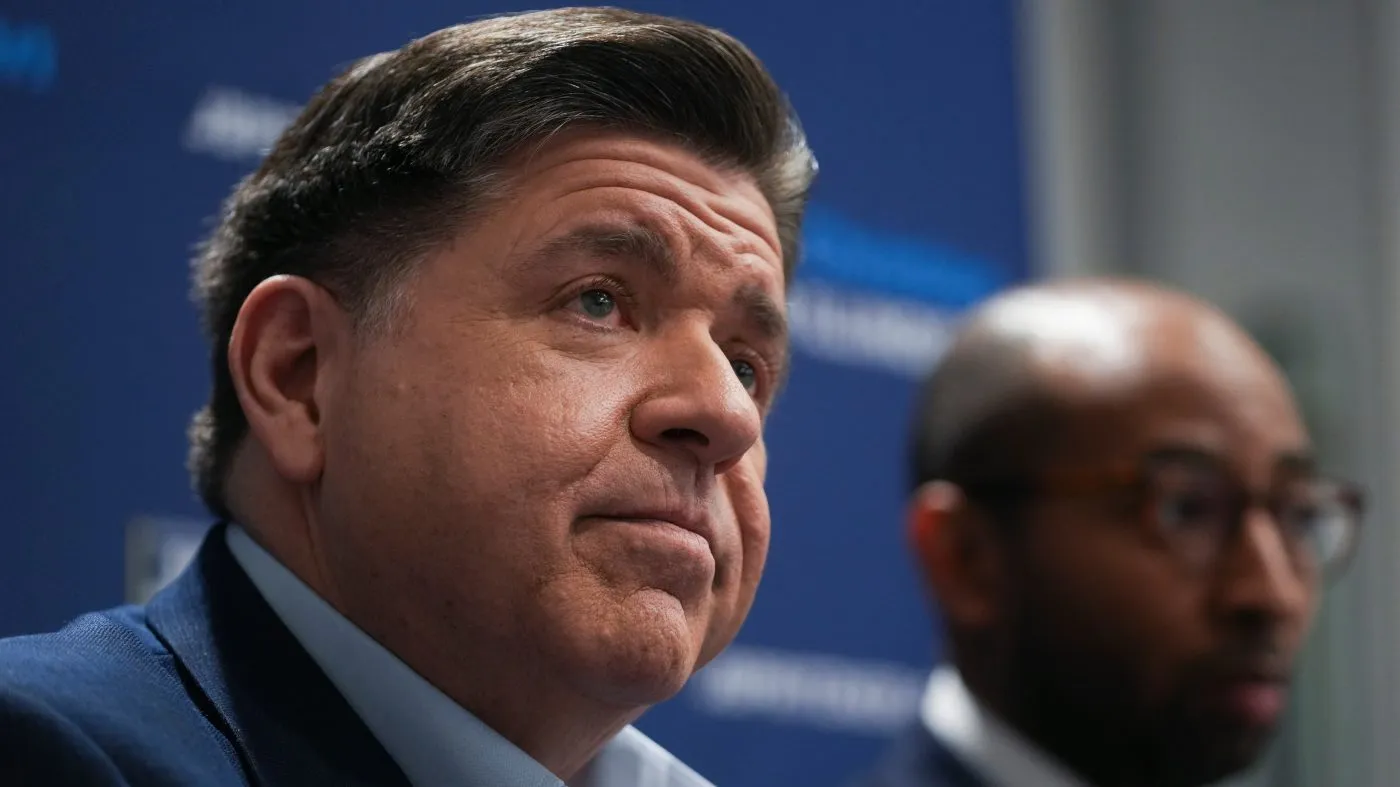
Provpnadvice.com – On Monday, Illinois Governor JB Pritzker (D) enacted a groundbreaking piece of legislation, positioning the state as the first in the nation to require large artificial intelligence labs to undergo annual third-party audits of their safety plans. This move marks a significant shift in the regulatory landscape for AI technology, as the governor emphasized the growing need for safeguards to address potential risks associated with increasingly powerful systems.
A Framework for Accountability
The newly signed Artificial Intelligence Safety Measures Act, or S.B. 315, mandates that AI developers with revenue exceeding $500 million submit regular evaluations of their safety protocols to independent experts. These audits aim to ensure transparency and reduce conflicts of interest, as Pritzker highlighted during the signing ceremony. “People want protection from the risks of AI,” the governor stated, underscoring the balance between innovation and public safety.
The bill builds upon similar measures in California and New York, which already require AI firms to publish risk assessments and safety frameworks. However, Illinois’ law introduces a stricter requirement by obliging frontier labs—those operating at the cutting edge of AI development—to undergo annual audits. This step is designed to create a more robust oversight mechanism, ensuring that safety standards are consistently monitored and updated.
Third-party evaluations, as outlined in the legislation, will be conducted by qualified professionals outside the firms’ internal teams. This approach is intended to provide an objective assessment of safety measures, including evaluations of catastrophic risks, cybersecurity protocols, and ethical considerations. “By qualified experts without financial conflicts of interest,” Pritzker explained, the bill seeks to establish a credible system of accountability for AI developers.
Bipartisan Support and Industry Endorsements
S.B. 315 passed through the Illinois Legislature earlier this year with bipartisan backing, reflecting a rare alignment on AI regulation. The law received endorsements from major players in the industry, including OpenAI, the company behind ChatGPT, and Anthropic, creators of the Claude model. These endorsements signal industry recognition of the bill’s importance in setting a precedent for AI safety standards.
While the law focuses on safety and transparency, it also acknowledges the potential benefits of AI. Pritzker reiterated in a press release that the goal is not to stifle innovation but to ensure that its advantages are realized responsibly. “As AI systems become more powerful and the federal government is unwilling to step in, states have a responsibility to protect our people from the dangers of AI while still harnessing the unique potential of the technology,” he said, framing the legislation as a proactive response to federal inaction.
The legislative process for S.B. 315 involved collaboration between lawmakers and industry experts, with the bill’s provisions carefully crafted to address concerns about AI’s rapid development. This partnership highlights the growing consensus that state-level measures can complement federal efforts, especially in the absence of comprehensive national legislation.
Federal Gridlock and State-Level Innovation
While Illinois has taken a bold step, federal lawmakers have struggled to advance AI-related policies. Washington’s legislative process has been bogged down by partisan and intraparty debates, leaving key AI safety measures in limbo. In this context, state laws like S.B. 315 are emerging as critical tools for addressing gaps in oversight.
Although most AI labs advocate for a unified national safety framework, the lack of progress in Congress has led to a patchwork of state-level regulations. Illinois’ law, which requires both transparency and external verification, could set a standard for other states to follow. The legislation’s combination of accountability measures and industry collaboration suggests a model for balancing innovation with responsibility.
Earlier this month, a bipartisan framework proposal was introduced in the House of Representatives, aiming to create a cohesive set of AI safety guidelines. However, the proposal has faced resistance, with some lawmakers arguing that it grants too much authority to federal agencies. In contrast, Illinois’ law allows for state-level enforcement while encouraging firms to self-regulate through independent audits.
The federal stalemate has prompted tech companies to explore state legislation as a means of shaping AI governance. OpenAI and Anthropic, two prominent firms in the field, have praised Illinois’ approach as a practical solution to the challenges of AI safety. Cesar Fernandez, Anthropic’s head of U.S. state and local government relations, called the law “an important step toward the accountability this technology demands.”
Implications for the AI Industry
Illinois’ decision to mandate third-party audits of AI models could have far-reaching implications for the industry. By requiring regular assessments of safety plans, the law compels firms to demonstrate their commitment to ethical AI development. This may lead to increased investment in risk mitigation strategies and a more transparent reporting process for AI-related activities.
The law’s focus on annual audits also introduces a dynamic element to AI safety oversight, ensuring that developers continuously adapt their frameworks to address new challenges. For instance, as AI systems evolve to handle more complex tasks, the audits will help identify emerging risks and measure the effectiveness of existing safeguards. This ongoing evaluation is crucial in an industry where technological advancements can outpace regulatory responses.
Illinois’ approach may inspire other states to adopt similar measures, potentially creating a network of AI safety standards across the country. While federal legislation remains a priority, the state’s initiative demonstrates how local governments can act as a catalyst for national change. The success of S.B. 315 could also influence the development of state laws in other regions, such as the Midwest or the Northeast, where AI adoption is rapidly growing.
Additionally, the law’s requirement for published AI frameworks adds a layer of public engagement, allowing communities to scrutinize the risks associated with AI systems. This transparency could foster trust between tech companies and the public, particularly in light of recent concerns about algorithmic bias, data privacy, and autonomous decision-making. By making safety plans accessible, Illinois aims to empower citizens and stakeholders with the information needed to make informed judgments.
As the AI industry continues to expand, the need for regulatory frameworks becomes increasingly urgent. Illinois’ law provides a blueprint for how states can take the lead in establishing safety standards, even in the absence of federal action. The law’s emphasis on independent verification ensures that AI developers are held to high standards, reducing the likelihood of oversight lapses in critical areas such as cybersecurity and risk assessment.
Looking ahead, the effectiveness of S.B. 315 will depend on the rigor of the third-party audits and the willingness of AI firms to comply with the requirements. If successful, the law could set a precedent for other states to follow, creating a more standardized approach to AI safety. Meanwhile, it highlights the growing role of state governments in shaping the future of technology, particularly when federal legislation is stalled or delayed.
With Illinois now leading the charge, the AI landscape is set to see more state-level initiatives in the coming years. The law not only addresses immediate concerns but also sets a tone for future regulations, emphasizing the importance of accountability in an era of rapid technological advancement. As AI continues to permeate various aspects of society, such measures will be essential in ensuring its safe and ethical integration into everyday life.