‘It is a crisis’: Putin under increasing pressure from Ukraine war

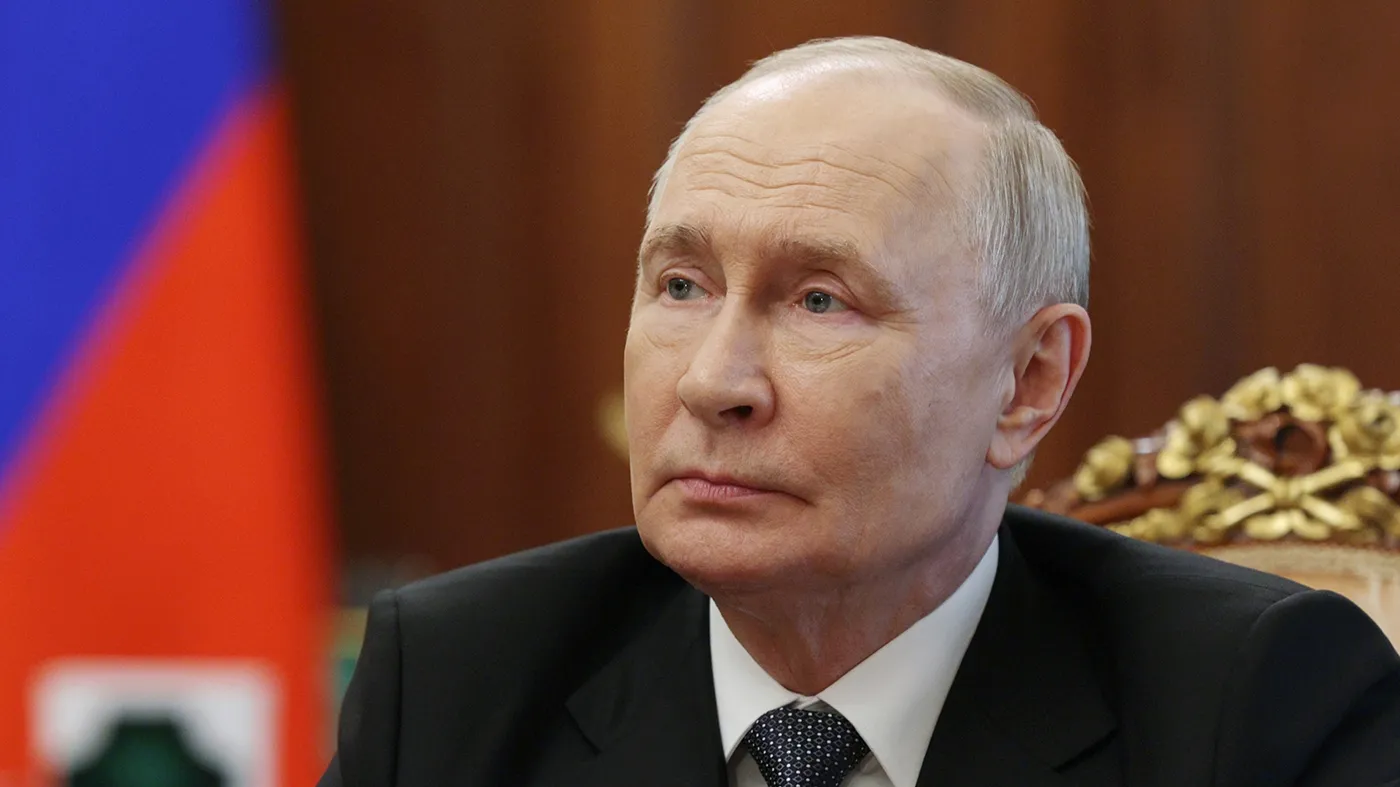
‘It is a Crisis’: Putin Faces Escalating Domestic Scrutiny Amid Ukraine Conflict
Provpnadvice.com – As the war in Ukraine enters its fifth year, Russian President Vladimir Putin is encountering an unusual wave of public critique within his own country. This shift signals growing concerns about the toll of the conflict on Russia’s economy, military, and societal stability. Prominent figures from various sectors are increasingly vocal in their criticism, challenging the narrative that the war is a straightforward victory for Russia.
Economic Strains Spark Diverging Opinions
Fuel shortages, surging inflation, and targeted attacks on Russian energy infrastructure and urban centers have intensified discussions about the war’s impact. These challenges are prompting high-profile individuals to question the direction of the conflict. Vladimir Milov, a Russian economist who once held a senior government post, described the current situation as a “crisis” during an interview. He noted that public acknowledgment of Russia’s difficulties is accelerating, with more people openly recognizing the strain on their daily lives.
“What we are seeing right now is an extreme acceleration of public admissions that we are in trouble,” Milov stated. “It is a crisis.”
German Gref, the head of Russia’s largest bank, Sberbank, has also joined the chorus of critics. Known for his influential role in the financial sector, Gref recently expressed urgency for an end to the conflict on Russian state television. “I don’t think there’s a single person who isn’t concerned about anything other than a rapid end to hostilities,” he reportedly said, highlighting the nation’s worsening economic outlook.
Military Setbacks and Psychological Impact
Ukrainian military strategies, particularly the use of advanced drone technology, have disrupted Russian defenses and altered the battlefield dynamics. These strikes have targeted areas beyond the front lines, such as the Crimean Peninsula and regions within Russia itself. Analysts argue that such attacks have not only caused strategic setbacks but also shaken public morale, casting doubt on Putin’s control over the war effort.
Ordinary Russians are bearing the brunt of these challenges. Major cities have experienced power outages and supply chain disruptions, while vacation plans in Crimea’s Black Sea resorts have been canceled due to logistical issues. The strain on daily life is becoming more visible, with citizens facing rationing and long waits at gas stations. Prices for essential goods have skyrocketed, further eroding consumer confidence.
Analysts Highlight Growing Concerns
Experts are closely monitoring whether Putin will take decisive action to address the mounting pressures. According to Kateryna Stepanenko, Russia team lead at the Institute for the Study of War (ISW), the war has eroded Putin’s strategic buffer. “The Ukrainian mid-range and long-range strikes are eliminating the time he thought he had to make critical decisions,” she explained. “This is changing the calculus for Russia.”
Recent data from the Center for Strategic and International Studies (CSIS) underscores the severity of the situation. The report estimates that Russia’s casualty rate has surged by 8 to 1 compared to the first half of 2026, with 450,000 soldiers killed and 1.4 million total casualties. This stark figure reflects the country’s struggle to replenish its forces, as monthly losses now exceed recruitment numbers by 3,000. The financial burden of maintaining the war effort is also evident, with the government reportedly relying on monetary emission to fund deficits, fueling inflation and limiting the Central Bank’s ability to cut interest rates.
Political and Economic Consequences
Putin’s leadership is now being tested by the intersection of economic and military challenges. Milov described the current state of Russia as facing an “unholy trinity” of issues: declining GDP, expanding budget deficits, and rising inflation. “The government is effectively funding the deficit through printing money, which has enormous pro-inflationary effects,” he added. “This creates a cycle that is difficult to break.”
Stepanenko highlighted another potential move: nationalizing industries to mitigate shortages of oil and gas. With Ukraine’s attacks on energy facilities disrupting supply chains, Russia is exploring measures to stabilize its resources. Reuters reported that the country has already begun importing gas from India to compensate for regional shortages. However, the decision to nationalize industries remains uncertain, as Putin appears hesitant to make sweeping changes.
Signs of a Breaking Point
Analysts suggest Russia may be nearing a critical threshold. A leaked Russian Ministry of Defense map from April revealed that forces are occupying towns they had not captured, raising questions about the accuracy of official reports. The ISW verified the map’s authenticity, noting that it aligns with statements from top generals about territorial gains. Stepanko pointed out that this discrepancy could indicate Putin is relying on incomplete or misleading information.
“If that’s something presented by a top general, I don’t imagine Putin goes out of his way to verify these claims,” she said. “It’s possible he’s operating on misinformation.”
Public criticism of Putin, once considered taboo, is now more openly discussed. Milov described this as a “fresh development,” emphasizing that while the tone remains generally mild, the willingness to question the leader is increasing. This shift reflects a broader societal unease, with citizens and elites alike grappling with the war’s long-term consequences.
Uncertainty About Putin’s Next Move
Despite the mounting pressure, Putin’s government has not yet signaled a major policy shift. Stepanenko noted that the leader may be prioritizing short-term stability over long-term reforms, choosing to absorb the current strain rather than confront it head-on. “There are no clear signs that he’s moving toward these hard decisions,” she said. “Instead, he’s willing to tolerate temporary pain to sustain his war effort.”
However, the situation is evolving. Russian forces are stalled in key areas, and the government’s ability to project confidence is waning. With the war’s economic and military costs climbing, the question remains: will Putin adapt, or will the pressure lead to a turning point? The coming months could determine whether Russia continues to press forward or begins to reassess its strategy. For now, the crisis is deepening, and the public is watching closely for signs of change.