Vance warns US could resume war: ‘That’s kind of up to the Iranians’

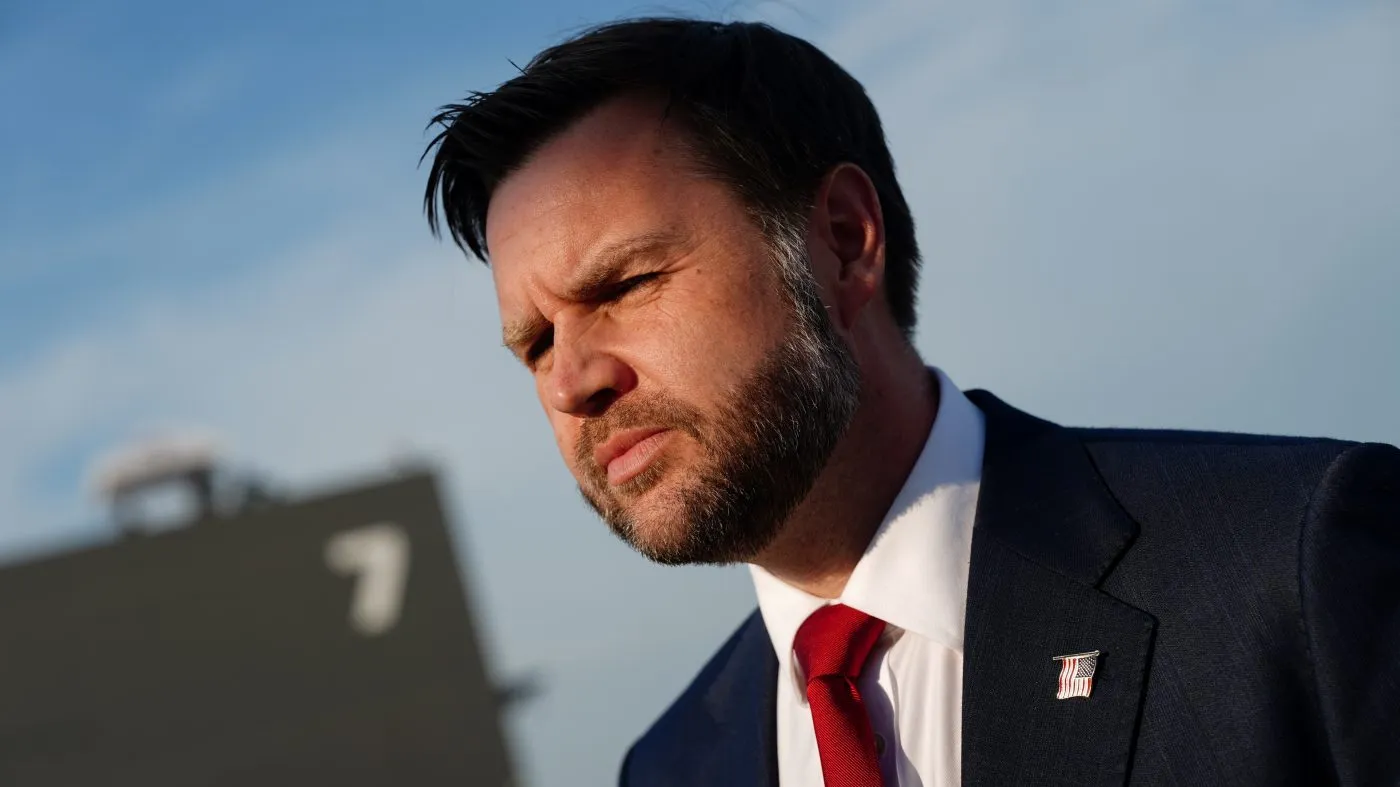
Vice President Vance Signals Possible U.S. Military Action Against Iran if Ceasefire Falters
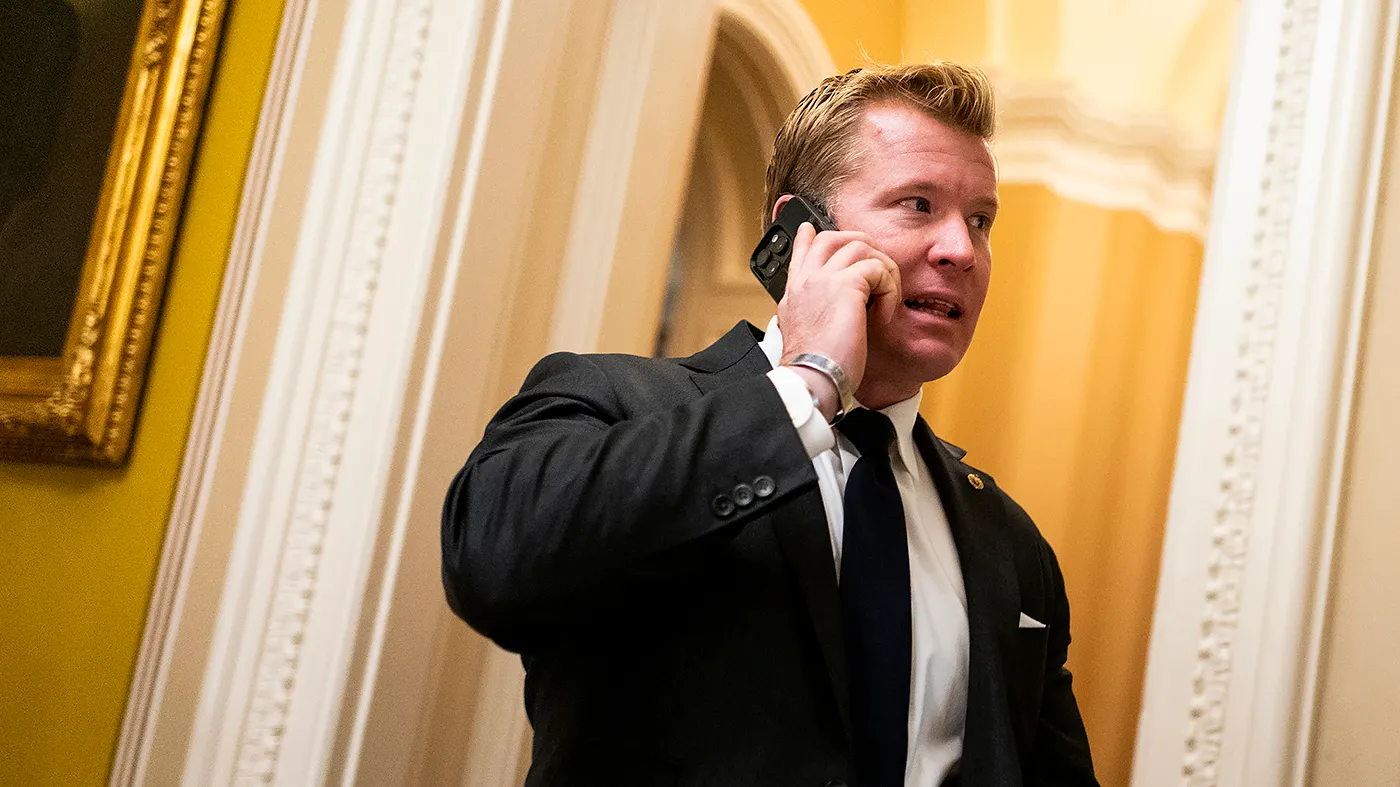
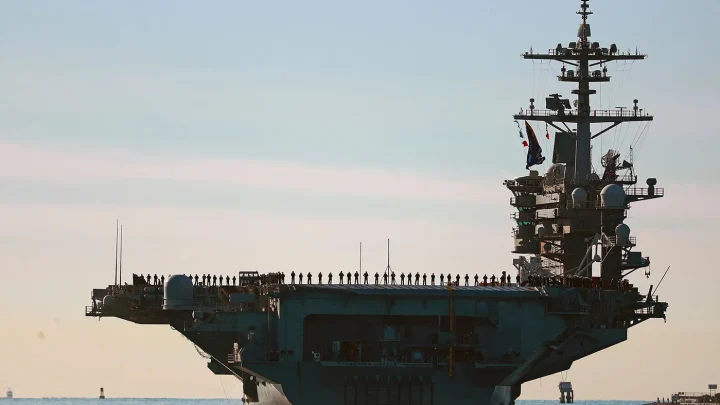
Provpnadvice.com – As discussions over a potential peace agreement with Iran continue, Vice President Vance has indicated that the United States might not hesitate to resume hostilities should the ongoing 60-day ceasefire fail to yield a resolution. During a press appearance at Naval Air Station Oceana in Virginia Beach, Virginia, Vance expressed that the administration remains prepared to take decisive military action, emphasizing that such a move would depend on Iran’s actions.
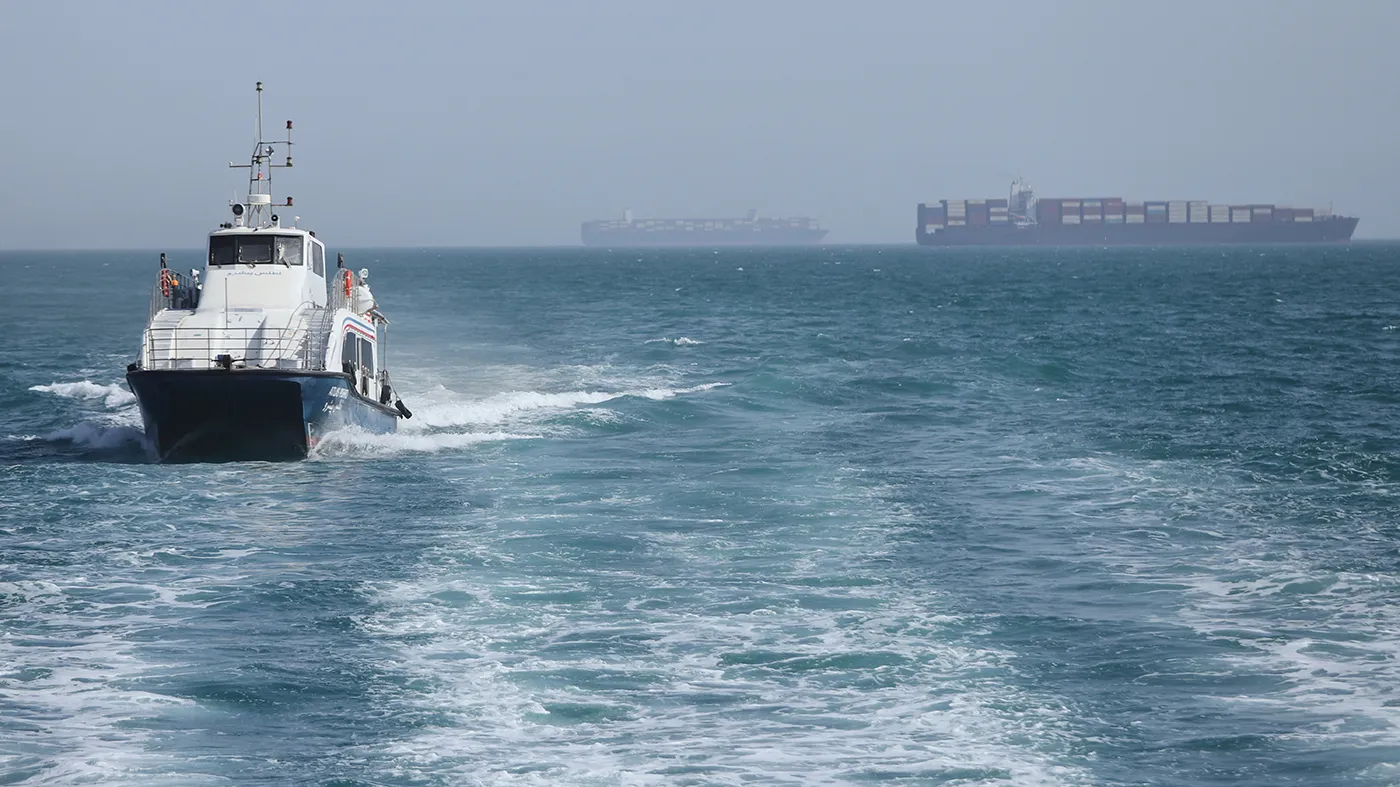
“The president is not going to send our military back in unless he has to, unless there’s a clearly defined purpose for it,” Vance stated. “If we’ve got to do more, of course, that’s kind of up to the Iranians. If they try to rebuild their nuclear program, if they try to start shooting at commercial vessels again, that’s going to change our calculus.”
The current ceasefire, which has been in place since April, emerged after a seven-week bombing campaign that targeted Iran in the Middle East. The Trump administration asserted that the conflict was driven by Iran’s nuclear ambitions, which they deemed “untenable.” This agreement has created a fragile pause in hostilities, with both sides agreeing to a 60-day period to finalize the terms of a broader peace plan.
The peace plan, inked on June 17, was formalized through a 14-point memorandum of understanding signed by President Trump and Iranian officials. The document outlines the framework for a lasting resolution, but the details have yet to be fully negotiated. Middle East envoy Steve Witkoff and Jared Kushner, Trump’s son-in-law, are currently in Doha, Qatar, engaging in talks with their counterparts. However, the discussions are described as technical and indirect, with the primary focus on logistical and procedural aspects rather than direct diplomatic engagement.
Despite the ongoing negotiations, Trump has remained vocal about his vision for the conflict. He highlighted the importance of denuclearization, stating that “the denuclearization of Iran is moving along well.” During a recent press briefing, the president expressed optimism about the talks, acknowledging that “they’ve had very good meetings, and we’ll see” how they progress.
Vance, however, has taken a more measured approach. He recently asserted that the administration has already fulfilled its primary objective in the Iran deal, regardless of the outcomes of the current talks. Speaking on Fox News’ “The Ingraham Angle,” the vice president noted, “We have all the cards in the negotiation. We obviously want it to be successful, but even if it’s not successful, we’ve accomplished the core mission, which is to ensure that the Iranians never have a nuclear weapon.”
This statement reflects a strategic shift in the administration’s approach. While the ceasefire provides a temporary respite, Vance’s remarks underscore the readiness to escalate if Iran does not meet the agreed-upon conditions. The vice president’s emphasis on Iran’s nuclear capabilities suggests that the administration views this as the central issue, with the broader conflict serving as a means to achieve that goal.
Trump has also made it clear that he holds the authority to decide the course of action. On Wednesday, he reiterated that “the president maintains a lot of options,” including the possibility of launching airstrikes against Iran. This assertion positions Trump as a key decision-maker in the conflict, with the ability to act unilaterally if negotiations stall.
Notably, Trump has not shied away from assigning responsibility to Vance should the talks falter. Earlier this month, he told reporters that if the negotiations with Iran do not produce favorable results, he would “take the credit” for any success and “blame JD” for any setbacks. This dynamic highlights the tension between the executive’s leadership and the vice president’s role in diplomatic efforts.
The situation remains complex, with multiple stakeholders involved. While the ceasefire has allowed for critical discussions, the lack of direct engagement between the U.S. and Iran raises questions about the efficiency of the process. The involvement of Pakistan and Qatar as mediators adds another layer of complexity, with their roles in facilitating talks potentially influencing the final terms.
Analysts suggest that the administration is balancing immediate military readiness with the hope of a diplomatic resolution. Vance’s comments indicate that the U.S. is prepared to act if necessary, but they also reflect a commitment to the ceasefire as a platform for negotiation. This duality underscores the broader strategy of using both military and diplomatic tools to achieve the administration’s goals.
As the 60-day window draws closer, the focus remains on whether Iran will comply with the terms of the agreement. The memorandum of understanding, while a significant step, is seen as a preliminary framework that requires further refinement. The success of the talks will hinge on the willingness of both sides to make concessions, particularly regarding Iran’s nuclear program.
With the stakes high, the U.S. and Iran are at a critical juncture. The potential for renewed conflict looms large, but the ongoing negotiations offer a chance to prevent further escalation. As Vance and Trump navigate the complexities of the situation, the outcome will shape the future of U.S.-Iran relations for years to come.