What the dates printed on your food actually mean

Understanding the Dates on Your Food Packaging
Provpnadvice.com – Beginning in the coming months, food products sold in California will undergo a labeling transformation, thanks to a new legislative initiative. This law aims to simplify the often-misleading dates found on packaging, offering consumers clearer guidance. However, outside of California, the same level of clarity may still be absent, leaving shoppers to grapple with their own interpretations of what those dates truly signify.
The Evolution of Date Labeling
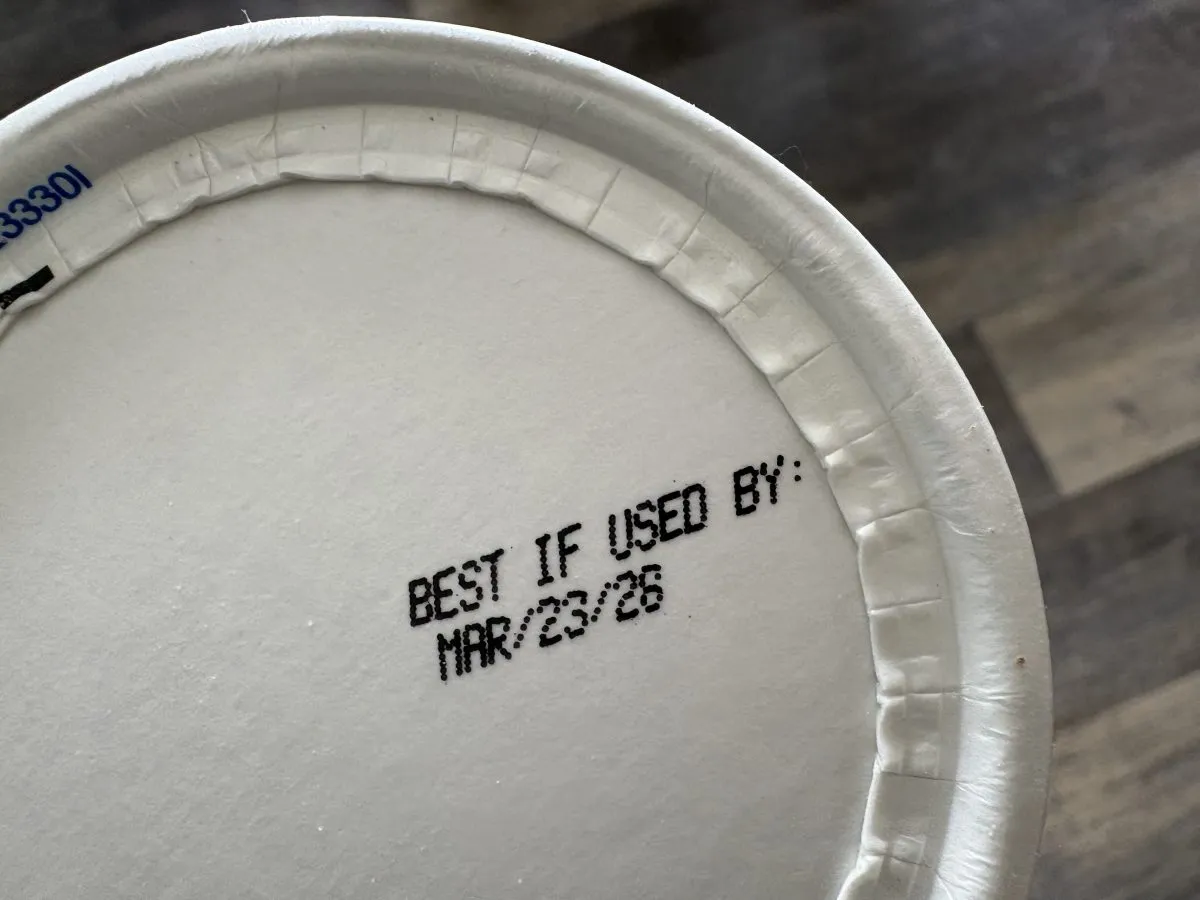
Food packaging dates are not always straightforward. Depending on the item and the manufacturer, they can indicate a variety of things. Common labels include “Best If Used By” or “Best By,” which are designed to guide consumers on when to consume a product for optimal quality rather than as a strict expiration marker. The U.S. Food and Drug Administration (FDA) clarifies that these dates differ from “use by” labels, which are specifically required for infant formula. For other foods, they serve more as recommendations than definitive warnings.
For instance, a product labeled with “Best If Used By” might still be safe to eat beyond that date if stored correctly, but its taste or texture could degrade. This distinction is critical, as it shifts the focus from safety to quality. According to Abby Snyder, an associate professor of food science at Cornell College of Agriculture and Life Sciences, these dates act as a signal for how quickly a food should be consumed before its quality starts to diminish. “It doesn’t mean the product is necessarily ‘bad’ or going to make you sick,” adds Andy Hirneisen, a senior extension educator with Penn State Extension’s Retail and Consumer Food Safety Team. “It’s just that the quality is going to suffer after that.”
Why the Confusion Persists
Many consumers mistakenly interpret these dates as expiration dates, leading to unnecessary food waste. The FDA estimates that billions of dollars worth of food is discarded annually because people believe it has gone bad after the labeled date. This issue has prompted state-level action, with California’s law addressing the ambiguity that has long plagued the industry. Yet, federal efforts to standardize date labeling have faced obstacles in recent years, leaving a patchwork of rules across states.
The new legislation in California limits the types of dates that can appear on food labels to two: “Best If Used By” and “Use By.” This move seeks to eliminate the confusion caused by terms like “sell by,” “expires by,” and “best by,” which can vary in meaning depending on the product. By narrowing the options, the law aims to provide a more consistent framework for consumers, encouraging them to base their decisions on quality indicators rather than rigid expiration timelines.
Quality vs. Safety: A Critical Distinction
The USDA explains that food past its “Best If Used By” date can still be safe to consume if handled properly. However, its quality may decline due to factors like spoilage microbes or exposure to air. For example, a jar of peanut butter labeled with a “Best By” date might still be safe to eat even days later, but it could lose its flavor or texture. Similarly, a container of yogurt might develop a slightly different taste or aroma, yet remain fit for consumption.
Spoilage signs, as outlined by the USDA, include an off-odor, off-flavor, or altered texture caused by naturally occurring bacteria. These indicators are not always present, which is why the law emphasizes the importance of proper storage conditions. Labels such as “keep frozen” or “store in a cool, dry place” help consumers preserve the product’s quality, but they are not mandatory for safety. The distinction between quality and safety is key to reducing waste without compromising health.
The Broader Impact of Labeling Standards
While California’s law is a significant step, it’s part of a larger conversation about food date labeling. The FDA’s previous attempts to establish federal guidelines for date labels have stalled, with debates over whether to prioritize safety or quality indicators. This lack of uniformity has led to inconsistencies, making it difficult for consumers to understand what each label means. For example, a “use by” date on infant formula is a safety requirement, but similar dates on other foods are more about freshness.
Consumers often discard food without checking its condition, assuming it’s unsafe to eat. This habit contributes to the estimated 30-40% of food in the U.S. being thrown away, according to recent studies. The new California law not only clarifies the purpose of these dates but also encourages a more mindful approach to food consumption. By focusing on quality over safety, it empowers individuals to make informed decisions about their food, potentially saving money and reducing environmental impact.
Real-World Examples of Date Misinterpretation
Consider a scenario where a consumer finds a loaf of bread labeled with a “Best By” date that has passed. While the bread may not be as fresh, it’s still safe to eat if stored in a cool, dry place. The same logic applies to canned goods or frozen meals, which can maintain their safety well beyond the printed date. In contrast, a product with a “use by” date, like perishable items, may require more immediate attention to avoid spoilage.
Another example is a package of cheese marked with a “Best If Used By” date. If the cheese is sealed properly and stored in a refrigerator, it could remain safe and delicious for weeks after the date. However, if the seal is broken and the cheese is exposed to air, its quality might decline more quickly. These variations highlight the need for consumers to understand the context of each label and the storage requirements that accompany it.
How to Make the Most of Date Labels
Experts recommend treating date labels as guidelines rather than strict deadlines. The USDA advises checking for signs of spoilage, such as mold, off-smells, or unusual textures, before deciding to discard a product. Proper storage is equally important, as it can significantly extend the shelf life of many foods. For instance, keeping a product refrigerated can prevent bacterial growth, while freezing it can halt degradation entirely.
Even after the date has passed, foods like peanut butter, canned vegetables, or boxed cereals can still be enjoyed without risk. The key is to assess the product’s condition based on its storage and appearance. As Hirneisen notes, “You’ll just need to check if the food is still of good quality or whether it has any spoilage bacteria.” This simple step can help consumers avoid waste while ensuring they eat safely.
California’s law represents a shift in how date labels are perceived and used. While it doesn’t apply to other states, it sets a precedent for simplifying the labeling process. The goal is to reduce confusion, encourage mindful consumption, and ultimately, cut down on the millions of pounds of food wasted annually. As the USDA and FDA continue to advocate for clearer standards, consumers can take comfort in knowing that the dates on their food are more about quality than a guarantee of safety.
Looking Ahead: Federal vs. State Approaches
With the new law in place, California joins other states that have implemented similar measures to address date label confusion. This state-level action has been driven by the need for immediate clarity, while federal policymakers have yet to reach a consensus. The absence of a unified standard means that consumers in different regions may encounter varying types of labels, complicating the decision-making process.
Despite these challenges, the movement toward clearer date labels is gaining momentum. By focusing on quality indicators and storage instructions, states like California are leading the way in reducing food waste. As more consumers become aware of the nuances behind these dates, they may start to see them as tools for better food management rather than red flags for spoilage. The law’s success could inspire other states to follow suit, creating a more consistent approach to food labeling nationwide.
Ultimately, understanding the dates on food packaging is about making informed choices. Whether you’re buying a jar of peanut butter or a package of deli meat, the printed date is a suggestion, not a command. By combining this knowledge with proper storage habits, consumers can minimize waste and maximize the enjoyment of their food. As the USDA and FDA continue to emphasize, the goal is not to create a strict rulebook but to empower individuals with the tools they need to make the best decisions for their health and their wallets.