How many people are covered by temporary protected status?

How Many People Are Covered by Temporary Protected Status?
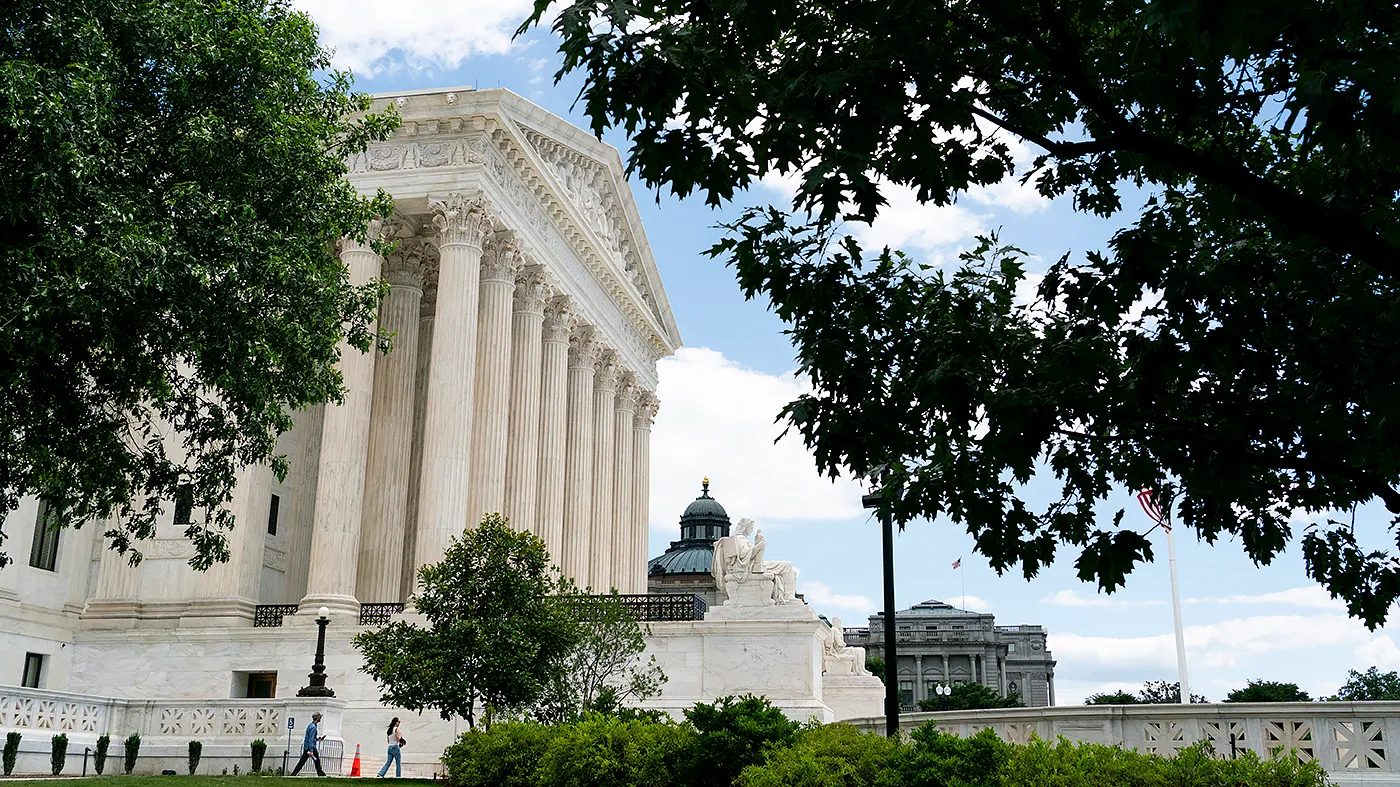
Provpnadvice.com – The Supreme Court’s recent decision has opened the door for the Trump administration to remove humanitarian protections from specific nationalities, potentially affecting over a million individuals who could now face deportation. This ruling marks a pivotal moment in the ongoing debate over immigration policies and the future of temporary protected status (TPS) in the United States.
A Legal Shift in TPS Designation
Thursday’s ruling by the Supreme Court specifically addresses the inclusion of Haiti and Syria in the TPS program. The decision allows the administration to rescind these designations, which have shielded citizens from these nations from deportation and provided them with the opportunity to obtain work permits. This move is part of a broader effort to streamline immigration by targeting countries deemed to have stabilized post-crisis.
The Department of Homeland Security holds the authority to determine which nations qualify for TPS. According to the Congressional Research Service (CRS), the program is activated when a country faces ongoing armed conflict, environmental disasters, epidemics, or other extraordinary conditions that prevent its citizens from returning home. These criteria have been central to the administration’s justification for terminating TPS for multiple countries.
As of March 2025, the U.S. granted TPS protections to 330,735 Haitians and 6,100 Syrians, as reported by the CRS. This figure highlights the significant number of individuals who have relied on the program for stability and employment. However, the administration’s focus has shifted toward ending TPS for additional countries, aiming to reduce the population of people protected under this status.
The Broader Impact of the Ruling
Legal experts anticipate that this decision will influence future efforts to remove TPS protections from other nations. With the Supreme Court’s endorsement of the administration’s approach, challenges to these removals may be dismissed more easily, setting a precedent for stricter immigration enforcement. The ruling could lead to the displacement of nearly 700,000 individuals from countries like Venezuela, Honduras, Afghanistan, and others, as outlined in the CRS data.
These countries account for the majority of TPS beneficiaries, with their populations collectively affected by the administration’s plans. The implications of this shift extend beyond immediate deportations, as it may reshape the legal status of long-term residents who have contributed to American society. The decision also raises concerns about the fairness of terminating protections without a clear path to permanent residency for those who have lived in the U.S. for decades.
Reactions from Congressional Leaders
Four Democratic senators from the Congressional Hispanic Caucus have voiced strong opposition to the Supreme Court’s ruling, calling it a “betrayal of American families.” In a joint statement released Thursday afternoon, they emphasized the critical role TPS plays in supporting communities and protecting vulnerable populations.
“TPS is a legal immigration status and a lifeline for those fleeing violence and disaster,” the senators wrote. “Here legally for decades, TPS recipients have become important members of our communities.”
The lawmakers, including Catherine Cortez Masto (D-Nev.), Ben Ray Luján (D-N.M.), Alex Padilla (D-Calif.), and Ruben Gallego (D-Ariz.), argued that the administration’s approach undermines the program’s original purpose. They highlighted that the Supreme Court’s approval of the mass deportation scheme could have far-reaching effects, placing every TPS holder at risk and deepening divisions among immigrant communities.
“For the Supreme Court to rubberstamp Trump’s mass deportation scheme is cruel and frankly un-American,” the senators continued. “The impacts will ripple across all immigrant communities and put every TPS holder at risk. Let us be clear: we will not stop fighting for a pathway to citizenship for families across America.”
White House Response
The White House hailed the ruling as a “tremendous win for the Trump administration,” celebrating its alignment with the president’s long-standing views on immigration. A spokesperson for the administration, Abigail Jackson, stated that TPS was always intended as a temporary measure, not a pathway to permanent residency.
“Today, the Supreme Court affirmed what President Trump has always maintained: temporary protected status is, by definition, temporary,” Jackson said. “It was never intended to be a pathway to permanent status or legal residency and is committed to the discretion of the Secretary of Homeland Security.”
She added that the administration’s actions are aimed at correcting what she described as “egregious abuses” to the immigration system. The decision reflects a strategy to prioritize flexibility in border policies while addressing concerns over the long-term integration of immigrant populations.
As the debate over TPS continues, the ruling underscores the tension between humanitarian considerations and immigration control. While the administration defends its approach as necessary for managing the flow of migrants, critics argue that it risks destabilizing families and communities that have relied on these protections for years. The outcome of this legal shift will likely shape the future of immigration law for years to come.
The TPS program, initially designed as a temporary solution, has become a cornerstone of immigration policy for many. Its removal from certain countries could signal a broader trend of prioritizing expediency over permanence in the treatment of immigrants. Advocates stress that the program provides a vital safety net, particularly for those who have no other means of securing work or shelter in the U.S. As the Supreme Court’s decision takes effect, the focus will turn to how the administration plans to implement these changes and what impact they will have on the lives of millions of residents.