World Cup fans from around the world are wowed by United States

World Cup Fans from Around the World are Wowed by United States
Provpnadvice.com – As the World Cup unfolded across the globe, international soccer fans found themselves captivated not only by the matches but also by the American experience. The first two weeks of the tournament have sparked a wave of admiration and curiosity toward U.S. food, traditions, and cultural norms, with visitors sharing their impressions on social media and in real-time interactions. From bustling cities to suburban convenience stores, the United States has become a surprising destination for culinary exploration and cultural immersion.
Global Enthusiasts Embrace American Life
Supporters from Europe, Asia, and the Middle East have been actively documenting their experiences, often highlighting the warmth of local communities and the accessibility of everyday American conveniences. Whether in bars, restaurants, or gas stations, these travelers have been exposed to a range of experiences that contrast with their expectations. The sheer variety of food options, the ease of navigating public spaces, and the friendly demeanor of Americans have all contributed to a growing sense of wonder among international fans.
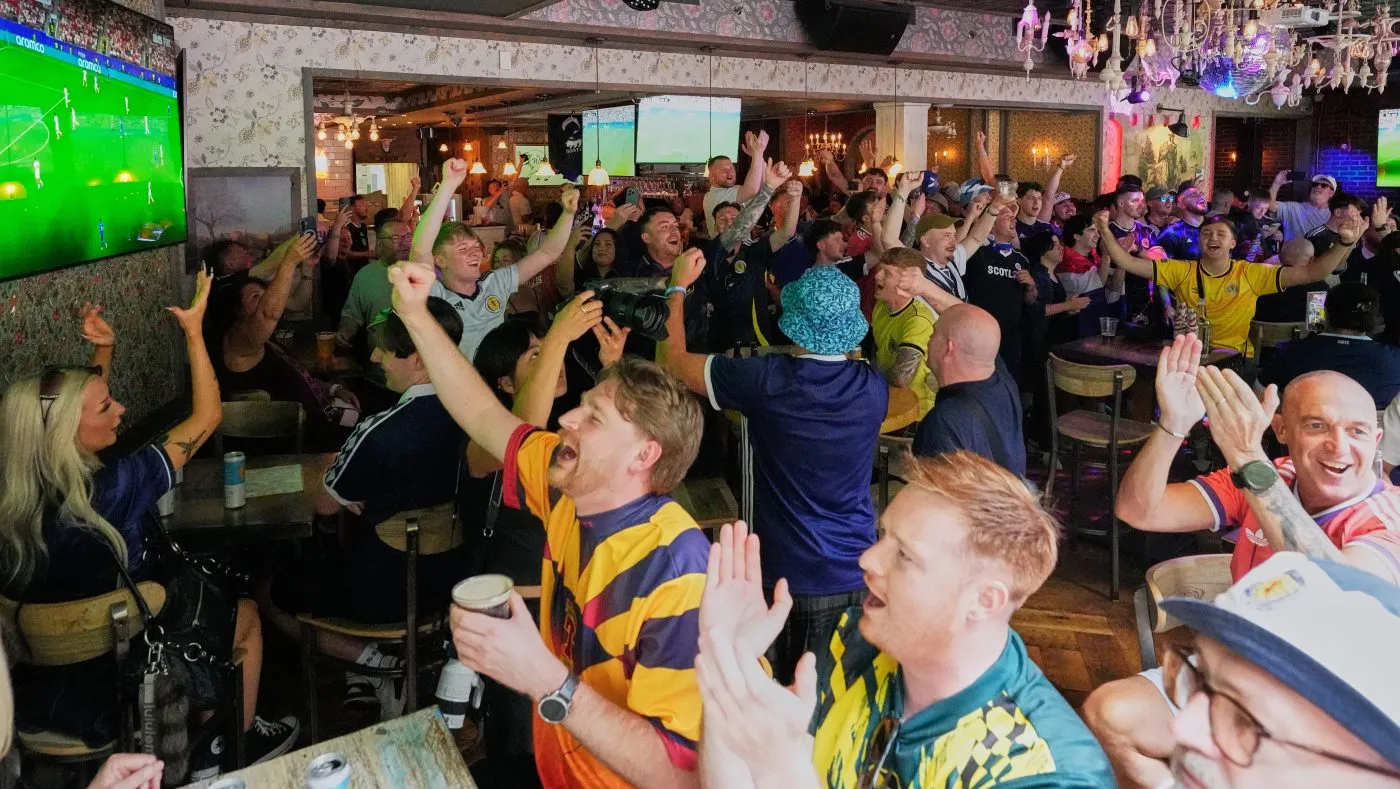
Among the most memorable moments were the informal gatherings of fans in cities like Kansas City, Atlanta, and Seattle. These fans, some of whom had traveled thousands of miles to support their national teams, found themselves not only cheering for their countries but also engaging with the host culture. One English traveler shared a video of himself inside a Walmart, marveling at the ability to purchase car parts, a flat-screen TV, and a rifle—all in one stop. “It’s like everything you need is right here,” he remarked, his voice tinged with disbelief.
Food as a Cultural Highlight
The American food culture has emerged as a standout feature for many visitors. Comments on social media and direct interactions have underscored the unexpected appeal of local cuisine. Some noted the surprising abundance of soft drinks with free refills, while others were taken aback by the size and variety of restaurant portions. “American food is very tasty, but it has a lot of calories,” a World Cup traveler told CBS News, capturing the duality of enjoyment and concern that many have expressed.
One of the most viral moments came from a Scottish fan who visited a Raising Cane’s in Boston. After sampling the fried chicken, she exclaimed, “THIS IS THE BEST FRIED CHICKEN FOOD EVER. THE SAUCE MANNN,” followed by a plea: “WE NEED THIS IN THE UK!!” The post quickly gained traction, reflecting the enthusiasm of fans who had never considered the U.S. as a culinary paradise. Such experiences have not only delighted visitors but also sparked conversations about the American way of life.
Another notable incident involved the Transportation Security Administration (TSA) issuing a reminder about the liquid content in ranch dressing. The condiment, often used as a dip or seasoning, is technically classified as a liquid, prompting a lighthearted warning to travelers. “If you’re visiting for a very large sporting event & you happen to discover RANCH while you’re here… pls pack it in your CHECKED BAG on the way home,” the agency posted, adding a humorous twist to its usual guidelines.
Communities Go Above and Beyond
Beyond the food and retail experiences, the hospitality of American communities has left a lasting impression on World Cup visitors. In Lawrence, Kansas, for example, more than 500 people gathered at the local airport to greet the Algerian national team before its matches in Kansas City. The AP reported the event as a display of goodwill, with fans offering water, snacks, and cheers to the arriving team. Meanwhile, in Boston, members of a high school band took the time to learn and perform the Algerian national anthem, showcasing the cultural exchange that has unfolded during the tournament.
Similarly, the Boston Red Sox of Major League Baseball issued a statement commending the Tartan Army, the nickname for Scotland’s supporters, after hundreds of them marched to a June 14 game in the city. The group, accompanied by bagpipes, created a festive atmosphere that blended Scottish heritage with American sports culture. “The energy and enthusiasm they brought to the game were incredible,” the team’s spokesperson said, highlighting the positive interactions between fans and local communities.
Shaping Global Perceptions
Observers suggest that the World Cup has become a platform for showcasing the United States in a new light. Amid global tensions surrounding President Trump’s foreign policy, the enthusiasm of international visitors for American food and customs offers a counterpoint to prevailing stereotypes. “I have to say, I’m surprised that one of the stars so far of this World Cup is Buc-ee’s,” remarked Andrés Martinez, a soccer author and co-director of Arizona State University’s Great Game Lab. “It’s not just about the food—it’s about the people-to-people connections that make these moments so meaningful.”
For some, the experience has been transformative. A recent post by an online influencer who attended the World Cup noted, “My advice to Europeans is simple: be prepared to come back considerably heavier than when you went out there.” The influencer, who had been visiting the U.S. for the first time, emphasized the indulgence of American dining culture. “When I tell you the food is good in America, I have to go on a weight loss bootcamp every time I come home,” he added, underscoring the humor and sincerity behind the observations.
These interactions have not only enriched the World Cup experience but also provided a humanizing lens for the U.S. on the world stage. As fans from different backgrounds shared their stories, the image of America as a welcoming and diverse nation has been reinforced. The combination of friendly hospitality, accessible amenities, and flavorful cuisine has created a unique blend of experiences that international visitors are eager to recount.
While the tournament is primarily a sporting event, its cultural impact is undeniable. The way Americans have embraced their guests, whether through shared meals or spontaneous gestures of support, has created a sense of unity that transcends borders. For many, the U.S. has become more than just a host country—it has become a place of discovery, where the everyday aspects of life have left a lasting impression.
As the World Cup progresses, the conversations around American culture will likely continue to grow. The mix of lighthearted humor and genuine appreciation for the U.S. experience has already captured the attention of social media platforms and global audiences. Whether it’s the simplicity of a Waffle House breakfast or the sheer size of a Walmart store, these moments highlight the unique characteristics of American life that have resonated with visitors from around the world.
In the end, the World Cup has proven to be more than just a showcase of athletic talent. It has also served as a stage for cultural exchange, where the United States’ food, customs, and community spirit have shone through. As fans return home, they carry with them not only memories of the games but also a newfound appreciation for the country they’ve visited. This blend of sports and culture has the potential to leave a lasting impact, shaping how the world perceives the United States in the coming months.