Trump signs orders to boost quantum research, security

Trump Signs Orders to Boost Quantum Research, Security
Provpnadvice.com – President Donald Trump issued two executive orders on Monday to advance quantum computing initiatives and reinforce national security measures against emerging threats from quantum technology. These directives mark a significant step in the U.S. government’s effort to position itself as a leader in the rapidly evolving field of quantum innovation while preparing for the cybersecurity challenges posed by quantum systems.
The Strategic Vision Behind the Orders
Quantum computing, a revolutionary field rooted in the principles of quantum physics, promises to solve intricate computational problems at speeds far exceeding traditional computers. While still in its developmental phase, the technology is poised to unlock unprecedented capabilities across industries, from drug discovery to artificial intelligence. However, its potential also introduces risks, particularly in the realm of cybersecurity, where quantum systems could render current encryption methods obsolete.
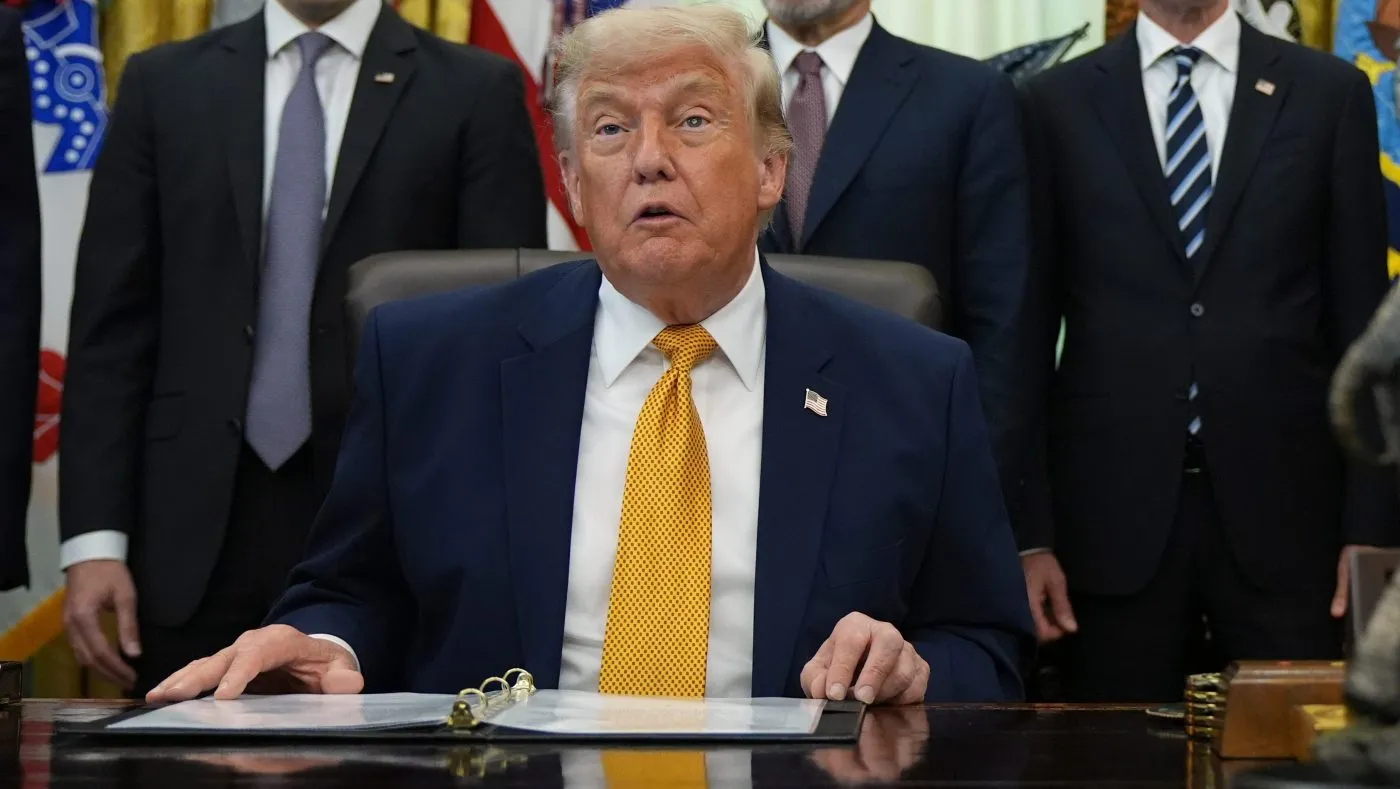
“We’re going to be investing in American quantum leadership like never before to stay ahead of the pack. We’re way ahead right now. We’ll keep it that way,” Trump stated during a signing event in the Oval Office.
The president emphasized the importance of maintaining a competitive edge in quantum research, framing it as a critical component of national security and technological dominance. His administration’s focus on quantum infrastructure reflects a broader strategy to harness the technology’s benefits while mitigating its vulnerabilities.
Enhancing Quantum Computing Capabilities
The first executive order mandates the creation of a quantum computer capable of addressing complex scientific challenges. This initiative aims to accelerate breakthroughs in fields such as materials science, climate modeling, and advanced data analysis. Federal agencies are directed to develop comprehensive plans for integrating quantum-enabled technologies into their operations, ensuring the U.S. remains at the forefront of innovation.
Additionally, the order prioritizes the development of domestic supply chains for quantum infrastructure and materials. By reducing reliance on foreign components, the government seeks to protect the quantum ecosystem from disruptions and ensure the technology’s resilience against potential threats. This approach underscores the need for self-sufficiency in an era where quantum advancements could redefine global power dynamics.
Securing the Future of Cybersecurity
The second executive order centers on transitioning to post-quantum cryptography, a next-generation encryption method designed to withstand attacks from quantum computers. As quantum systems mature, they are expected to crack the encryption algorithms currently safeguarding online communications, financial transactions, and critical infrastructure. This shift is essential to prevent data breaches and maintain trust in digital systems.
“As quantum rolls forward, it will challenge public key cryptography, which is what secures everything. It secures our financial transactions, our civilian critical infrastructure, and it secures the digital systems that Americans rely on for their daily life,” Sean Cairncross, the National Cyber Director, explained at the signing ceremony.
Cairncross highlighted the urgency of balancing innovation with security, noting that the transition to post-quantum cryptography must be expedited. The directive sets a target of completing this process by 2031, a timeline intended to align with the projected timeline for quantum computers to achieve practical utility.
A Global Race for Quantum Supremacy
The orders reflect a growing awareness of the strategic importance of quantum technology in the global arena. Countries like China and Russia have already invested heavily in quantum research, prompting the U.S. to take proactive steps to safeguard its interests. By establishing a national framework for quantum development, the administration hopes to foster collaboration between government agencies, academic institutions, and private sector partners.
The push for quantum leadership also extends to securing the nation’s digital infrastructure. As quantum systems become more sophisticated, they could compromise the security of sensitive information, including military communications and economic data. The executive orders aim to address these concerns by promoting research, standardization, and the adoption of quantum-resistant protocols.
Federal Partnerships and Funding
Complementing the executive orders, the Trump administration has also entered into agreements with nine quantum technology companies. These partnerships are supported by $2 billion in federal funding through the CHIPS and Science Act, which is designed to stimulate advancements in semiconductor manufacturing and quantum research. The funding will be used to develop quantum hardware, software, and security protocols, with the government also taking equity stakes in each of the firms involved.
By investing in these companies, the administration seeks to accelerate the commercialization of quantum technologies while ensuring they align with national security goals. This move underscores the dual role of quantum computing as both a tool for progress and a potential weapon in cyber warfare.
Implications for the Future
The integration of quantum computing into everyday systems will require a paradigm shift in how data is protected and processed. Experts warn that without timely preparation, the transition to post-quantum cryptography could leave critical networks exposed to unprecedented threats. The orders aim to create a coordinated effort to address these challenges, ensuring that the U.S. is ready for the quantum era.
Trump’s administration has positioned quantum technology as a cornerstone of its economic and security strategy. The combination of research funding and regulatory frameworks signals a commitment to leading in this field, while also preparing for the transformative impact it will have on cybersecurity. As quantum computing continues to evolve, the stakes for global competition and technological sovereignty will only rise.
Collaborative Efforts and Long-Term Goals
Sean Cairncross reiterated the importance of collaboration between innovation and security in the quantum age. “As we move forward, innovation and security have to be balanced,” he said, emphasizing the need for a unified approach to managing the risks and rewards of quantum advancements. This balance is crucial for ensuring that the benefits of quantum technology are realized without compromising the security of national systems.
The orders also highlight the growing interdependence of technological progress and national security. By investing in quantum infrastructure, the U.S. is not only enhancing its scientific capabilities but also fortifying its defenses against future threats. The administration’s proactive stance aims to create a resilient digital landscape capable of withstanding the challenges posed by quantum computing.
These measures are part of a larger effort to secure America’s position in the quantum race. With the potential to revolutionize computing, communication, and cryptography, quantum technology represents a critical frontier for the 21st century. The executive orders and partnerships announced by Trump are designed to ensure the U.S. remains a leader in this domain, leveraging its resources and expertise to drive progress and protect its interests.