Trump says UK prime minister Starmer ‘will resign’

Trump Says UK Prime Minister Starmer ‘Will Resign’
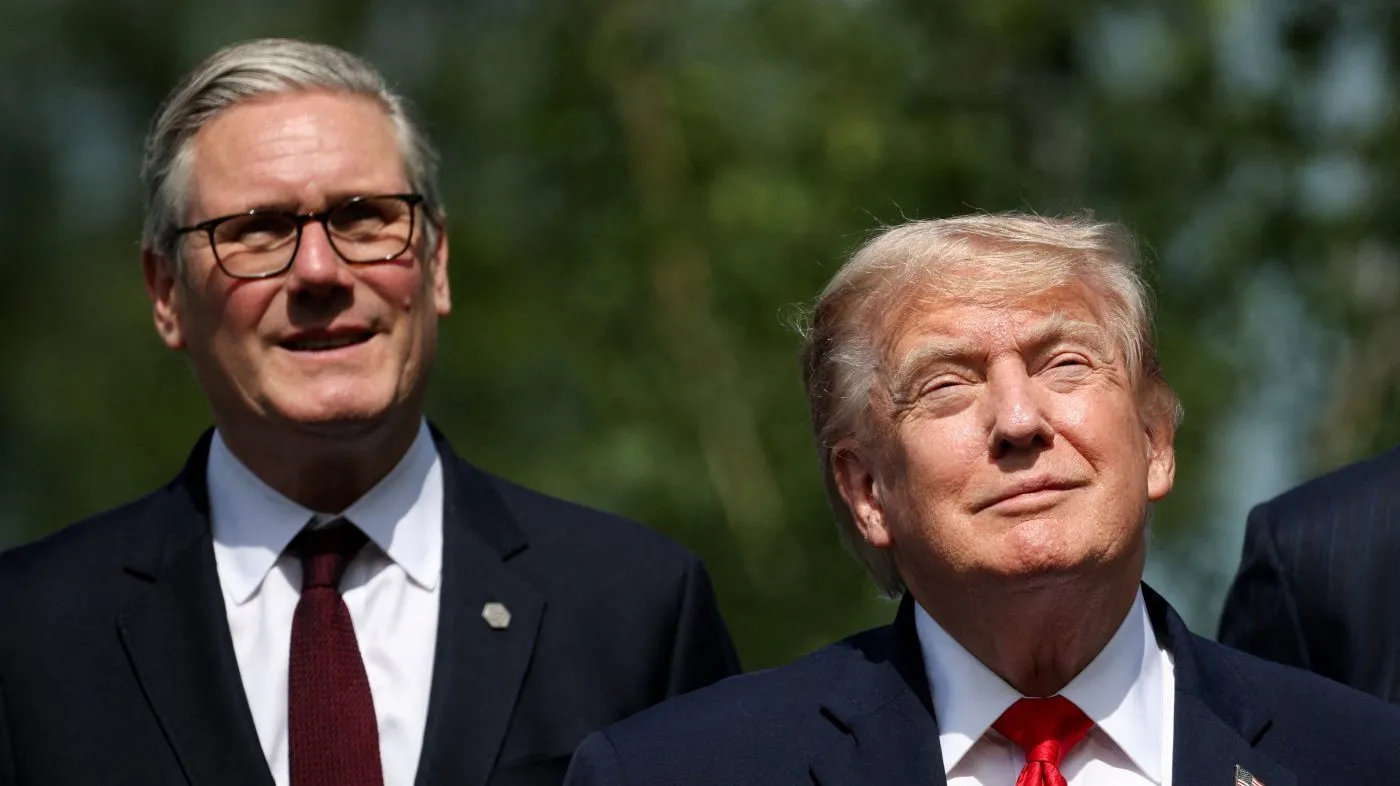
Provpnadvice.com – On Sunday, President Trump made a bold assertion that British Prime Minister Keir Starmer is on the verge of stepping down from his role, a claim that aligns with recent tensions surrounding the U.K. leader. The statement, shared on social media, reflects Trump’s ongoing critique of Starmer’s leadership, which has been marked by internal and external pressures.
Trump’s Social Media Claim
Trump’s remarks came in the form of a concise yet pointed message on Sunday morning, where he declared,
“Keir Starmer will resign as Prime Minister of The United Kingdom. He failed badly on two very important subjects—immigration and energy (OPEN NORTH SEA OIL!). I wish him well!”
This declaration followed a period of scrutiny for Starmer, who has faced growing challenges in maintaining public and political support.
The U.K. leader, who has been in office since July 2024, is now navigating a critical juncture. Reports suggest that Starmer may soon begin preparing to leave his position, potentially as early as Monday. According to The Associated Press, multiple government insiders have expressed confidence that the prime minister could announce a timeline for his departure soon. The BBC further noted that Starmer’s leadership is under increased pressure, with some within his party advocating for his resignation.
Leadership Challenges and Internal Pressure
Starmer’s potential exit comes amid a series of political hurdles. The Associated Press highlighted that he is facing a pivotal decision: either remain in his role or engage in a leadership contest within the Labour Party, which would pit him against fellow member Andy Burnham. While Starmer has publicly stated his intention to continue as prime minister, the sentiment within his party has shifted, with more members questioning his effectiveness.
Recent months have seen a decline in public confidence toward Starmer. His administration has struggled to deliver on key promises, particularly in the areas of economic growth and cost-of-living improvements. The AP reported that these shortcomings have fueled discontent among both the public and party members, casting doubt on Starmer’s ability to secure a second term. Additionally, his handling of immigration and energy policies has come under fire, with Trump emphasizing the latter as a major point of criticism.
Starmer’s leadership is also being tested by the appointment of Peter Mandelson as U.K. ambassador to the United States. Mandelson’s connection to the late convicted sex offender Jeffrey Epstein has raised eyebrows, with some accusing the selection of undermining Starmer’s credibility. This controversy adds to the growing list of challenges that the prime minister must address, further complicating his position.
Historical Context of Resignations
Starmer’s potential resignation would follow a pattern seen in recent U.K. history. According to the AP, five prime ministers have stepped down within the last decade, each facing similar pressures from within their parties or the public. This trend underscores the volatile nature of British politics, where leaders often must contend with shifting alliances and mounting expectations.
The current situation highlights the delicate balance of power within the Labour Party. Starmer’s tenure has been marked by both progress and setbacks, with his policies on climate change, healthcare, and social welfare receiving mixed reviews. While some supporters praise his commitment to unity and reform, critics argue that his decisions have led to stagnation and internal discord.
Political analysts suggest that Starmer’s challenges are not isolated incidents but part of a broader narrative. His party has been divided on key issues, and the leadership contest could serve as a catalyst for further change. The outcome of this situation may have significant implications for the U.K.’s political landscape, particularly in the context of upcoming elections and the party’s ability to maintain its mandate.
Broader Implications and Public Reaction
Trump’s comments, while often seen as provocative, resonate with some of the criticisms that have emerged within the U.K. government. The U.S. president’s focus on immigration and energy has aligned with concerns that Starmer has not adequately addressed these issues. His emphasis on opening North Sea oil reserves has been interpreted by some as a direct challenge to Starmer’s energy policy, which has been criticized for prioritizing renewable sources over fossil fuels.
Starmer’s potential resignation could also impact the Labour Party’s strategy moving forward. The party has been under pressure to show stronger economic performance, and the current leadership’s struggles have led to calls for a new direction. With Trump’s remarks amplifying these concerns, the prime minister may face increased scrutiny from both domestic and international observers.
The Hill has reached out to the U.K. government for further comment on the matter, seeking additional insights into Starmer’s position and the potential for his resignation. As the situation develops, the political dynamics in Britain will likely remain a focal point for media coverage and public debate.
In summary, the interplay between Trump’s public statements and the internal pressures on Starmer illustrates the complex nature of political leadership. Whether Starmer will resign or continue in his role remains uncertain, but the current climate suggests that his position is more precarious than it has been in recent years. The outcome of this leadership crisis could shape the future of the Labour Party and influence the U.K.’s political trajectory in the months ahead.