Make Russia pay for its illegal aggression and war crimes

House Vote Targets Russia’s Aggression and Bolsters Ukraine
Provpnadvice.com – Former Republican Rep. Kevin Kiley of California, now an Independent, has triggered a pivotal moment in congressional action against Russia. His endorsement of a discharge petition led by Rep. Gregory Meeks (D-N.Y.) marks a critical step toward holding Moscow accountable for its invasion of Ukraine and associated war crimes. This move underscores growing bipartisan momentum to counter Russian aggression, even as President Trump challenges the urgency of further aid.
Discharge Petition Sparks Immediate Action
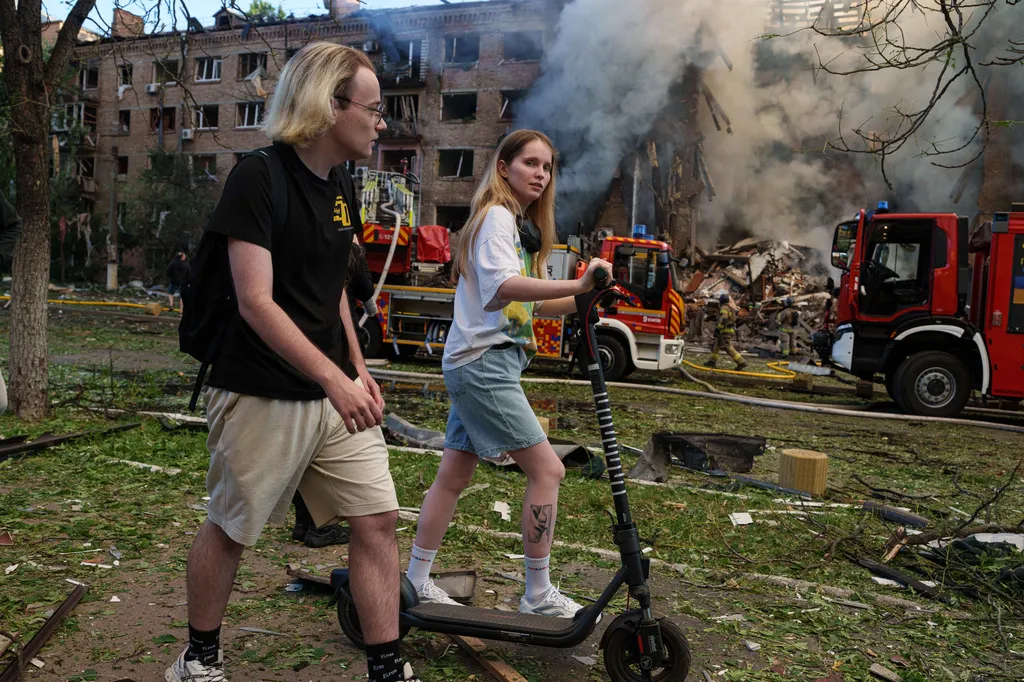
The discharge petition, which bypasses procedural delays to force a vote on legislation backed by a majority of House members, has opened the door for a floor vote on Meeks’s Ukraine Support Act. This bill includes provisions to intensify sanctions on Russia, authorize up to $8 billion in Foreign Military Financing for Ukraine, and reaffirm U.S. backing for Kyiv’s NATO alliance. By enabling this vote, Congress can demonstrate unified support for Ukraine’s five-year struggle against Russian military occupation and atrocities, including the detention of Ukrainian children.
“Russia’s entry into the Middle East war as a belligerent alongside Iran, combined with its devastating air strikes on Ukrainian territory after the recent pause in hostilities, provides ample justification for Congress to act,” stated a source familiar with the legislation.
The significance of this vote lies not only in its immediate consequences but also in its broader implications. It sets a precedent for expediting other bills targeting Russia, potentially creating a legislative pipeline to address multiple facets of Moscow’s aggression. This flexibility could be crucial in ensuring swift and effective measures to aid Ukraine while reducing reliance on presidential approval.
PEACE Act Offers Financial Leverage Against Russia
A key component of the legislative strategy is the PEACE Act, which passed the House Financial Services Committee in July 2023 with a decisive 53-1 vote. This bill accelerates the seizure of Russian assets held in U.S. banks, allowing Ukraine to access these funds for purchasing defense equipment. Estimates suggest that up to $50 billion in Russian assets are frozen within the United States, with a global total of $300 billion. If transferred to Kyiv, these resources could significantly bolster Ukraine’s military capabilities.
By enabling Ukraine to directly acquire U.S. weapons and supplies, the PEACE Act introduces a new dimension to the conflict. It not only provides Kyiv with immediate financial relief but also forces Russia to confront the economic repercussions of its actions. The bill’s provisions, though previously stalled by Republican leadership, highlight a strategic opportunity to weaken Moscow’s financial position and strengthen Ukraine’s defense posture.
Amendments Could Expand Legislative Impact
With the discharge petition process in motion, lawmakers are now exploring amendments to amplify its effect. For instance, Rep. Brian Fitzpatrick (R-Pa.), co-chair of the Congressional Ukraine Caucus, has indicated plans to introduce his own legislation. The Peace through Strength against Russia Act includes targeted sanctions that could further isolate Moscow, particularly as it deepens its alliance with Iran in the Middle East.
One proposed amendment aims to eliminate the president’s current authority to decide the fate of Russian funds. Instead, it would mandate automatic seizure and transfer of these assets to Ukraine, ensuring no delay in their utilization. This change could also require Kyiv to purchase U.S.-manufactured defense items, such as drones, to offset the war effort. Such a clause would not only align with existing trade agreements but also ensure that U.S. industries benefit from the military escalation.
Complementary Legislation Strengthens the Case
Additional bills, like Mike McCaul’s (R-Texas) Decreasing Russian Oil Profits Act, could complement the discharge petition’s objectives. This legislation targets the financial lifelines of Russia’s military machine by restricting oil revenue, a move that aligns naturally with the PEACE Act’s focus on asset seizures. Another proposed resolution condemns the abduction of Ukrainian children by Russian forces and demands their return as part of any peace agreement, reinforcing the human cost of the conflict.
Together, these measures form a cohesive package that could secure a veto-proof majority in both the House and Senate. By addressing economic, military, and humanitarian dimensions of the crisis, Congress can present a unified front against Russia. The result would be a stronger Ukraine, a weakened Russia, and a demonstration of American resolve in the face of geopolitical challenges.
Supporters of the legislation argue that the financial tools available to Congress are underutilized. For example, the PEACE Act’s ability to leverage frozen assets could provide Ukraine with the resources needed to sustain its counteroffensive. With Russia’s assets estimated at $50 billion domestically, the potential impact of a streamlined transfer process is substantial. This approach would also allow the U.S. to extend its influence beyond the battlefield, supporting Ukraine’s long-term security and stability.
Moreover, the discharge petition’s success could inspire a wave of similar actions. Lawmakers might replicate the process to fast-track other bills, ensuring that Ukraine receives consistent support. This strategy would reduce the risk of congressional gridlock and maintain pressure on Russia as the war continues. The bipartisan nature of the initial vote suggests a strong foundation for future collaboration, even as political divisions persist in the White House.
As the conflict in Ukraine enters its fifth year, the House vote represents a turning point. It not only addresses immediate needs but also lays the groundwork for a sustained campaign to hold Russia accountable. By prioritizing legislative action over executive discretion, Congress can ensure that Ukraine’s fight is funded and fortified without burdening U.S. taxpayers. This shift in power dynamics underscores the importance of congressional oversight in shaping the nation’s foreign policy response.
In a world where Russia’s aggression extends beyond Europe, the U.S. must act decisively. The combination of sanctions, financial aid, and military support through legislation like the PEACE Act and Fitzpatrick’s proposal offers a multifaceted strategy. This approach not only weakens Russia’s economic and military leverage but also reinforces Ukraine’s position as a key ally in the global fight against authoritarian expansion. The House’s decision to move forward with these measures signals a commitment to justice and collective security, setting a new standard for congressional engagement in international conflicts.