UK intercepts Russian shadow fleet oil tanker in English Channel

UK Intercepts Russian Shadow Fleet Oil Tanker in English Channel
A Strategic Move Against Kremlin’s Supply Chains
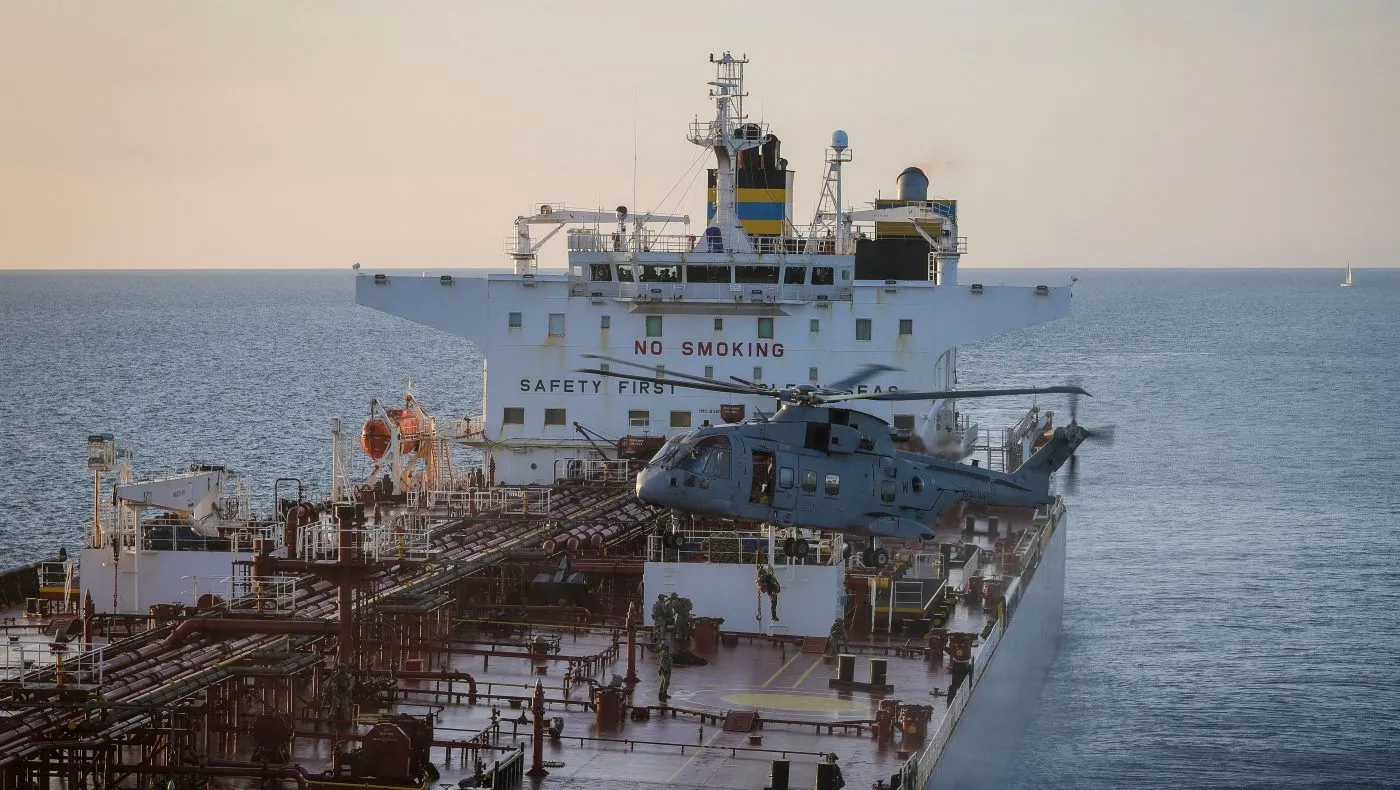
Provpnadvice.com – On Sunday, the United Kingdom’s military forces conducted a significant operation by seizing a Russian oil tanker as part of a broader effort to disrupt the shadow fleet system. This action marks a pivotal moment in the ongoing conflict with Ukraine, where the UK aims to weaken Russia’s financial capabilities by cutting off critical energy exports. The interception occurred in the English Channel, a key maritime route connecting Europe to the Mediterranean, underscoring the strategic importance of the region in global trade and warfare.
“In the early hours of this morning, I directed our Armed Forces to intercept a shadow fleet oil tanker attempting to pass through the English Channel,” stated U.K. Prime Minister Keir Starmer in a Sunday social media post. This statement highlighted the UK’s proactive stance against Russia’s covert operations, which have been a focal point of international sanctions and diplomatic pressure.
Starmer emphasized that the operation serves as a “blow” to the Kremlin, targeting its ability to sustain the war in Ukraine. He reiterated the UK’s commitment to preventing Russia from using alternative routes to bypass sanctions, a strategy that has been widely criticized for allowing the country to continue funding its military campaigns. The move also signals a renewed effort to hold Moscow accountable for its actions on the global stage.
Details of the Seized Vessel
The intercepted tanker, named *Smyrtos*, was sailing under the flag of Cameroon, a country often used as a neutral flag for Russian vessels to evade scrutiny. According to The Associated Press, the ship departed from a port in the Russian Baltic Sea last week with the intent to reach Port Said, Egypt. This route is significant because it allows Russia to circumvent direct restrictions on its oil exports, particularly those imposed by Western nations.
Analysts suggest that the shadow fleet, comprising over 700 vessels, plays a crucial role in enabling Russia to continue its military operations despite international sanctions. These ships are used to transport sanctioned oil through less monitored routes, ensuring a steady flow of revenue to the Kremlin. The UK’s action against *Smyrtos* is seen as a direct challenge to this system, targeting the financial lifelines that support Russia’s war efforts.
Support from Ukraine and Allies
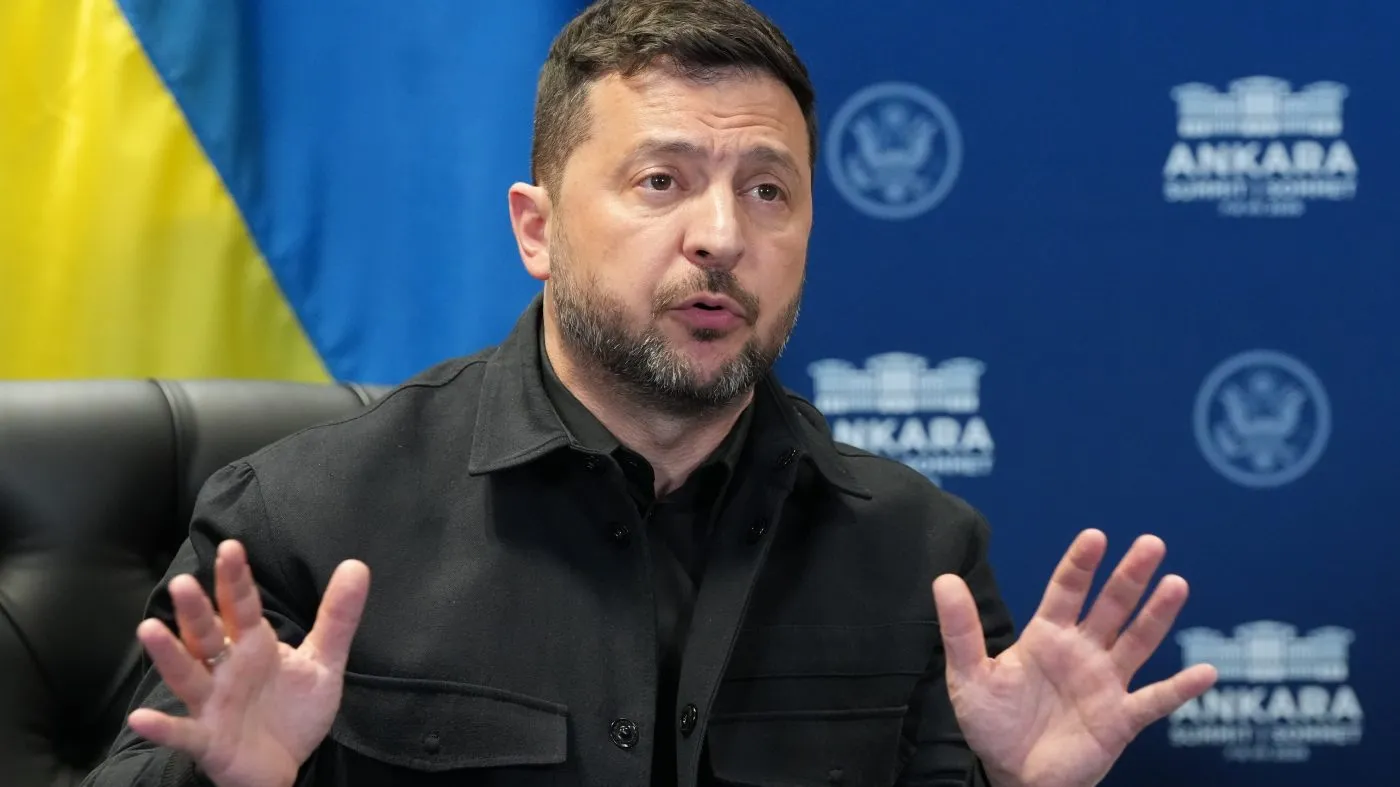
Ukrainian President Volodymyr Zelensky praised the UK’s intervention, expressing gratitude for its continued enforcement of sanctions against Russia. In a statement, Zelensky noted that the operation not only deprives Russia of essential funds but also limits the scope of its military campaign in Ukraine. “This effort deprives Russia of money and also limits the war itself,” he wrote, emphasizing the dual impact of the UK’s actions.
Zelensky’s comments come amid growing concerns about the United States easing sanctions on Russian oil. The U.S. has allowed four months of relaxed restrictions, which has raised fears that Moscow could regain economic strength. Senate Democrats and Ukrainian officials have called on Washington to reinstate these sanctions, arguing that doing so would increase pressure on Russia to end its invasion of Ukraine. The UK’s move aligns with this goal, demonstrating its role as a key player in the sanctions regime.
UK’s Leadership in Sanctions Enforcement
Speaking about the intercepted vessel, U.K. Defense Secretary Dan Jarvis underscored the country’s leadership in combating Russia’s shadow fleet. “Responsible for carrying 75 percent of Russia’s sanctioned oil, the shadow fleet of over 700 vessels provides a critical lifeline for the Kremlin,” Jarvis stated. He explained that this network supplies the war fund necessary for Russia’s military operations, including missiles and drones targeting Ukrainian civilians.
“The UK is a leader in tackling the shadow fleet, having already sanctioned over 500 vessels. And these sanctions are working, Russia’s oil and gas revenues fell by 24 percent year-on-year in 2025,” Jarvis added. This data highlights the tangible economic effects of the UK’s policies, which have been part of a coordinated effort with other nations to cripple Russia’s financial resources.
UK’s interception of *Smyrtos* is the first of its kind, showcasing a new level of military and economic coordination. The operation not only disrupts Russia’s supply chains but also sends a strong message to potential allies and neutral nations. By targeting vessels that sail under different flags, the UK aims to create a more comprehensive barrier against Russia’s ability to fund its aggression.
Geopolitical Implications of the Summit
As the UK solidifies its position in the sanctions battle, the upcoming Group of Seven (G7) summit in France will provide a platform for further international collaboration. Prime Minister Starmer is set to meet with U.S. President Donald Trump and other global leaders, discussing the broader implications of the conflict in Ukraine and its impact on global energy markets. The summit will also address the ongoing war in Iran, where the U.S. has eased sanctions on Russian oil, potentially affecting the UK’s strategy.
The G7 summit is expected to focus on coordinated measures to reduce Russia’s economic influence, including the reinforcement of sanctions and the expansion of supply chain disruptions. The UK’s interception of *Smyrtos* is a clear demonstration of its readiness to act decisively in the face of Russian defiance. Analysts believe this operation could influence the decisions made by other G7 members, particularly the U.S., which has been under pressure to maintain strict sanctions on Russian energy exports.
With the UK’s intervention in the English Channel, the message is unequivocal: Russia’s attempts to bypass sanctions and sustain its war efforts will face increasing resistance. The success of this operation may also encourage other nations to adopt similar tactics, further tightening the noose around Moscow’s financial activities. As the conflict in Ukraine continues, the UK’s actions are likely to shape the trajectory of international sanctions and the global response to Russian aggression.
Experts warn that while the UK’s success is a victory, the long-term effectiveness of the shadow fleet strategy remains uncertain. Russia has shown resilience in adapting to sanctions, and the interception of *Smyrtos* is just one step in a larger, ongoing battle. The UK’s commitment to this effort reflects a broader geopolitical shift, where economic warfare is becoming as critical as military confrontation in the fight against Russia’s expansionist policies.
As the world watches the developments in the English Channel, the UK’s actions serve as a reminder of the interconnectedness of global economies and the power of coordinated sanctions. The stakes are high, with the potential to reshape the dynamics of the conflict in Ukraine and influence the future of international relations. The intercepted tanker, *Smyrtos*, is not just a symbol of Russia’s vulnerability but also a testament to the UK’s resolve in the face of global challenges.