Trump plans to loosen methane rules for low-producing, high-emitting oil wells

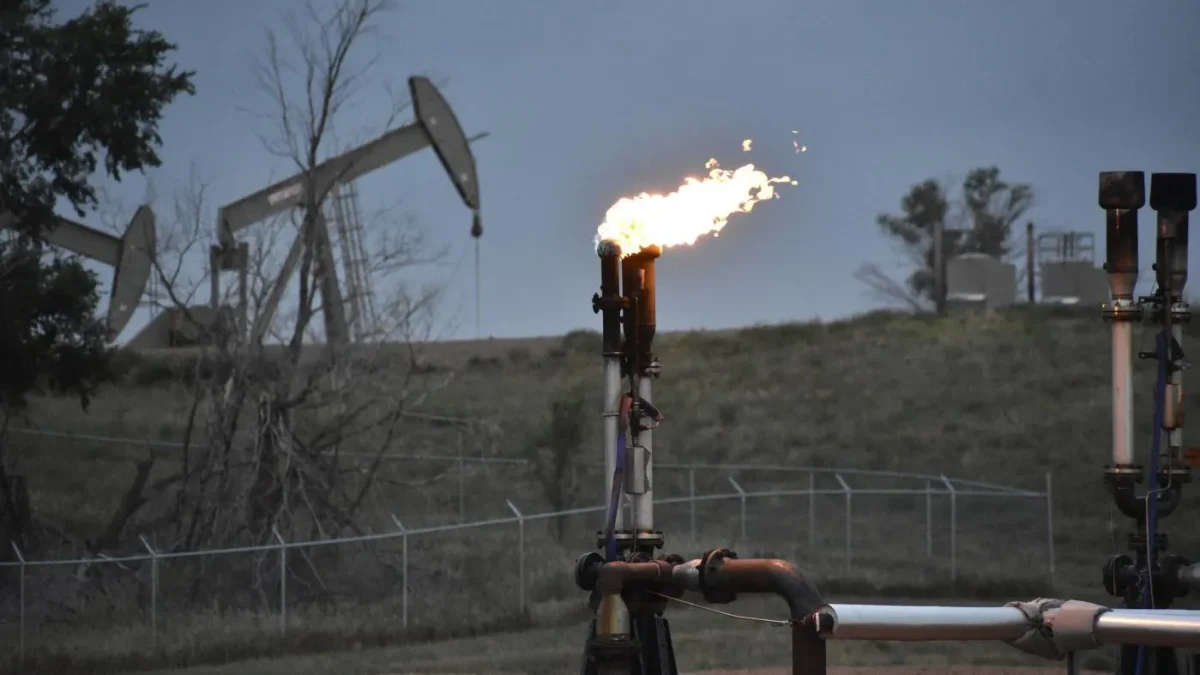
Table of Contents
Trump Plans to Loosen Methane Rules for Oil Wells
Provpnadvice.com – Trump plans to loosen methane rules affecting low-producing oil and gas wells that release a disproportionate amount of the industry’s methane pollution. The proposed changes would reduce requirements for marginal wells while easing other Biden-era limits on oil and gas operations.
The administration is expected to present the proposal as part of its broader effort to increase domestic energy production and reduce regulatory costs for producers. The announcement is expected during a Texas rally, where oil and gas development remains a major part of the state economy.
Why marginal wells are central to the proposal
Marginal wells generate relatively small volumes of oil or natural gas, but they are responsible for an outsized share of methane emissions. They produce an estimated 7 percent of U.S. oil and gas supplies while accounting for roughly half of methane emissions from the sector.
Methane is the main component of natural gas and a potent heat-trapping gas. It is estimated to warm the planet about 28 times more strongly than carbon dioxide over a comparable period and is responsible for about one-quarter of global warming.
Oil and gas facilities can release methane through leaking equipment, venting and incomplete combustion. Emissions may occur during drilling, production, processing, storage and transportation.
Potential savings and additional production
Trump plans to loosen methane requirements in a move the administration estimates could save oil and gas companies $45 billion. It projects that the changes could allow an additional 210 million barrels of oil and 1.41 trillion cubic feet of natural gas to be produced between 2027 and 2050.
Those totals are meaningful, but modest compared with typical national consumption. The United States uses about 21 million barrels of oil each day and around 92 billion cubic feet of natural gas daily. The projected additional oil equals roughly 10 days of U.S. oil use, while the additional gas is comparable to about 15 days of consumption.
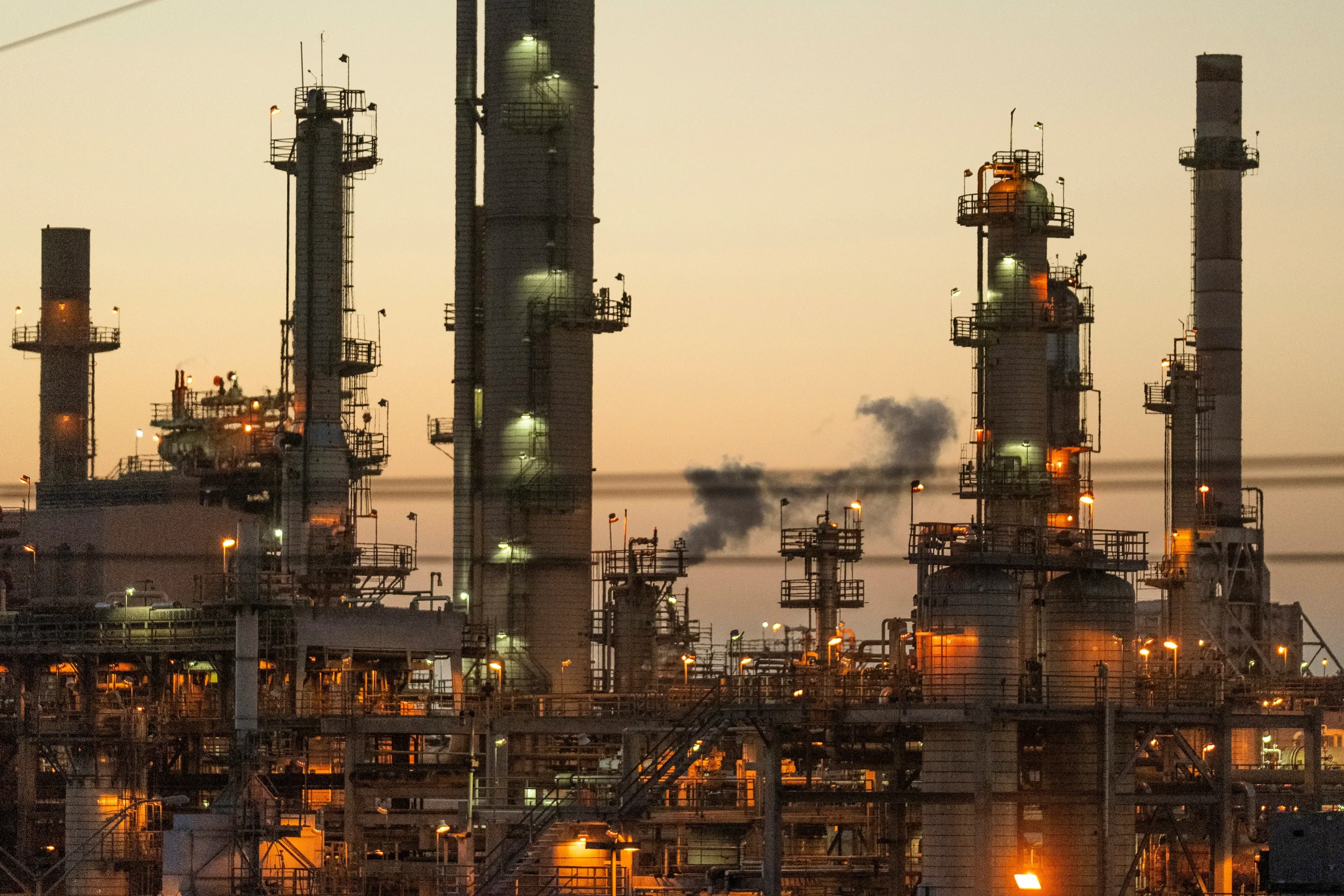
The proposed revisions would also affect wider industry requirements, including Biden-era standards designed to phase out certain flaring practices. Flaring burns excess natural gas produced alongside oil when companies do not capture, transport or use it.
A reversal of Biden-era methane policy
The proposal would represent a significant shift from standards adopted under President Biden. In 2023, the Biden administration strengthened methane requirements for oil and gas operations, estimating that the rules would prevent 58 million tons of methane emissions from 2024 through 2038.
The administration said that reduction would have a climate effect comparable to taking 28 million gasoline-powered cars off the road for one year. The rules were part of a broader effort to monitor major leaks and reduce emissions from the energy sector.
Earlier this month, the Environmental Protection Agency indicated that it intends to eliminate the Biden-era Super Emitter Program. The program required companies to respond to credible reports of major methane leaks. The administration has already halted the program and is expected to pursue its formal repeal.
The debate over the proposal centers on whether lower compliance costs and continued production from marginal wells outweigh concerns about their relatively high methane emissions.
What the proposal could mean for Texas
Texas is a major U.S. oil and gas producer, making federal methane policy particularly relevant to operators and communities across the state. Supporters of the changes argue that smaller producers could face fewer costs and be better positioned to keep lower-producing wells operating.
Critics are likely to focus on the high share of methane emissions linked to marginal wells. They may argue that reduced oversight could make it harder to limit leaks and other emissions from wells that contribute relatively little fuel supply.
FAQ: Trump’s proposed methane rule changes
Will the methane rules change immediately? No. The proposal must go through the federal rulemaking process before it can take effect. That process generally includes publication of a draft rule, a public-comment period and a final agency decision.
Which wells would be most affected? The biggest impact would likely fall on marginal wells, which have low production but contribute a large share of methane emissions from the oil and gas sector.
Why does methane matter? Methane has substantial near-term warming effects and is a major contributor to global warming. Reducing leaks and venting is one way regulators seek to limit emissions from energy production.
What happens next? Trump plans to loosen methane rules through a formal federal proposal, after which the public, energy companies and environmental groups will have an opportunity to weigh in before any final changes are made.