Trump considering moving White House press corps

Table of Contents
Trump Weighs Relocating White House Press Corps
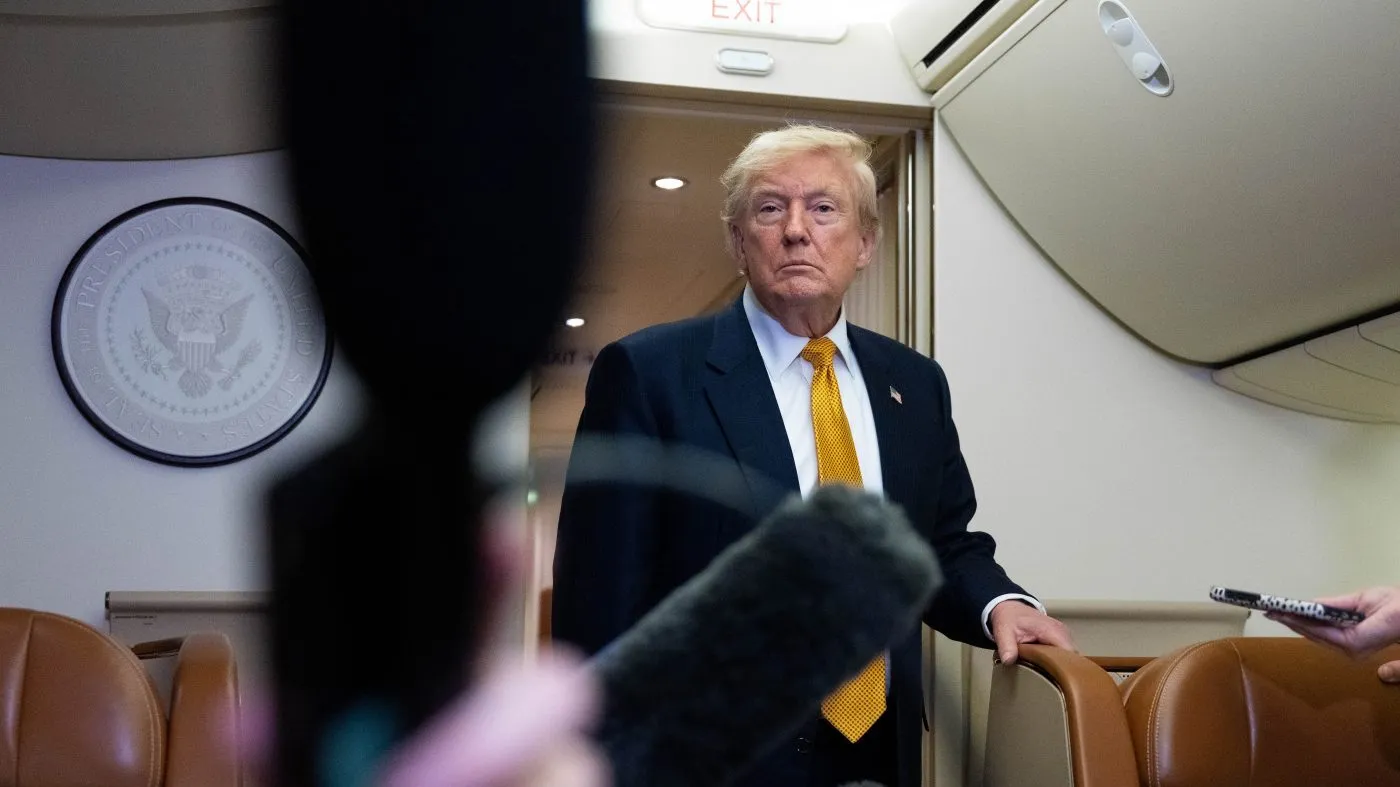
Provpnadvice.com – President Trump says he is considering moving the White House press corps out of its longtime workspace near the West Wing, while firmly denying that the briefing room will be converted back into a swimming pool.
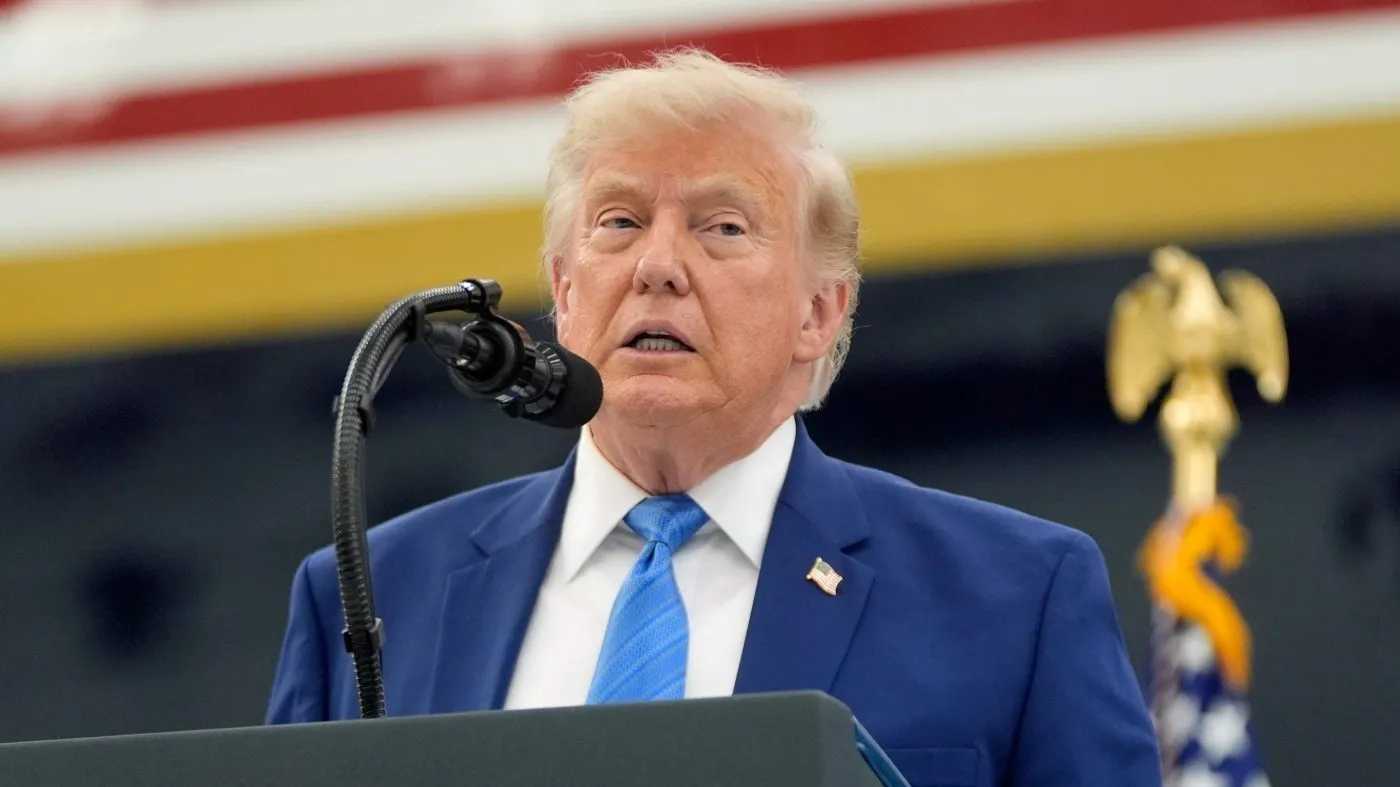
In a lengthy Truth Social post Sunday focused largely on comedian Bill Maher, Trump said he had no plan to build a pool in the White House Briefing Room. He indicated, however, that the space used by reporters could be reassigned for another purpose.
“Also, I am not building a swimming pool in the White House Briefing Room, and never had any intention of doing so,” Trump wrote. “I am thinking about moving the Press, and putting them in a different location, but I will use that location for very badly needed space.”
The possibility of moving reporters would affect a room that has become a central part of modern White House communications. The briefing room, where press secretaries hold televised briefings and reporters work during the day, was built over a former indoor pool.
A Pool Beneath the Briefing Room
The indoor pool was installed in 1933 during the administration of President Franklin D. Roosevelt. Decades later, President Richard Nixon had the pool covered so the area could be used as a press briefing space.
Recent discussion about the room followed reports that Trump had told aides he wanted to restore the old pool. Trump rejected that suggestion in a Truth Social post Saturday, calling the claims “Fake News” and suggesting that he might instead move the “Fake News” press to a “less obnoxious location.”
He later repeated that the pool itself would not return.
“The old swimming pool will never be brought back. I NEVER even thought to do such a stupid thing,” Trump said.
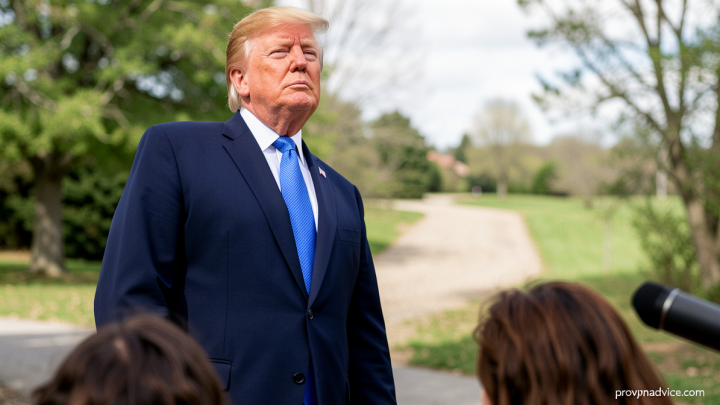
Trump did not identify a potential new location for the press corps or provide details about what additional space he believes the current briefing-room area could provide. Any relocation would raise practical questions about how reporters could attend briefings, respond to fast-moving events and maintain access to daily White House activity.
Part of a Wider Dispute Over Press Access
The comments arrive amid broader friction between the Trump administration and members of the press. The administration has made several efforts to limit media access at both the White House and the Pentagon, intensifying debate over how reporters cover the presidency and other federal institutions.
One recent dispute involved Andrew Feinberg of The Independent, who was removed from his print press pool assignments after Trump criticized him in the Oval Office. The press pool is a smaller group of journalists permitted to accompany the president and share information with the wider media community when access is limited.
White House Correspondents’ Association President Jacqui Heinrich condemned Feinberg’s removal, describing the decision as “retaliation.” Her objection underscored a recurring concern among journalists: that access decisions could be influenced by coverage or by a reporter’s questioning of the administration.
Heinrich also criticized an earlier White House move involving Politico, CNN and MS NOW. Those organizations were barred from the White House earlier this year, but a federal judge blocked Trump’s ban, finding that the outlets were likely denied sufficient due process.
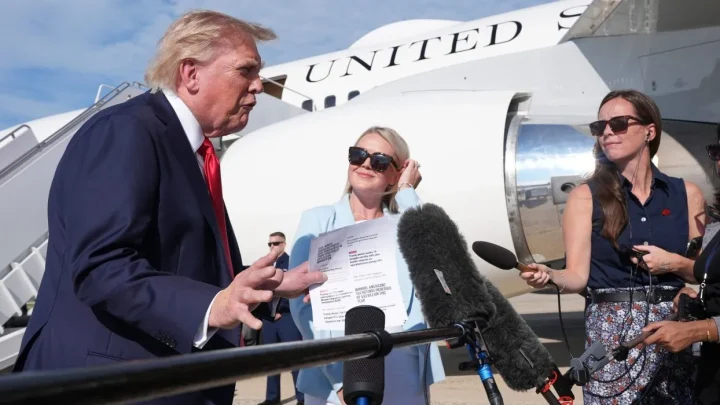
The ruling did not end every access disagreement. CNN reporters, like Feinberg, remain unable to participate in the Air Force One press pool. That limitation matters because pool reporters are often the only journalists present during presidential travel, allowing them to relay developments to other news organizations and the public.
White House Defends Its Authority
The White House has argued that access to sensitive presidential locations is not guaranteed. A spokesperson said no journalist has a constitutional entitlement to enter the Oval Office, fly on Air Force One or enter other private and secure facilities.
“No person and no journalist has a constitutional right to access the President’s Oval Office, Air Force One, or other sensitive and private facilities,” the spokesperson said.
The spokesperson also accused some publications of publishing false or fabricated material and argued that physical proximity becomes less important when outlets do not accurately cover the administration.
“When publications lie, fabricate, and ignore the truth, proximity matters less and they can write their fiction from outside of these secure facilities,” the spokesperson said.
The dispute illustrates the tension between a president’s control over secure government spaces and the press corps’ role in observing the executive branch. The White House can set access rules for facilities under its control, while journalists and press organizations frequently argue that consistent access is necessary for meaningful public accountability.
For now, Trump has confirmed only that a move is under consideration. His comments rule out restoring the historic pool but leave open the prospect of a different arrangement for the reporters who have long worked steps away from the White House briefing podium.
Related Reading
Frequently Asked Questions
What is Trump considering moving White House press?
Trump considering moving White House press is the main topic of this guide. The article explains the context, practical details, and next steps readers should understand.
Why does Trump considering moving White House press matter?
Trump considering moving White House press matters because readers are looking for a useful answer, not just a short summary. Good content should match search intent and help them decide what to do next.