Marshall, Hamilton clash in battleground Kansas Senate debate: 4 takeaways

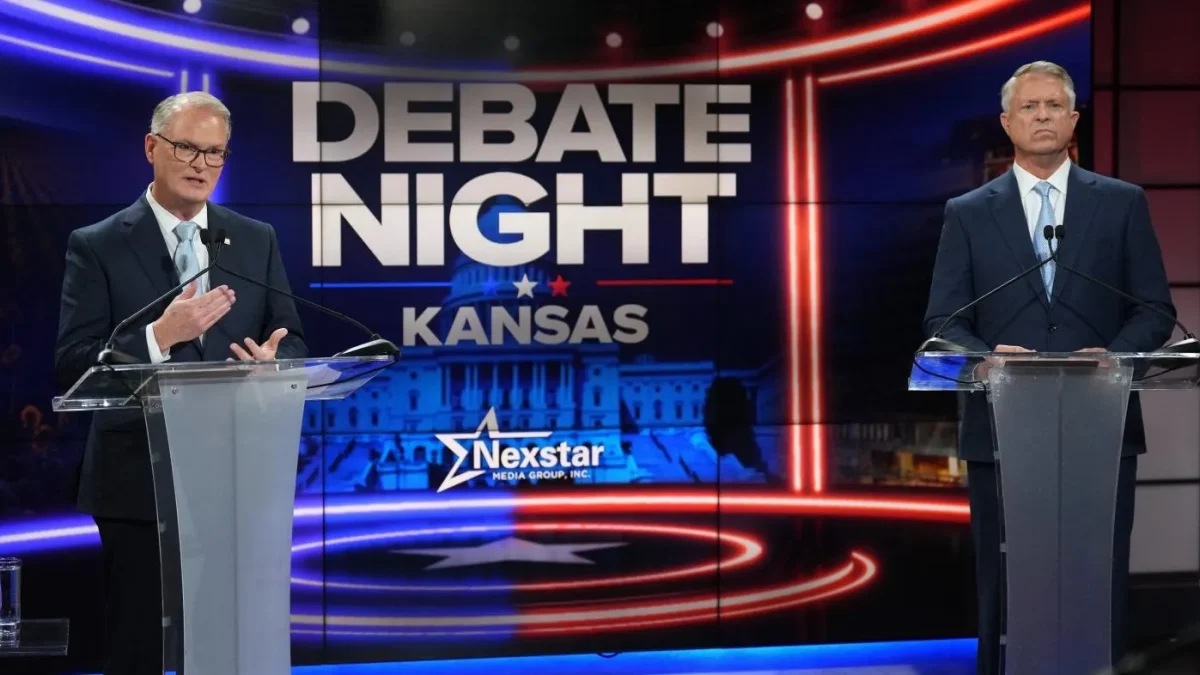
Table of Contents
Kansas Senate Debate Highlights a More Competitive Contest
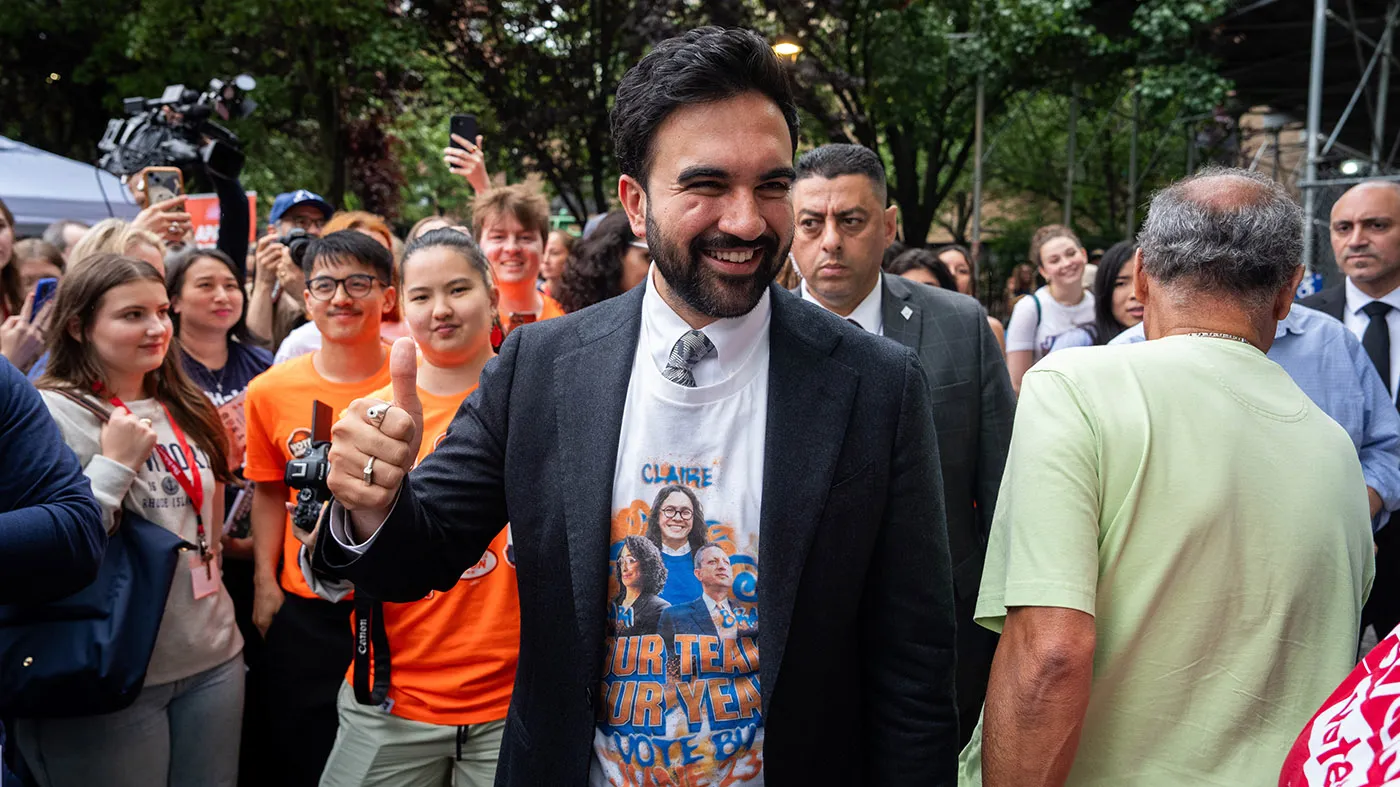
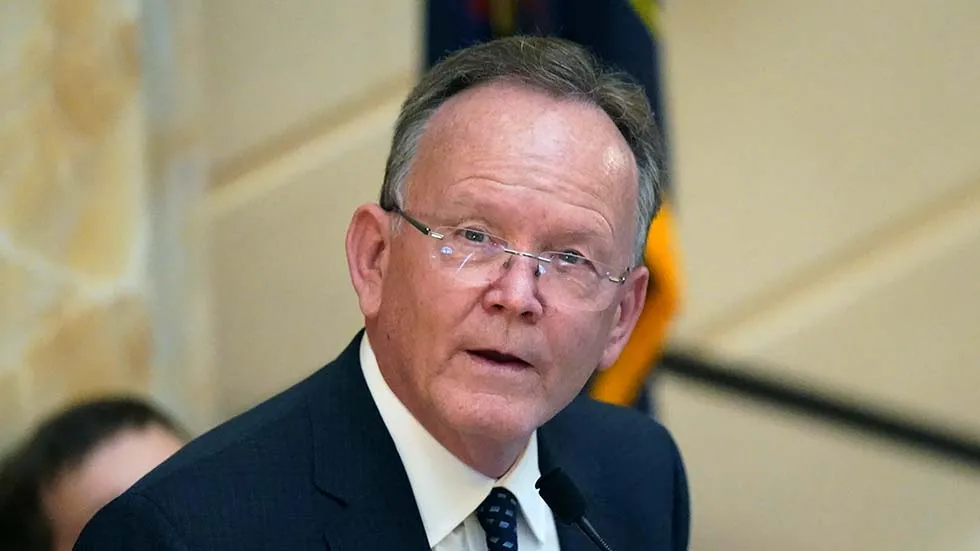
Provpnadvice.com – Republican Sen. Roger Marshall and Democratic challenger Adam Hamilton met Wednesday night for their final Kansas Senate debate, confronting a race that has drawn unexpected attention as analysts see a closer contest than many Republicans had expected.
Kansas has not sent a Democrat to the U.S. Senate since the 1930s, and the state backed President Trump by more than 10 percentage points in both of his presidential victories. Still, political conditions and Marshall’s association with Trump and the unpopular Iran war have helped give Hamilton an opening. Some election observers have placed the contest in toss-up territory, while Decision Desk HQ gives Marshall a narrow advantage, estimating his chance of victory at 65 percent.
Marshall Connects His Campaign to Trump’s Agenda
Marshall used the debate to make a direct appeal to Trump supporters, presenting his reelection as important to advancing the president’s priorities in Washington. He pointed to border security, military strength and tax policy as central issues for conservative voters.
“If you want the Trump agenda to continue, if you want secure borders, if you want a strong military, if you want lower taxes, you voted for President Trump, you need to come out because we delivered on those things,” Marshall said.
The senator also tried to show that his relationship with Trump does not mean complete agreement. He cited his opposition to a recent federal immigration operation in Kansas and his resistance to a White House proposal involving foreign beef imports intended to reduce prices.
“Just like with my wife, I can disagree with her,” Marshall said, adding that, while “my wife is always right, President Trump is not always right.”
Marshall argued that access to the president gives him an opportunity to raise concerns directly.
“But…it’s great that I have a relationship that I can pick up the phone and discuss with him the pros and cons of what he’s contemplating,” he continued.
That balancing act reflected a broader challenge for the incumbent: energizing a strongly Republican electorate while showing voters that he can represent Kansas interests independently when necessary.
Hamilton Seeks a Separate Identity From National Democrats
Hamilton, a pastor who previously considered an independent run before entering the race as a Democrat, worked to keep the focus on Marshall rather than on Trump. He emphasized that his candidacy is directed at the incumbent senator, not the president.
“I just want to say, I’m not running against President Trump,” Hamilton said, pointing toward Marshall. “I’m running against him.”
Hamilton had welcomed Trump to Kansas in a social-media video earlier in the week. During the debate, he said that support for his campaign has come from some Trump voters as well as from Democrats.
“I got a lot of Trump supporters who were supporting me as well, which has been very exciting,” Hamilton added.
Marshall repeatedly invoked prominent Democratic figures, including Senate Minority Leader Chuck Schumer, former President Biden and former President Obama, seeking to portray Hamilton as aligned with a national party that has historically struggled in Kansas.
Hamilton rejected that characterization. When Marshall suggested that he had helped Obama shape immigration policy, Hamilton responded that his career has been in ministry rather than politics.
Hamilton said he had been a pastor throughout his career and “didn’t develop policies with President Obama or anyone else.”
Obama did appoint Hamilton to the President’s Advisory Council on Faith-Based and Neighborhood Partnerships for a one-year term in 2016. Hamilton also repeated that he would not support Schumer as Senate majority leader if Democrats gained control of the chamber.
“I’ve already said I wouldn’t support Chuck Schumer for Senate Majority Leader if Democrats control the Senate,” Hamilton said.
The Democrat criticized the Biden administration’s handling of the southern border, describing its policy at the time as “a disaster.” Marshall remained unconvinced, arguing that Hamilton’s campaign support would ultimately tie him to Senate Democratic leadership.
“This guy’s funded by Chuck Schumer. He’ll be beholden to Chuck Schumer for forever, and that’s why we need to keep myself in that Senate seat,” Marshall said.
Rare Agreement on Transgender Sports Policy
Despite their broader differences, the candidates aligned on a major cultural issue. Asked about transgender athletes, both said there are two genders and both opposed biological men competing on girls’ sports teams.
Marshall and Hamilton also agreed that local authorities, rather than the federal government, should determine how such rules are regulated. Hamilton referred to his 12-year-old granddaughter while explaining his position, saying he did not want her competing against biological men.
The agreement offered a notable contrast to the rest of the debate, where the candidates presented sharply different political identities and competing arguments about who could best serve a state with deep Republican roots.
A Race Defined by Voter Coalitions
The debate underscored the central question facing Kansas voters: whether Marshall’s established Republican position and close ties to Trump will secure another term, or whether Hamilton can assemble support from Democrats, independents and dissatisfied Republicans while avoiding identification with national party leaders.
Hamilton’s effort to emphasize his pastoral background, his criticism of the Biden administration and his willingness to distance himself from Schumer appears designed for a state where national Democratic branding remains a difficult hurdle. Marshall, meanwhile, is counting on Kansas conservatives to view the contest as part of the larger fight over Trump’s agenda and control of the Senate.
Questions involving immigration, federal leadership, cultural policy and foreign affairs all surfaced during the event. On the Middle East, Hamilton entered a particularly difficult debate for Democrats, who remain divided over military assistance to Israel amid the humanitarian crisis in Gaza.
With the campaign approaching its conclusion, the final debate made clear that both candidates are pursuing voters beyond their most reliable political bases. Marshall is asking Kansans to reinforce a Republican Senate seat, while Hamilton is arguing that a Democrat can compete in a state where such victories have been absent for generations.
Related Reading
Frequently Asked Questions
What is Marshall Hamilton clash in battleground Kansas?
Marshall Hamilton clash in battleground Kansas is the main topic of this guide. The article explains the context, practical details, and next steps readers should understand.
Why does Marshall Hamilton clash in battleground Kansas matter?
Marshall Hamilton clash in battleground Kansas matters because readers are looking for a useful answer, not just a short summary. Good content should match search intent and help them decide what to do next.