Bessent says dropping oil prices before 2026 ends ‘will depend’ on Iran conflict

Table of Contents
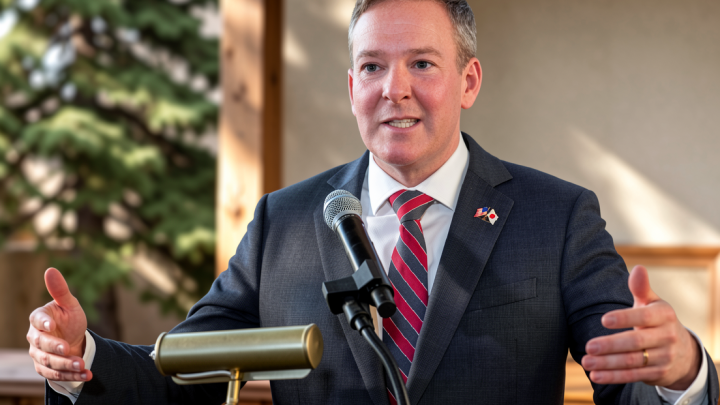
Oil Price Relief Tied to Course of Iran Conflict, Bessent Says
Provpnadvice.com – Treasury Secretary Scott Bessent said Sunday that Americans could see lower oil prices before 2026 closes, though he stressed that the outlook remains closely connected to the ongoing war involving Iran. His comments came as motorists continue to face elevated fuel costs and the administration argues that the recent increase reflects an external energy disruption rather than broader economic weakness.
Asked about the possibility of prices easing by the beginning of 2027, Bessent said the answer depends on developments in the conflict.
“Well, again, it will depend on what happens with the Iran conflict,” Bessent said.
Bessent characterized the jump in energy costs as a supply-side shock that began after the war started. He argued that other measures of consumer costs have improved and said the administration expects energy prices to retreat once the conflict’s effects diminish.
“This is an energy shock. We will get to the other side of the Iran conflict, and those prices will come down,” Bessent said.
He pointed to lower core inflation, declining rents and reductions in prescription drug prices as signs that the price pressures tied to fuel should be viewed separately from the wider economy. Bessent also said food costs were below the Federal Reserve’s targets, while describing prescription drug declines as the largest in history.
Inflation and Employment Remain Part of the Debate
The exchange also focused on responsibility for the economy under President Trump. Bessent said the administration accepts that responsibility, while highlighting private-sector hiring, household wealth and wage gains. He said the United States had added 1 million private-sector jobs this year and that the country had never had so many people employed. He also said American household net worth had reached a record high.
Wage growth, Bessent said, has remained steady throughout the conflict. However, inflation rose to 3.7 percent in September after standing at 3 percent when Trump took office. That increase has intensified political scrutiny of the administration’s claims about affordability, particularly as fuel expenses can affect household budgets directly and can also raise transportation costs across the economy.
“Well, we will own the economy,” Bessent said.
He maintained that the Iran-related energy disruption is only one element of the economic picture and said the administration expects conditions to improve after the conflict no longer affects supplies and markets as heavily.
Gas Prices Continue to Concern Drivers
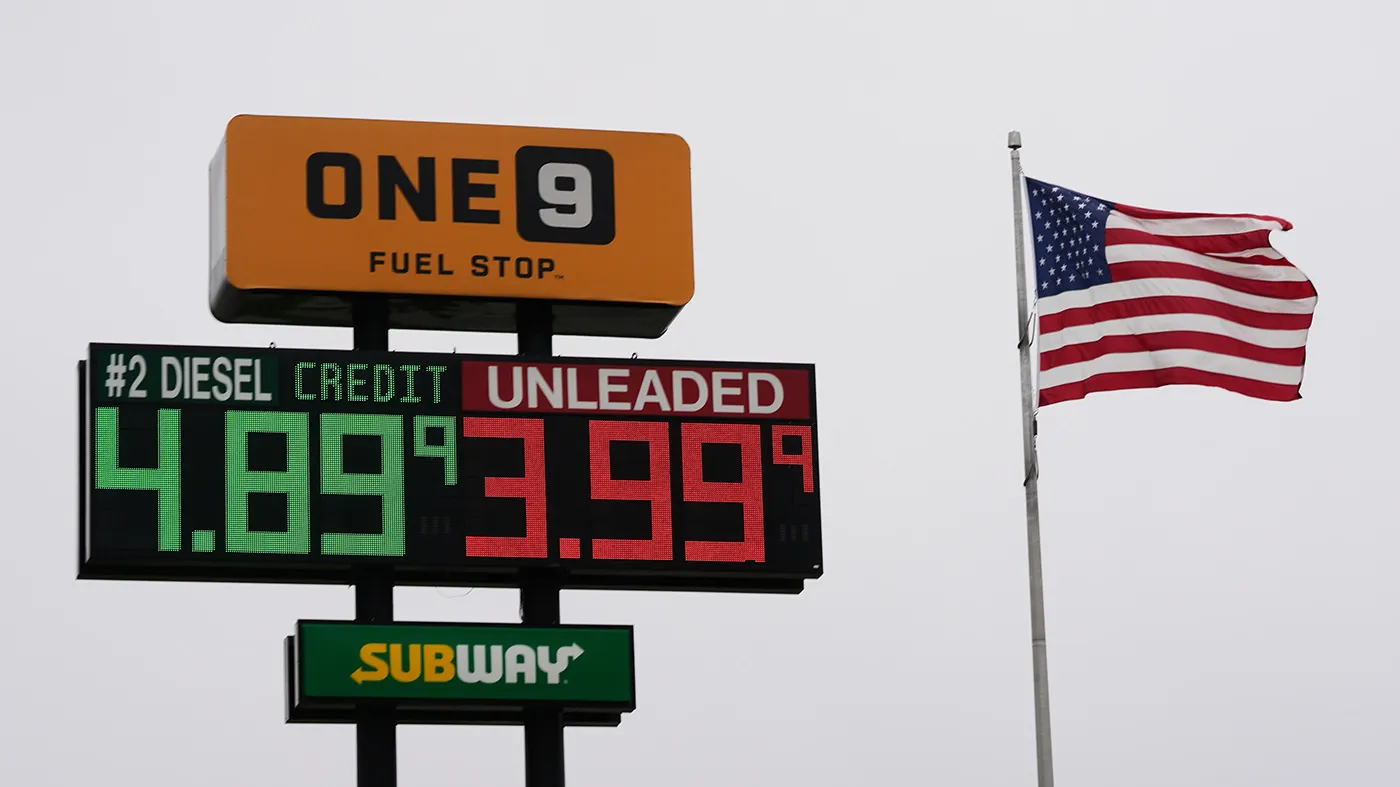
The national average price for a gallon of gasoline stood at $4.29 on Sunday, following a sharp rise during the nearly eight months since the Iran war began. A Fox News poll released last week found that 83 percent of Americans were concerned about high gasoline prices.
Gas prices are especially visible to consumers because they are paid frequently and can change quickly. Higher diesel prices can also carry broader implications, since diesel fuel is used throughout freight transportation and commercial activity. Even modest shifts in fuel costs can become a central measure of whether households feel economic conditions are improving.
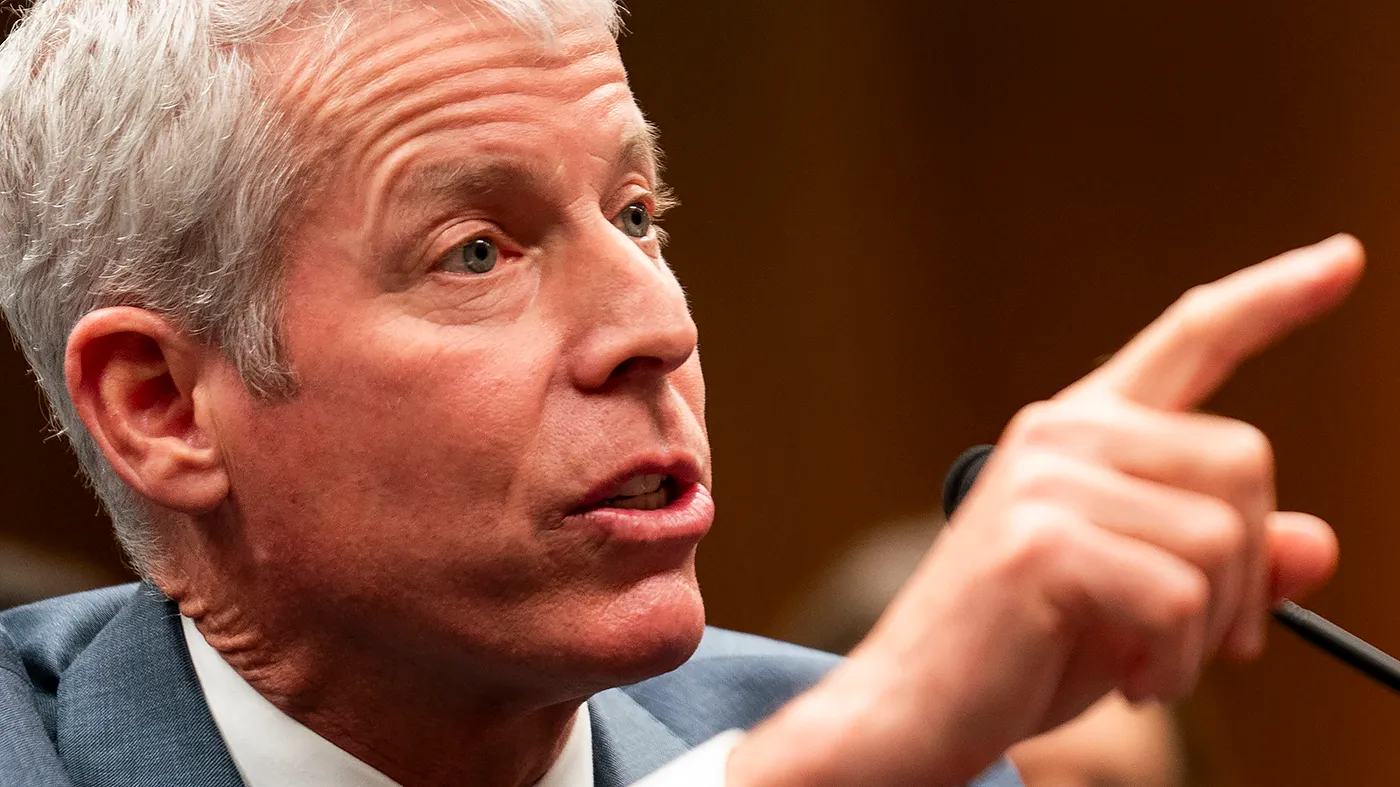
Energy Secretary Chris Wright said the administration still believes it is meeting its commitment to bring down gasoline prices. He acknowledged that current prices remain uncomfortable for drivers but said both gasoline and diesel had declined in recent weeks.
“No, of course I’m not comfortable but I’m happy they’re coming down,” Wright said.
“They have gone down the last few weeks, as have diesel prices, and they will continue to come down. That’s what President Trump works on every day,” he added.
The administration’s ability to make that case will depend in part on whether the recent downward movement continues. Consumers may see little relief if prices remain far above the levels that preceded the conflict, even if weekly averages begin to decline.
Russian Sanctions Draw Bipartisan Criticism
The energy discussion followed Trump’s decision Saturday to waive Russian sanctions included in a recent legislative package named for the late Sen. Lindsey Graham, a South Carolina Republican. The move came days after Trump reached an agreement with the Kremlin allowing diesel fuel to enter the United States and the global market.
The decision drew criticism from lawmakers in both parties, with opponents questioning whether easing restrictions on Russian energy would amount to rewarding a government that invaded Ukraine. Bessent defended the administration’s approach by saying Trump’s priority is ending the killing and that the Graham legislation provides the president with room to review circumstances over a 60-day period.
“President Trump has made it clear he wants the killing to stop,” Bessent said.
Bessent also questioned why the United States should carry the burden of restrictions when European nations continue to use Russian energy. He said the United States had not revoked sanctions imposed by former President Biden before the transfer of power to Trump in January 2025.
The dispute underscores the difficult balance facing the administration: reducing fuel costs for American consumers while maintaining pressure on Russia over its war in Ukraine. For now, Bessent’s forecast for lower oil prices remains conditional. A resolution or reduction in the Iran conflict could ease the energy shock he described, but the timing and scale of any price relief remain uncertain.
Related Reading
Frequently Asked Questions
What is Bessent says dropping oil prices before 2026?
Bessent says dropping oil prices before 2026 is the main topic of this guide. The article explains the context, practical details, and next steps readers should understand.
Why does Bessent says dropping oil prices before 2026 matter?
Bessent says dropping oil prices before 2026 matters because readers are looking for a useful answer, not just a short summary. Good content should match search intent and help them decide what to do next.