Judge refuses to block White House UFC fight

Judge refuses to block White House UFC fight
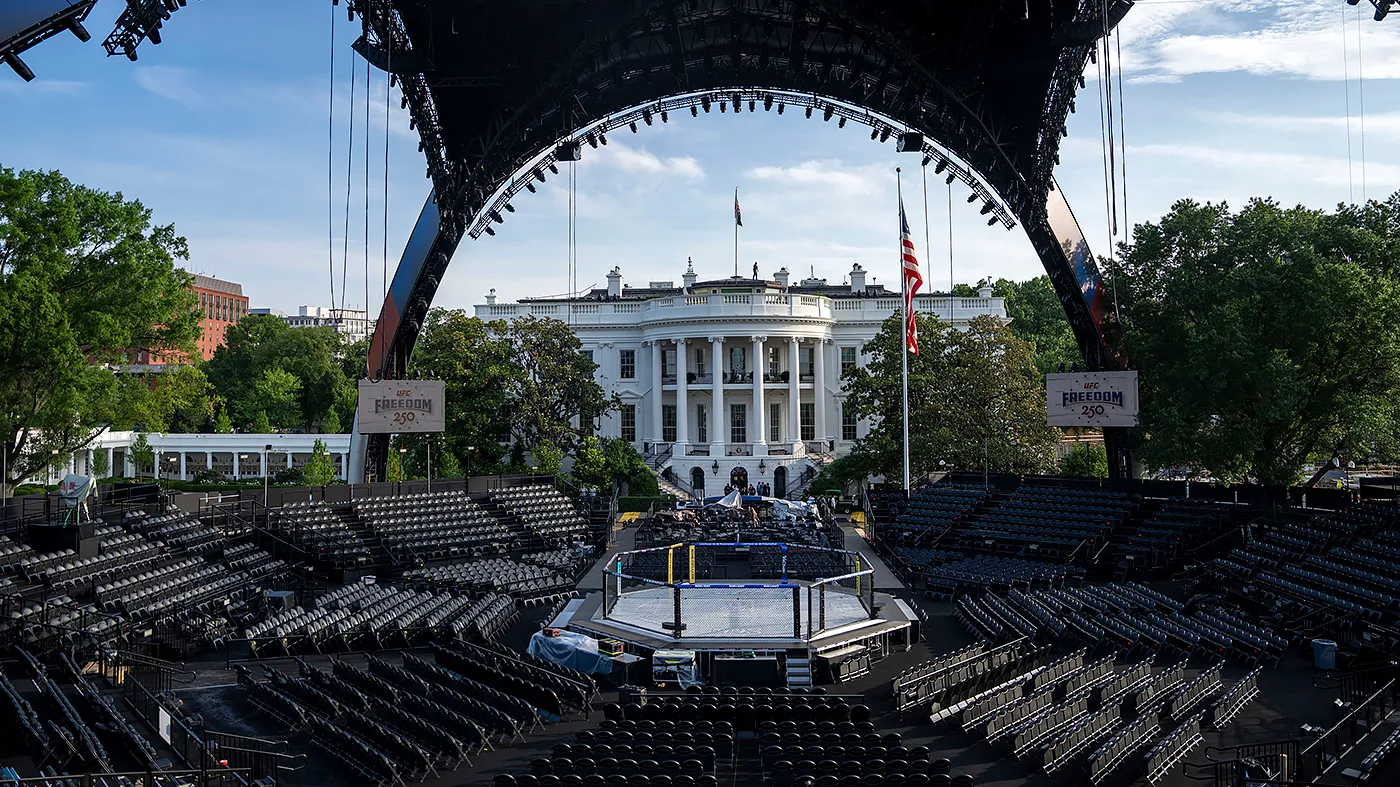
Provpnadvice.com – On Friday, a federal judge declined to halt the UFC event scheduled for the White House South Lawn this weekend, determining that the two Virginia residents lacked the legal authority to prevent it. The decision was issued by U.S. District Judge Amit Mehta, a former Obama appointee, who found the plaintiffs’ attempt to block the event was insufficient. The fight, set for Flag Day and President Trump’s 80th birthday, is one of the most anticipated events of the year, with the White House seeking to commemorate the 250th anniversary of the United States through a series of public celebrations.
Judge Amit Mehta Rules Against Blockage Request
Mehta emphasized that the plaintiffs had not demonstrated a direct connection to the event’s impact, which he deemed critical in establishing their legal standing. In his 15-page ruling, the judge noted that while the event’s timing was symbolic, it did not create a tangible harm for the individuals involved. “Plaintiffs fall short of showing they are ‘directly affected’ by Defendants’ actions,” Mehta wrote, underscoring the need for a more concrete link between the fight and the residents’ personal interests.
White House Commends Decision, Sees Event as Historic Celebration
“The court rightly rejected an untimely and frivolous effort to halt the historic UFC event hosted to honor the 250th anniversary of our Nation,” stated White House spokesman Davis Ingle. “The White House is thankful for this correct decision and looks forward to hosting this once-in-a-lifetime celebration on the South Lawn.”
The event will feature a 92-foot-tall, temporary octagon constructed on the presidential grounds, alongside a press conference and other activities planned at the adjacent Lincoln Memorial. The White House has framed the occasion as a milestone, celebrating the nation’s bicentennial with a mix of sports, culture, and public engagement. Officials highlighted the event’s significance, noting that it would draw thousands of attendees and serve as a platform to showcase the administration’s commitment to large-scale gatherings.
Public Integrity Project Files Suit Over Environmental Concerns
A political activist and retired Air Force sergeant, represented by the Public Integrity Project, had sought to challenge the National Park Service (NPS) and the Department of the Interior. Their lawsuit, filed last weekend, argued that the UFC event was “deeply corrupt” and failed to meet environmental and permitting requirements. The plaintiffs contended that the event’s placement on the South Lawn disrupted public access and neglected regulatory protocols.
Mehta’s ruling, however, did not delve into the specifics of their environmental claims. Instead, he focused on the plaintiffs’ lack of standing, stating that their routine visits to the National Mall were not enough to justify legal action. The activist, who frequently protests near the Lincoln Memorial, and the sergeant, a ride-share driver, both claimed they might encounter the event this weekend. Mehta dismissed this reasoning, suggesting that the sergeant’s presence would be incidental at best. “Only a serendipitous rideshare trip would place him in a position to see the Claw on the night of the fights,” the judge remarked, reinforcing the argument that their grievances were too abstract to warrant intervention.
Judicial Analysis Focuses on Plaintiffs’ Connection to the Event
The judge’s opinion emphasized the importance of a clear nexus between the plaintiffs’ claims and the event’s impact. He noted that while the UFC fight was a high-profile spectacle, the plaintiffs had not provided evidence of how their rights were directly infringed. The ruling also acknowledged the event’s broader significance, framing it as a “historical moment” that aligns with the White House’s role in hosting public events. Mehta’s decision to reject the lawsuit was seen as a strategic move to preserve the administration’s ability to proceed with its plans without legal delays.
Justice Department Backs Legal Arguments, Calls Case Untimely
The Justice Department supported the judge’s ruling, asserting that the plaintiffs’ case was both untimely and frivolous. In their brief, the department argued that the event fell under special permitting exceptions for bicentennial celebrations, which allowed for streamlined approval processes. They also highlighted the plaintiffs’ failure to present compelling evidence of harm, stating that the event’s location and timing were justified as part of a larger commemorative initiative.
Despite the lawsuit’s focus on environmental regulations, the judge’s decision left those claims unaddressed. This has raised questions about the thoroughness of the legal review, as the plaintiffs’ arguments centered on the event’s adherence to federal guidelines. However, Mehta’s ruling emphasized procedural hurdles, such as the requirement for plaintiffs to demonstrate a direct impact, rather than substantive policy issues.
Event Draws Mixed Reactions from Advocacy Groups
The Public Integrity Project, which represents the plaintiffs, remains unconvinced by the ruling. While the judge’s decision cleared the path for the event, the group’s attorneys argue that the fight’s proximity to the Lincoln Memorial and the White House lawn raises concerns about public access and environmental oversight. They plan to appeal the decision, citing the event’s potential to set a precedent for similar large-scale activities without rigorous permitting.
Meanwhile, the White House has welcomed the ruling as a validation of its planning. Officials have expressed confidence that the event will proceed smoothly, with the temporary octagon serving as a central stage for the fight. The location, chosen for its symbolic value, will also allow for media coverage and public interaction, enhancing the visibility of the bicentennial celebrations. The Lincoln Memorial’s inclusion in the event’s schedule further underscores the White House’s efforts to connect the occasion with historical landmarks.
As the weekend approaches, the focus shifts to the logistics of the event, with organizers working to ensure everything runs according to plan. The ruling has removed a potential obstacle, allowing the UFC to proceed with its program. However, the legal battle highlights ongoing debates about the balance between public access and executive authority, especially during high-profile events. The Hill has reached out to the Public Integrity Project for additional comments, signaling a continued interest in the case’s implications for future presidential gatherings.