Judge finds no authority to reinstate Yosemite ranger fired for trans flag

Judge Finds No Authority to Reinstate Yosemite Ranger Fired for Transgender Pride Flag
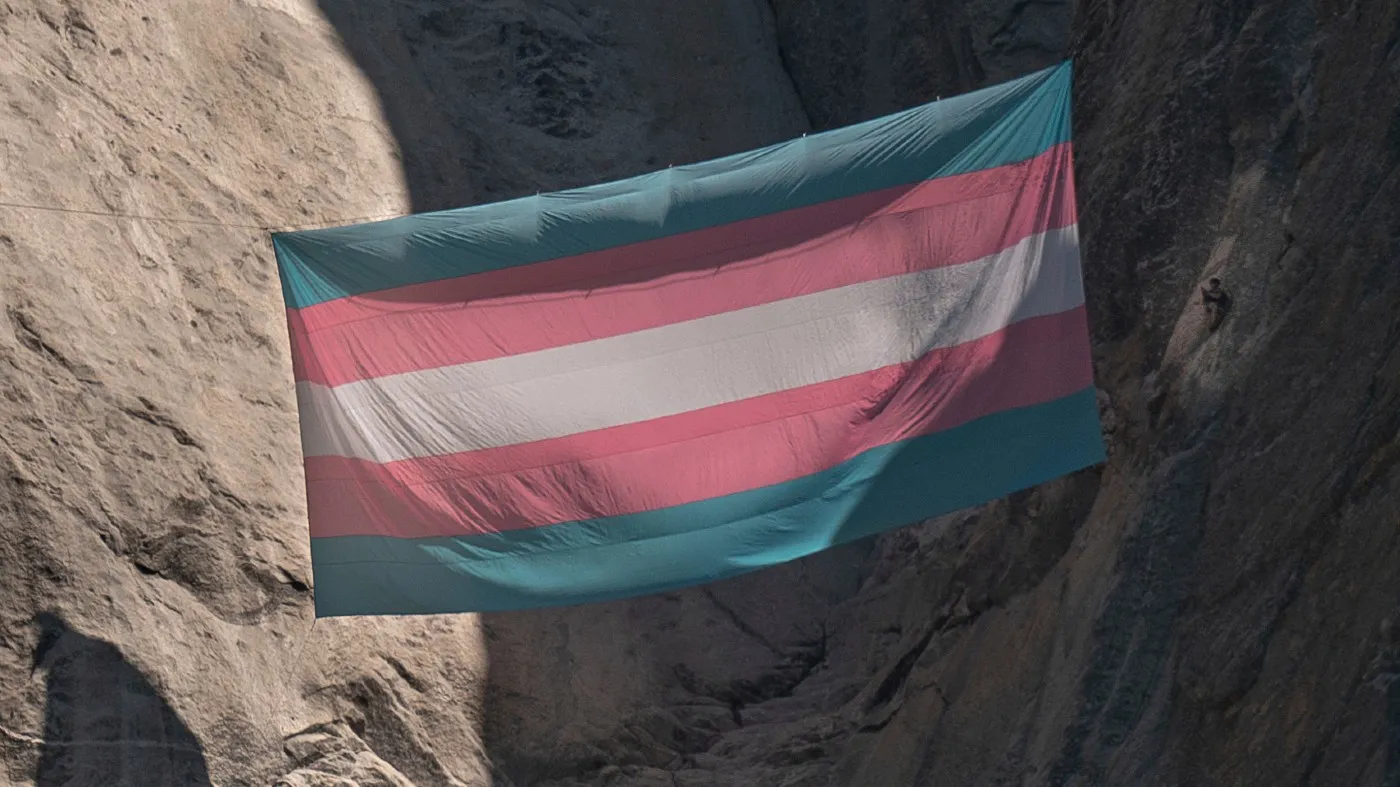
Provpnadvice.com – A federal judge issued a ruling on Friday stating that she cannot reinstate a Yosemite National Park ranger who was terminated for displaying a transgender pride flag at the iconic El Capitan rock formation last year. The decision highlights a legal debate over the boundaries of free speech protections and the administrative authority of federal agencies in enforcing policies related to gender identity.
Case Background
The ranger, Shannon “SJ” Joslin, a nonbinary individual who uses they/them pronouns, was dismissed from their position after unfurling the flag on a personal day off. The incident took place at El Capitan, a famous granite monolith in Yosemite known for its climbing routes and as a symbol of natural beauty. Joslin’s case centers on the claim that their firing was an unfair application of workplace rules, potentially infringing on First Amendment rights.
Joslin’s legal challenge asserts that their termination was not merely a disciplinary action but a targeted effort to suppress speech related to gender identity. The lawsuit also mentions that Joslin is under investigation for potential criminal violations, though the specifics of the probe have not been detailed in public records. The judge, Jennifer Thurston, emphasized that while the First Amendment is a cornerstone of American law, it does not automatically grant individuals the right to challenge administrative decisions in court.
Legal Reasoning
“The government has another more fundamental and more persuasive point: under the laws that Congress has passed, and under the legal precedent that a federal trial court must follow, this Court does not have authority to decide whether Joslin was fired for unconstitutional or illegal reasons, nor to block a hypothetical criminal case against them,” wrote U.S. District Judge Jennifer Thurston.
Thurston’s ruling clarifies that her jurisdiction is limited to reviewing the procedures of the National Park Service (NPS) in terminating Joslin, not the underlying reasons for the dismissal. The judge noted that the NPS has the right to enforce its own policies, even if those policies are interpreted in ways that may conflict with broader interpretations of free speech.
According to the ruling, Joslin must now direct their legal claims to the Office of Special Counsel, an independent body within the federal government responsible for handling complaints about misconduct by federal employees. The Office of Special Counsel’s role is to investigate whether actions taken against workers were justified under the rules governing federal employment, including those related to gender ideology and diversity initiatives.
The decision underscores the tension between administrative discretion and judicial oversight in matters of workplace conduct. While the First Amendment protects individuals from government censorship, the court’s authority to intervene is contingent on the specific legal framework and jurisdictional rules that apply to the case. Joslin’s suit argues that their firing was a form of ideological suppression, but the judge found that the court lacks the power to review such claims unless they fall under a specific statutory provision.
Broader Context of Trump’s Policies
Joslin’s case is part of a larger pattern of legal actions initiated during the Trump administration to curb diversity, equity, and inclusion (DEI) programs. The NPS has been a focal point of these efforts, with the agency implementing stricter guidelines on how employees can express support for gender identity and other inclusive causes. This trend has sparked debates about the balance between administrative authority and the rights of public employees to advocate for personal beliefs.
Earlier this year, Joslin expressed their frustration with the administration’s approach, stating in an interview with The Hill, “Yes, I lost my job for this flag. But this wasn’t the first way that the Trump administration had been scaring us into silence as federal workers.” The ranger highlighted the fear of public employees during the Trump era, when policies were often framed as efforts to protect traditional values and national interests.
The ruling comes as the NPS continues to face scrutiny over its handling of various DEI-related issues. For instance, last month, an appeals panel considered whether the agency’s removal of slavery references from a historical site in Philadelphia was legally justified. This case, like Joslin’s, reflects the administration’s broader strategy to reshape how federal institutions interpret and present diversity-related content.
Ongoing Legal Battles
Other lawsuits concerning federal grants and Trump’s diversity orders are still pending, adding to the complexity of the legal landscape. These cases examine whether the policies enacted under the administration’s leadership violate the rights of employees or disproportionately target certain groups for their ideological views. The outcome of Joslin’s case could influence how these lawsuits are interpreted in the future.
The Interior Department, which oversees the NPS, has defended its actions in a statement. The spokesperson noted that the agency prioritizes the protection of natural and cultural resources, as well as the visitor experience. “Yosemite National Park was designated by Congress to highlight the beautiful natural and cultural features of the area,” the statement said. “No matter the cause, demonstrating without a permit outside of designated First-Amendment areas detracts from the visitor experience and the protection of the park.”
Despite the Interior Department’s emphasis on compliance with regulations, critics argue that the requirement for permits may limit the ability of employees to express support for inclusive causes. Joslin’s case has drawn attention to this issue, with some legal analysts suggesting that the ruling could set a precedent for how federal agencies handle speech-related disputes. The Civil Service Law Center, which represents Joslin, has yet to respond to The Hill’s request for comment, leaving the future of the case open to further developments.
As the legal battle continues, the implications of the ruling extend beyond Joslin’s personal experience. It raises questions about the extent of judicial oversight in federal employment and the role of administrative bodies in enforcing workplace policies. With the federal bench in Fresno, California, now positioned to follow this precedent, the case could influence similar disputes in other regions, shaping the way public employees advocate for their rights in the face of policy changes.