
GAO reasserts pocket rescissions’ illegality after Trump uses tactic to cancel nearly $1B

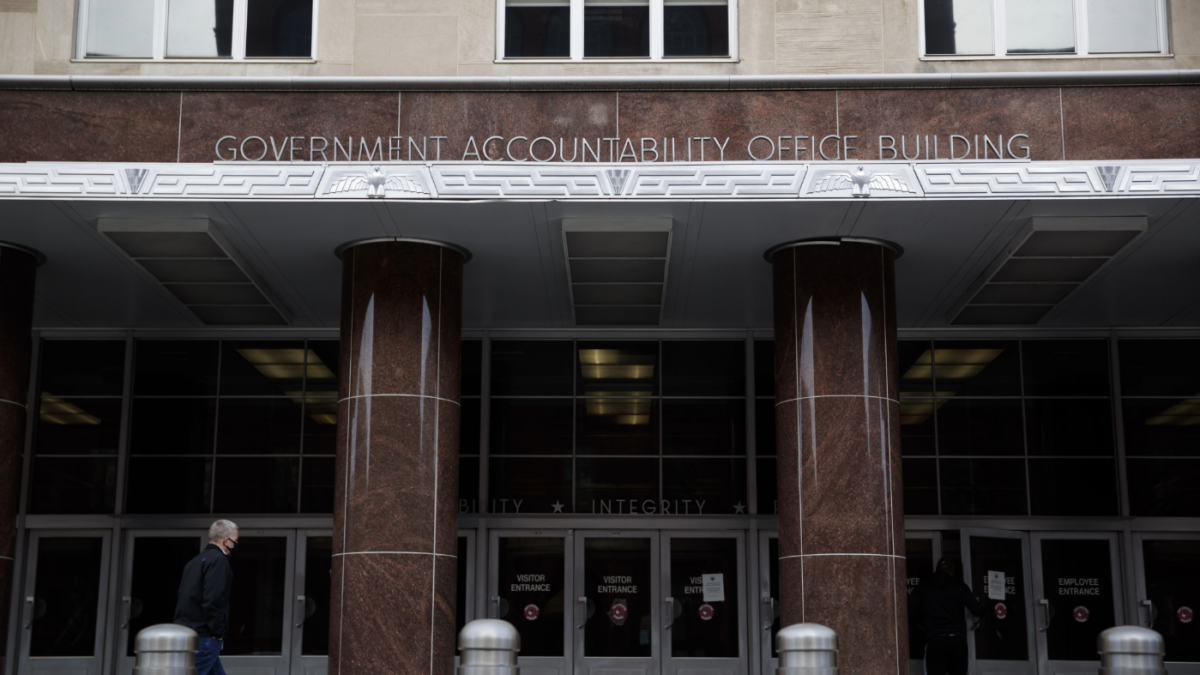
Table of Contents
GAO Says Trump’s Use of “Pocket Rescission” Violated Federal Budget Law
Provpnadvice.com – A renewed clash over presidential spending authority is unfolding after the Government Accountability Office concluded that President Trump unlawfully used a “pocket rescission” to block roughly $810 million in federal funds.
In a Tuesday letter to congressional leaders, GAO General Counsel Edda Emmanuelli Perez said the administration’s Sept. 25, 2026, special message seeking to cancel the money did not give the president authority to keep the appropriations from being used. The finding centers on the Impoundment Control Act of 1974, the law governing how a president may propose reductions to funds Congress has approved.
“The Constitution vests in Congress the power of the purse, and Congress did not cede this important power through the ICA.”
The dispute is significant because the fiscal year closes on Sept. 30. A pocket rescission occurs when an administration asks Congress to eliminate already-enacted funding near that deadline while withholding the money. If Congress does not act before the authority expires, the funds may never be spent, effectively producing the result of a cancellation without a completed congressional rescission.
What the GAO concluded
Perez wrote that the proposals in Trump’s September special message did not permit a continuing freeze on the money. Under the Impoundment Control Act, an administration may temporarily hold budget authority while Congress considers a formal rescission request. But the law requires the funds to be released for obligation if Congress does not cancel them.
“The ICA permits only the temporary withholding of budget authority and provides that unless Congress rescinds the amounts at issue, they must be made available for obligation.”
The GAO’s position is that the executive branch cannot wait out the clock on money Congress has already appropriated. Perez argued that keeping appropriated funds unavailable beyond their expiration date undermines the constitutional procedure for making federal law and intrudes on Congress’s control over federal spending.
“The President may not force the expiration of budget authority Congress has already enacted and did not rescind.”
The watchdog’s finding does not itself automatically restore the disputed funding or determine the outcome of any future court fight. It does, however, provide Congress with a formal legal assessment from an institution responsible for overseeing federal spending rules. The opinion is likely to deepen the debate over whether administrations can use end-of-year timing to achieve spending cuts that lawmakers have not approved.
Programs affected by the funding hold
The halted funding was directed primarily at Department of Health and Human Services programs involving undocumented immigrants and unaccompanied children who are involved in court proceedings. The use of a rescission request so close to the end of the fiscal year put those appropriations at the center of a larger institutional argument over who has final control over money appropriated by Congress.
Congress’s power of the purse is a core feature of the federal system. Legislators authorize spending through appropriations laws, while the executive branch carries out those laws. The Impoundment Control Act was designed to set limits on a president’s ability to decline or delay spending that lawmakers have authorized, while still allowing the White House to submit proposed cuts for congressional consideration.
For that process to work as intended, Congress must retain the ability to decide whether a rescission succeeds. The GAO’s letter maintains that a request by the president is not the same as congressional approval, even when the request is made shortly before a funding deadline.
A continuing legal and political dispute
This was not the first time the GAO has objected to the tactic. The agency reached a similar conclusion last year after Trump used a pocket rescission involving foreign aid. Although the watchdog determined that earlier use was unlawful, it did not bring a lawsuit.
The Supreme Court allowed the administration to proceed with a pocket rescission in 2025. At that stage of the litigation, the Court said the government had made an adequate preliminary showing that the case was barred under the Impoundment Control Act and that the plaintiffs could not compel payment of the funds.
That decision did not end the policy dispute. The GAO’s latest letter shows that the watchdog continues to interpret the statute as forbidding the executive branch from converting a temporary withholding into a permanent cancellation merely because the fiscal year ends before Congress acts.
Office of Management and Budget Director Russell Vought dismissed the GAO’s finding in a social-media response, saying it was expected. He accused the agency of partisanship and said its view changed depending on whether Democrats held the White House.
“GAO has become hyper partisan and Congress recently attempted to cut their spending because of it.”
The White House referred questions about the finding to Vought’s statement.
Congressional resistance
The proposal has also encountered resistance from within Trump’s own party. Sen. Susan Collins of Maine, who chairs the Senate Appropriations Committee, called the process unlawful shortly after the rescission plan was announced.
Other Republican members of the Senate Appropriations Committee have aligned with Collins in opposing the rescissions. They are working on possible safeguards that could be included in the next appropriations measures, an effort that could place clearer limits on late-year funding freezes.
The disagreement now reaches beyond the $810 million at issue. It raises a broader question for future budget negotiations: whether an administration may use the calendar to prevent spending that Congress authorized, or whether such reductions require lawmakers to affirmatively approve them. The GAO’s answer is clear: absent a congressional rescission, appropriated money must remain available as the law requires.
Related Reading
Frequently Asked Questions
What is GAO reasserts pocket rescissions illegality after?
GAO reasserts pocket rescissions illegality after is the main topic of this guide. The article explains the context, practical details, and next steps readers should understand.
Why does GAO reasserts pocket rescissions illegality after matter?
GAO reasserts pocket rescissions illegality after matters because readers are looking for a useful answer, not just a short summary. Good content should match search intent and help them decide what to do next.
