Bipartisan team in Congress looks to expand insurance coverage for ovarian cancer screening

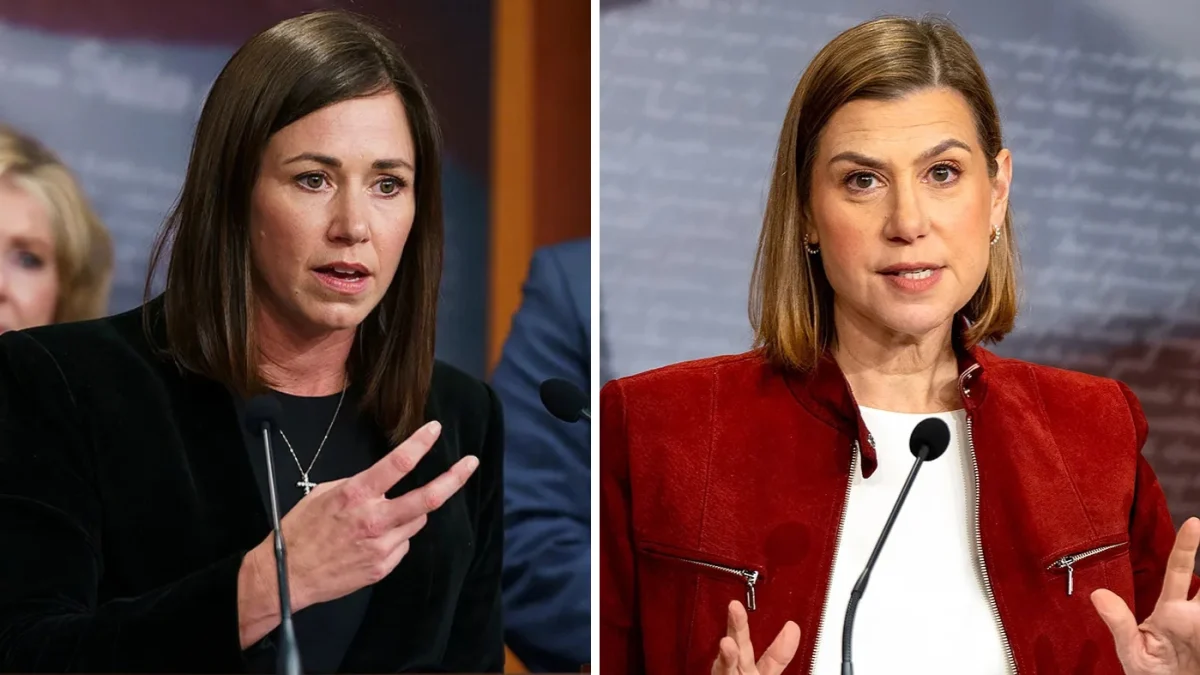
Table of Contents
Bipartisan Ovarian Cancer Bill Seeks Broader Genetic Testing Coverage
Provpnadvice.com – A bipartisan group of senators and House members is advancing legislation aimed at improving access to genetic testing, specialty care and public education related to ovarian and other gynecologic cancers.
The proposed Ovarian Cancer IMPACT Act would require insurance plans to cover genetic testing for patients who have hereditary risk factors. It also seeks to strengthen outreach and education about gynecologic cancer risks, with particular attention to ensuring that people can learn about prevention and early-detection options before a diagnosis occurs.
Sens. Elissa Slotkin, a Michigan Democrat, and Katie Britt, an Alabama Republican, are leading the Senate effort. Reps. Rosa DeLauro, a Connecticut Democrat, and Don Bacon, a Nebraska Republican, are sponsoring the House version.
A Focus on Access Before a Diagnosis
Genetic testing can help identify inherited risk factors associated with ovarian cancer. For patients and families with such risks, access to testing may guide conversations with medical professionals about monitoring, preventive care and referrals to appropriate specialists. The legislation centers on reducing insurance barriers that can make those discussions harder to pursue.
Slotkin has frequently connected the issue to her own family’s experience. Her mother, Judith, died of ovarian cancer in 2011, and Slotkin has cited her family’s difficulties with insurers during her mother’s illness as a major reason she entered public service.
No family should have to fight both a cancer diagnosis and their insurance company at the same time. Women, especially in rural communities like Michigan, should be able to get the genetic testing and specialty care they need to catch this disease early or prevent it altogether. Our bill tackles this issue from every angle — awareness, outreach and access to care and testing — and I thank my colleagues from across the aisle as we all work to save lives.
The bill’s emphasis on rural access reflects a broader concern in health care: tools and services can exist without being equally reachable for every community. Travel distances, the availability of specialists and insurance coverage can all shape whether a patient is able to use genetic-testing services or obtain follow-up care.
Renewing a Federal Education Program
Beyond insurance provisions, the measure would reauthorize Johanna’s Law, a Centers for Disease Control and Prevention program that has existed for two decades. The program supports a federal public-education campaign focused on gynecologic cancers.
Education is a central component of the proposal because awareness can affect when people seek medical guidance and what questions they ask about personal or family health histories. The legislation combines that public-information effort with efforts to widen practical access to testing and specialized services.
Britt said the issue is part of a larger need to invest in women’s health and make the benefits of research available beyond major population centers.
I think far too many times in this body, we don’t stand up for the things that actually affect 50 percent of our population, which are women. Making sure that both proper research dollars go to women’s issues, whether it is ovarian cancer, breast cancer, menopause, a number of things that affect women’s daily life or can change the trajectory of their life, is important and then also, like I said, making sure that that research and that technology … aren’t just there, but that hardworking people, the people from coast to coast, the people in rural Alabama, and people in urban areas all have access to those tools.
Her comments point to two linked goals: supporting research into conditions that affect women and ensuring that the resulting tests, treatments and medical expertise are accessible to people regardless of where they live.
An Unusual Area of Congressional Agreement
The Ovarian Cancer IMPACT Act represents a relatively uncommon point of cooperation between Democrats and Republicans on health insurance coverage and federal spending for cancer prevention. Its sponsors come from both parties and both chambers, giving the effort a cross-party foundation at a time when health policy often produces sharp political divisions.
That contrast is especially notable given Slotkin’s previous criticism of Republican efforts involving health care and Affordable Care Act benefits. In a Senate floor speech last year, she argued that proposed cuts could affect ordinary Americans even when they were not framed directly as reductions in care.
President Trump and my Republican colleagues are doing everything in their power to cut healthcare from average Americans, they’re just doing it in different and creative ways, because they know it’s politically unpopular to tell you to your face.
Even with those disagreements, the ovarian cancer proposal brings together lawmakers with different political priorities around a shared objective: helping people with hereditary risk factors obtain testing and care without facing additional insurance obstacles.
For patients, families and advocates, the proposal’s significance lies in its combined approach. It does not focus only on awareness, only on insurance, or only on research. Instead, it links public education about gynecologic cancers with coverage for genetic testing and access to specialty care. Supporters argue that addressing each part of that pathway can make it easier for people to recognize risk, pursue testing and act on the information they receive.
Related Reading
Frequently Asked Questions
What is Bipartisan team in Congress looks to expand?
Bipartisan team in Congress looks to expand is the main topic of this guide. The article explains the context, practical details, and next steps readers should understand.
Why does Bipartisan team in Congress looks to expand matter?
Bipartisan team in Congress looks to expand matters because readers are looking for a useful answer, not just a short summary. Good content should match search intent and help them decide what to do next.