Top Democrat puts hold on Trump’s $2.8B weapons sale to Israel


Table of Contents
House Democrat Blocks Progress on $2.8 Billion Israel Bomb Sale
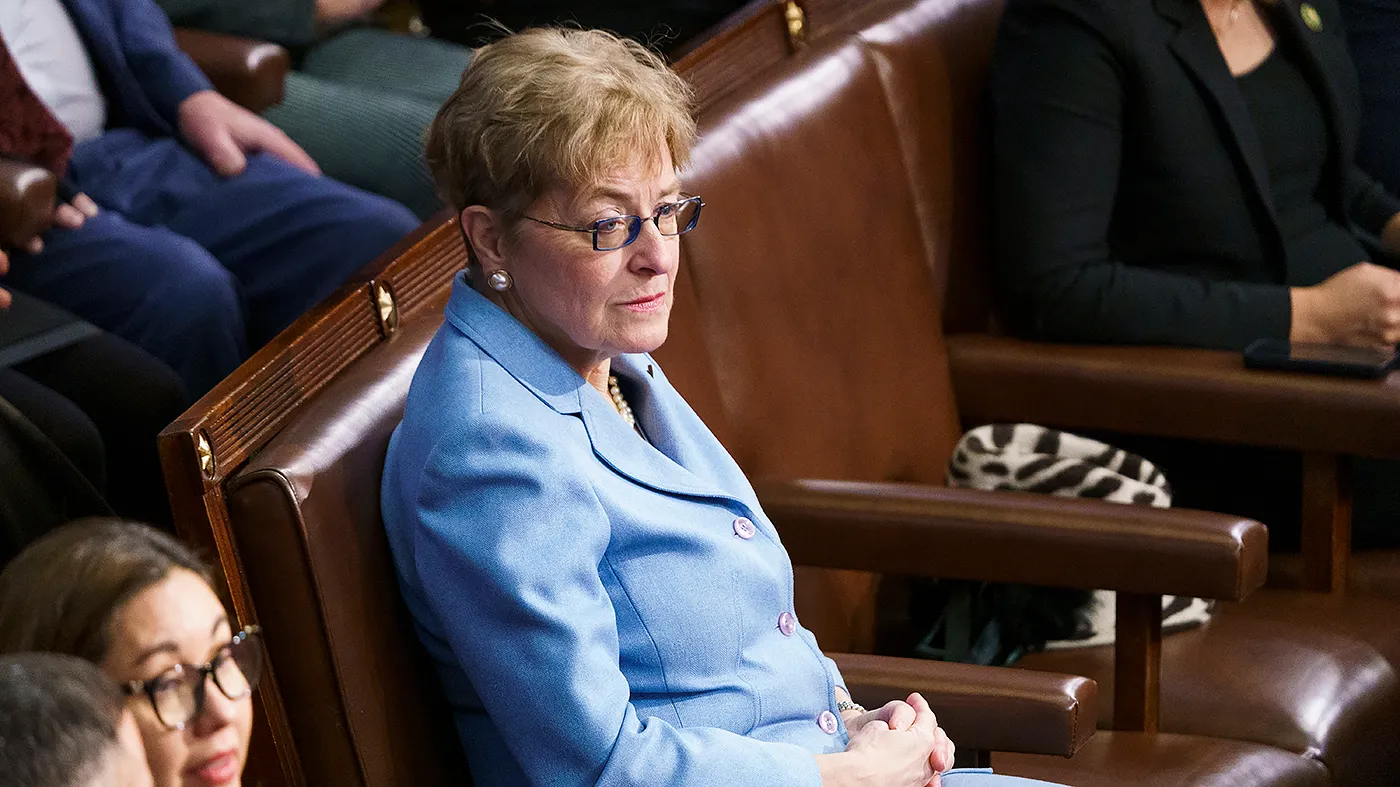
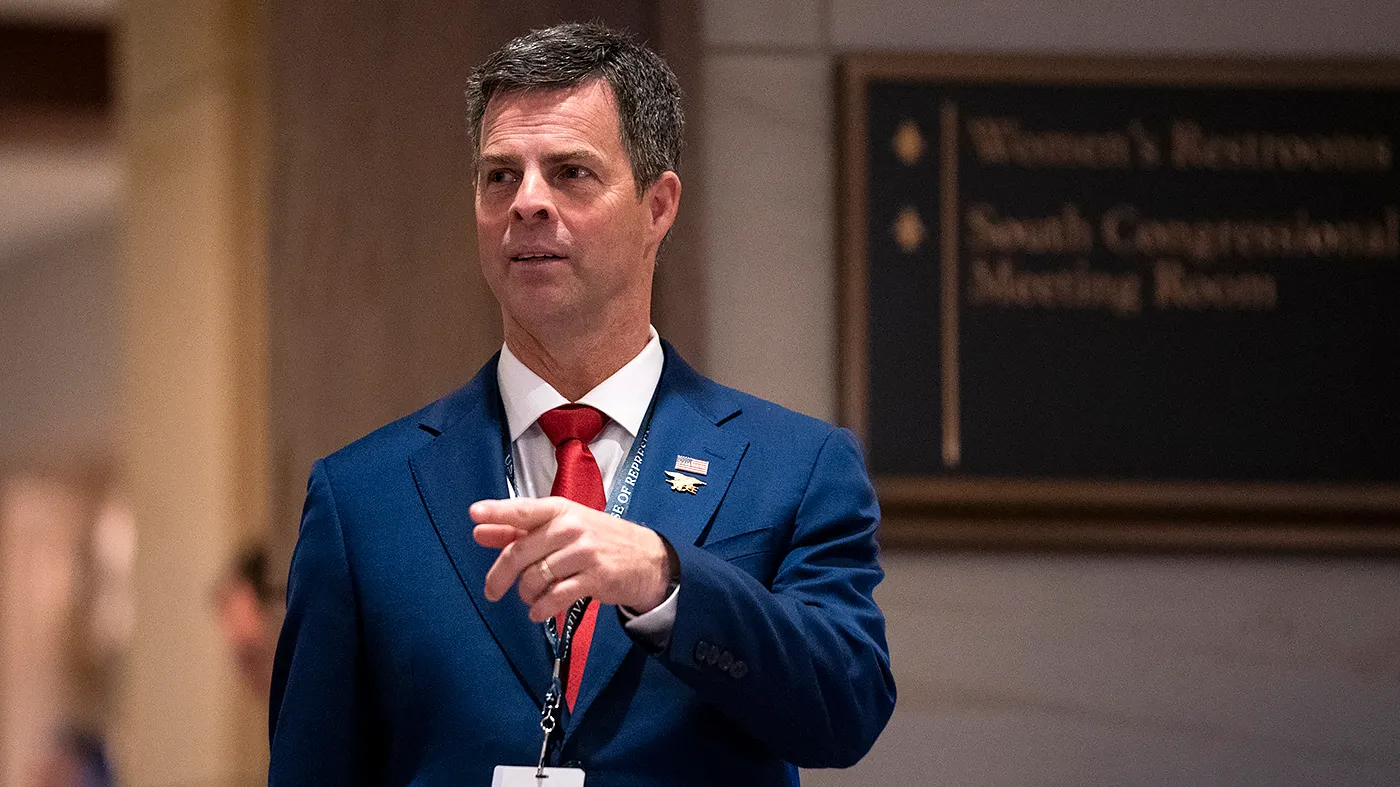
Provpnadvice.com – Rep. Gregory Meeks of New York, the leading Democrat on the House Foreign Affairs Committee, has publicly placed a hold on a proposed $2.8 billion U.S. weapons sale to Israel that would include 40,000 bombs weighing one ton each.
The unusual public announcement highlights growing tension between congressional Democrats, the Trump administration and the Israeli government led by Prime Minister Benjamin Netanyahu. Meeks said he continues to support Israel’s security and its right to defend itself, but argued that the scale and type of weapons involved require stronger scrutiny because of the human toll of Israel’s military campaigns in Gaza and Lebanon.
“I therefore will not clear this sale at this time. The decision does not diminish Congressional support for Israel’s legitimate defense needs; it reflects Congress’s responsibility to ensure that U.S.-funded weapons are used lawfully, responsibly, and with meaningful safeguards for human life.”
Meeks’s intervention concerns a proposed transfer containing 20,000 MK-84 bombs and 20,000 BLU-117 bombs, each in the 2,000-pound class. The package would also include 20,000 I2000 Penetrator warheads. Such a sale would be among the most consequential arms packages under review because of both its financial value and the destructive capacity of the munitions.
How a Congressional Hold Works
For major foreign military sales, the State Department normally notifies the senior lawmakers overseeing foreign affairs in the House and Senate. Those leaders can place an informal hold on a transaction while they seek answers, request further information or attempt to negotiate conditions with the administration.
A hold is not the same as a law passed by Congress or a permanent legal prohibition. It is a long-standing oversight mechanism that relies heavily on the executive branch respecting the role of congressional committees. In most cases, the State Department works with the lawmakers involved to address their concerns before moving ahead.
That process has been tested during the Trump administration. In February 2025, the administration proceeded with part of an arms-sale package despite a Democratic hold raised by Meeks. His latest decision therefore carries significance beyond this individual proposal: it underscores the question of how much practical influence congressional objections retain when the White House and State Department decide to press forward.
Concerns Over Civilian Harm
The central issue for Meeks is the danger these bombs could pose to civilians. Israel’s war against Hamas in Gaza and its conflict with Hezbollah in Lebanon have produced high death tolls, intensifying debate in Washington over the limits that should accompany U.S. military support.
The MK-84 is particularly powerful. Army data describes it as capable of creating a crater roughly 50 feet across and 36 feet deep. It can penetrate as much as 15 inches of metal or 11 feet of concrete, while its legally recognized fragmentation range extends as far as 400 yards. Those characteristics can make the bomb useful against hardened military targets, but they also raise grave concerns when combat takes place in densely populated areas.
During the Gaza war, the Biden administration paused a shipment of 2,000-pound bombs amid rising Palestinian civilian deaths. The use of these munitions in Gaza drew particular scrutiny because civilians were often seeking safety in areas where they were dropped. The earlier pause showed that U.S. administrations can distinguish between broad support for Israel’s defense and concerns about the specific weapons supplied for particular operations.
A Changing Debate in Congress
Congress still contains substantial bipartisan support for the U.S.-Israel relationship. Many lawmakers view military assistance and arms cooperation as central to Israel’s ability to respond to threats from Hamas, Hezbollah and other adversaries. Meeks himself emphasized that his position should not be understood as a rejection of Israel’s legitimate security needs.
At the same time, support for unrestricted military aid has weakened, particularly among Democrats. That shift was visible when Rep. Thomas Massie, a Kentucky Republican, compelled a vote on legislative language that would cut off U.S. military aid to Israel. The proposal received support from 103 Democrats, an indication that a sizable bloc in the party is willing to challenge established approaches to assistance.
The debate is increasingly focused on conditions, accountability and the consequences of U.S.-supplied weapons. Lawmakers who favor additional scrutiny argue that arms transfers should come with meaningful assurances that international law is followed and civilian lives are protected. Supporters of rapid transfers counter that Israel faces urgent security threats and needs reliable access to military equipment.
Meeks’s hold leaves the proposed sale in a politically sensitive position. The administration may attempt to work through the concerns he raised, or it could choose to move ahead despite the objection, as it did previously. Either outcome will likely deepen the congressional debate over executive authority, Israel’s defense requirements and Washington’s responsibility for how American weapons are used abroad.
Related Reading
Frequently Asked Questions
What is Top Democrat puts hold on Trump?
Top Democrat puts hold on Trump is the main topic of this guide. The article explains the context, practical details, and next steps readers should understand.
Why does Top Democrat puts hold on Trump matter?
Top Democrat puts hold on Trump matters because readers are looking for a useful answer, not just a short summary. Good content should match search intent and help them decide what to do next.