Minneapolis driverless car ordinance would require human monitors

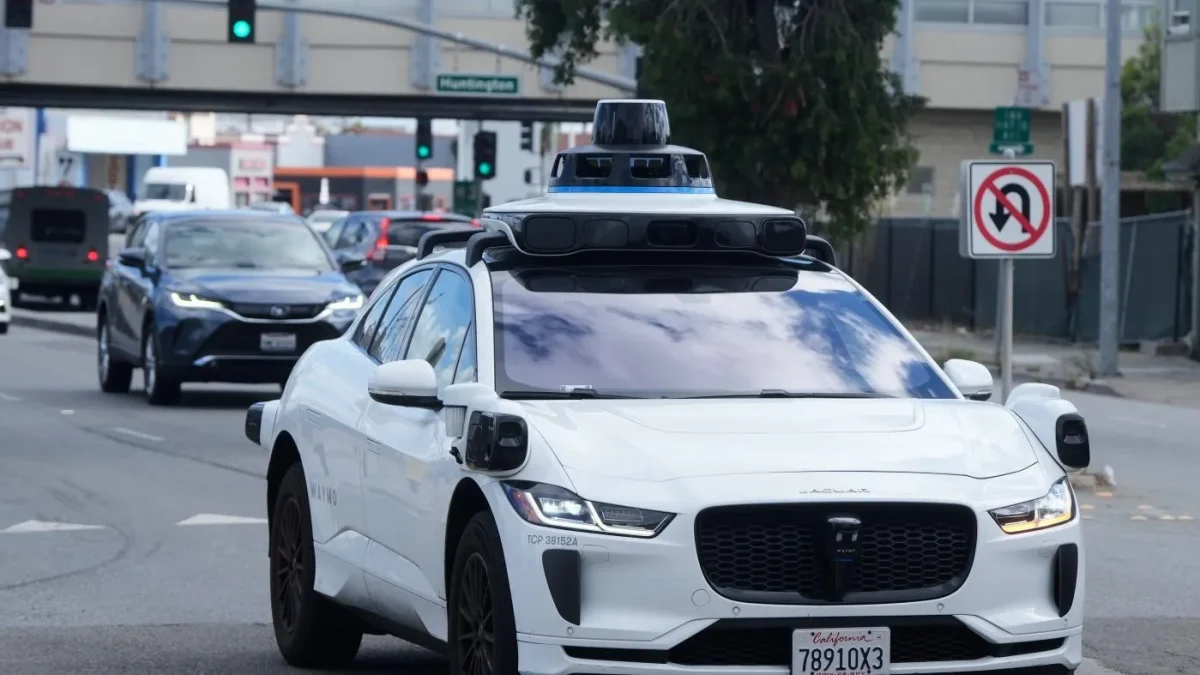
Table of Contents
Minneapolis Proposal Would Put Human Safety Monitors in Autonomous Cars
Provpnadvice.com – Minneapolis could require every autonomous vehicle operating on city streets to carry a paid human monitor in the driver’s seat, a proposal that would create a significant local requirement for companies developing self-driving ride services.
Four members of the Minneapolis City Council are backing the ordinance, which is framed in part as an effort to protect rideshare workers as driverless vehicle companies seek to expand into more U.S. cities. The measure would apply to autonomous vehicle operators and require a person to remain positioned behind the wheel whenever a vehicle is in service.
That person would be designated as a “safety monitor” and would need to hold a valid driver’s license. The ordinance language also calls for the monitor to have immediate access to the steering wheel, brakes and accelerator, ensuring that a human could take control if needed.
A local licensing requirement
If adopted, the proposal would require autonomous vehicle companies to secure an operating license from the city by next October. The licensing condition would place Minneapolis among the cities taking a direct role in setting operating expectations for self-driving transportation services.
The practical effect would be that vehicles marketed as fully driverless could not operate without a trained and compensated person inside the front seat. Supporters see that requirement as a way to retain a human role in an industry that may otherwise reduce the need for conventional drivers.
More than 10,000 people drive for rideshare companies across Minnesota, based on findings from a 2024 state study. For those workers, the debate is not only about emerging transportation technology. It also concerns how quickly automated services could reshape work that currently depends on people driving passengers through cities and suburbs.
Requiring safety monitors could create a new type of job for autonomous vehicle firms, though it would also mean those companies must continue paying for an in-car worker rather than operating vehicles entirely without one. The ordinance does not eliminate autonomous technology itself; instead, it would establish a local condition for its use on Minneapolis roads.
Waymo says rule would block its plans
Waymo, which has plans to bring its service to the Twin Cities, has objected strongly to the proposed requirement. The company operates autonomous ride services in more than a dozen metropolitan areas in the United States and introduced rides in San Diego, Denver and Tampa this month.
Adam Lane, Waymo’s state and local public policy manager, said the Minneapolis requirement would prevent the company from offering its core service in the city.
“De facto ban on autonomous vehicles.”
Waymo’s position reflects a central disagreement over what qualifies as an autonomous vehicle service. Companies building the technology argue that requiring a person at the controls undermines the purpose of cars designed to drive independently. City leaders supporting the proposal are focused on maintaining human oversight and considering the impact that automation may have on local workers.
The issue is especially relevant in a region where rideshare driving provides work for thousands of people. A driverless fleet could change the economics of app-based transportation, while a safety-monitor requirement would preserve a paid in-vehicle position even as the car handles navigation and movement.
Human oversight remains part of testing and operations
Although companies such as Waymo and Zoox operate vehicles that can drive themselves, human monitoring has remained part of autonomous vehicle development in a variety of settings. Waymo vehicles have cameras inside and outside the car, and the company can monitor them remotely.
Human safety personnel have also been used during testing. Tesla’s robotaxi program in Texas included safety monitors inside vehicles during a testing period that lasted several months. That approach illustrates the difference between a vehicle’s ability to steer, accelerate and brake on its own and the policy decision over whether a person should still be physically present.
For Minneapolis residents, the proposed ordinance raises several practical questions. A monitor behind the wheel could provide a visible point of responsibility for passengers, pedestrians and emergency responders. At the same time, the requirement could affect whether autonomous ride services are introduced in the city at all, particularly if companies decide the local operating model is too different from their existing fleets.
The proposal also highlights a broader challenge for local governments: technology is advancing across city streets, but the consequences are felt in areas such as employment, transportation access and public confidence. Municipal rules can shape how new services arrive, including the conditions under which private companies may carry passengers.
A public hearing on the Minneapolis ordinance is scheduled for Sept. 22. The discussion will give council members, autonomous vehicle companies, rideshare workers and members of the public an opportunity to address whether human monitors should be required as self-driving transportation moves closer to the Twin Cities.
Related Reading
Frequently Asked Questions
What is Minneapolis driverless car ordinance would require?
Minneapolis driverless car ordinance would require is the main topic of this guide. The article explains the context, practical details, and next steps readers should understand.
Why does Minneapolis driverless car ordinance would require matter?
Minneapolis driverless car ordinance would require matters because readers are looking for a useful answer, not just a short summary. Good content should match search intent and help them decide what to do next.