Prediction markets’ regulation draws closer to Supreme Court

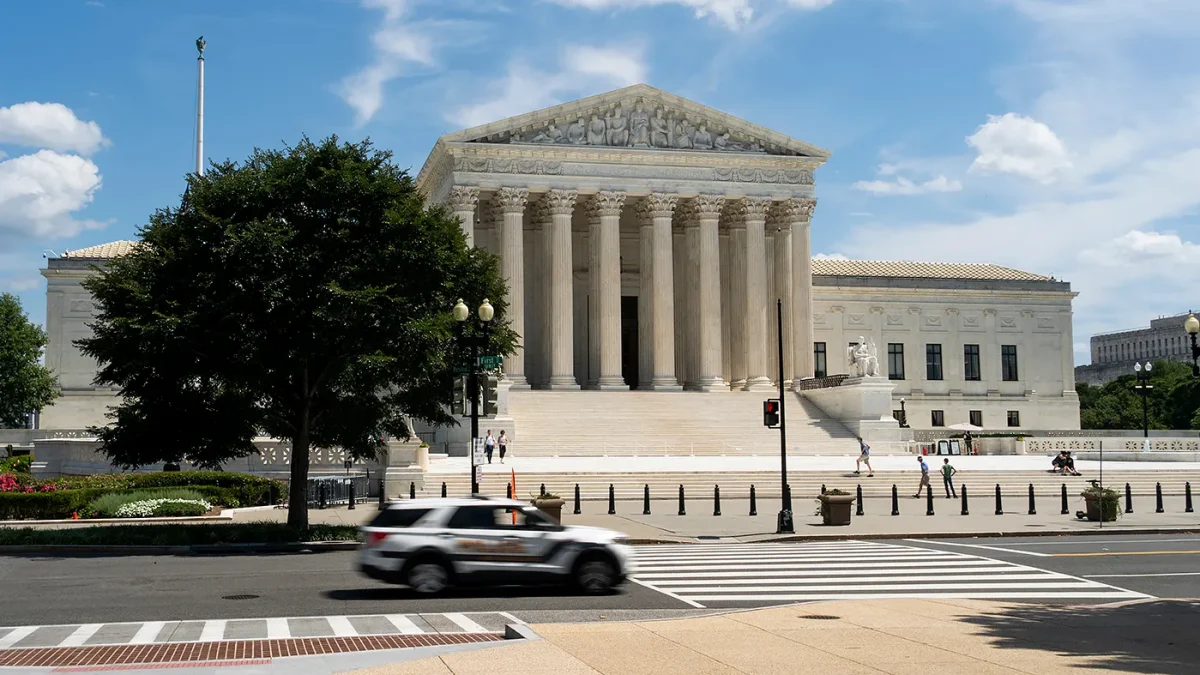
Table of Contents
Federalism Clash Over Prediction Markets Heads Toward the Supreme Court
Provpnadvice.com – The question of who gets to police the rapidly expanding world of prediction markets has now landed squarely in front of the nation’s highest court. New Jersey filed a petition asking the justices to resolve a fundamental jurisdictional dispute: whether states retain the authority to regulate sports wagers placed on platforms like Kalshi, or whether Congress handed that power exclusively to the federal Commodity Futures Trading Commission (CFTC). With appeals courts already issuing contradictory rulings, the likelihood of a Supreme Court intervention has grown sharply.
A Circuit Split Sets the Stage
The legal collision crystallized over the past several weeks. The U.S. Court of Appeals for the 3rd Circuit, sitting in a 2-1 panel, ruled that New Jersey could not enforce its sports gambling statutes against Kalshi, concluding the platform likely operates under CFTC oversight. Just days later, the U.S. Court of Appeals for the 9th Circuit reached the opposite conclusion, siding with Nevada regulators and holding that the state may regulate Kalshi’s sports contracts operating out of Las Vegas.
That divergence is precisely the kind of inter-circuit conflict that draws the Supreme Court’s attention. The justices receive thousands of certiorari petitions each term and grant only a small fraction. Their selection criteria, however, place heavy weight on whether lower courts have spoken at cross-purposes on questions of national significance. A source familiar with the litigation told reporters that the combined effect of the two rulings means the issue will “probably” reach the Supreme Court.
“But it’s more of a mess than it ever was because they’re agreeing on some things and they’re disagreeing on others,” the source added.
Two Visions of Regulatory Authority
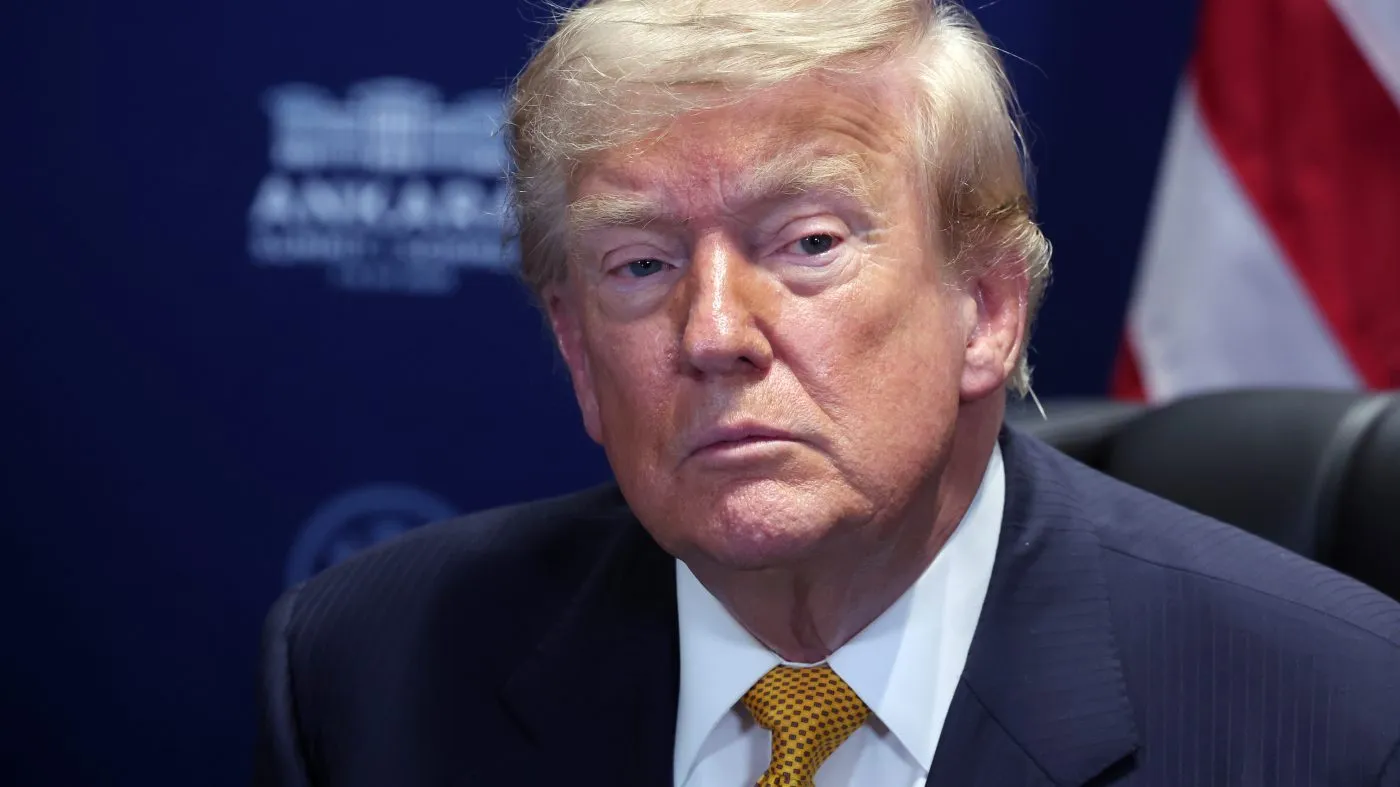
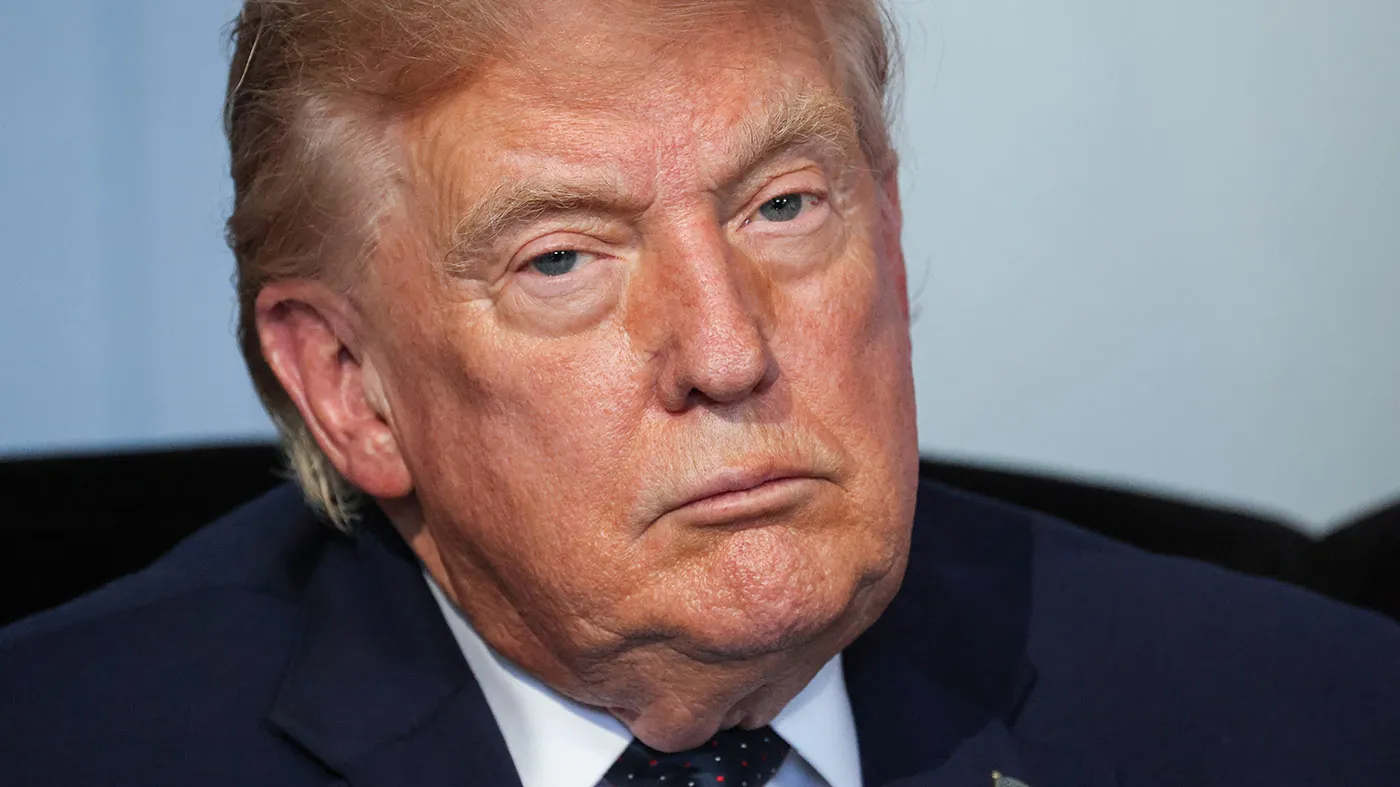
At the heart of the dispute sits a statutory interpretation question: did Congress, by granting the CFTC exclusive jurisdiction over “swaps” traded on registered markets, effectively preempt state gambling regulation for prediction-market platforms? Kalshi and rival platforms such as Polymarket argue their sports wagers qualify as swaps and therefore fall under federal purview. The Trump administration has publicly endorsed that reading, with President Trump calling for the CFTC to assume regulatory control over prediction markets.
States tell a different story. New Jersey and its allies contend these platforms function no differently from the brick-and-mortar bookmakers and casino operators they have long supervised under state law. In its petition, the state laid out the stakes in pointed terms:
“Different States have made different choices on that score. But Kalshi insists on a different approach—one where federalism has no place, and where the sports gambling laws must be the same in New Jersey as in Utah, so long as the company self-certifies its sports bets with the CFTC.”
Bipartisan State Pushback
The state-side coalition is far from a partisan exercise. Forty-four state attorneys general submitted a joint comment letter to the CFTC this summer, arguing the agency lacks authority to assert control over sports bets placed on prediction markets. The letter drew a broad swath of Republican-led states into direct conflict with the White House position.
“The CFTC has long understood that States are best positioned to regulate gambling. But today, the CFTC has changed course at breakneck speed,” the letter reads.
Only six states declined to join the letter: Florida, Georgia, Missouri, and New Hampshire, among others.
Dylan Hedtler-Gaudette, acting vice president of policy and government affairs at the Project on Government Oversight, framed the fight as fundamentally about state sovereignty rather than ideological alignment:
“It’s not just blue states or Democrats who are being opposed by the Trump administration. It’s really a states’ issue.”
Practical and Political Complications
The dispute carries practical weight beyond the courtroom. Trading volume on prediction markets has surged dramatically, drawing in casino industry operators, Native American tribal gaming commissions, and federal regulators into a multi-front contest over who collects taxes, enforces consumer protections, and sets the rules of the road in Atlantic City, Las Vegas, and dozens of other jurisdictions.
Howard Fischer, a partner at Moses Singer and a former Securities and Exchange Commission prosecutor, noted that states possess a structural advantage in oversight: they can staff dedicated gambling divisions with dozens of regulators, whereas the federal side may field only one or two personnel who could themselves be former employees of the very platforms under review.
“Rather than have dedicated departments in every state with 10, 20, 30 or more people, you’re going to have one, or two, maybe, people at the federal level who may or may not be former employees of the prediction markets,” Fischer said.
Fischer also suggested the Court might prefer to let the question mature further before intervening.
“I think, ultimately, the Supreme Court will probably want to see a little bit more of the social impact of this,” he said.
A Personal Stake in the Platform
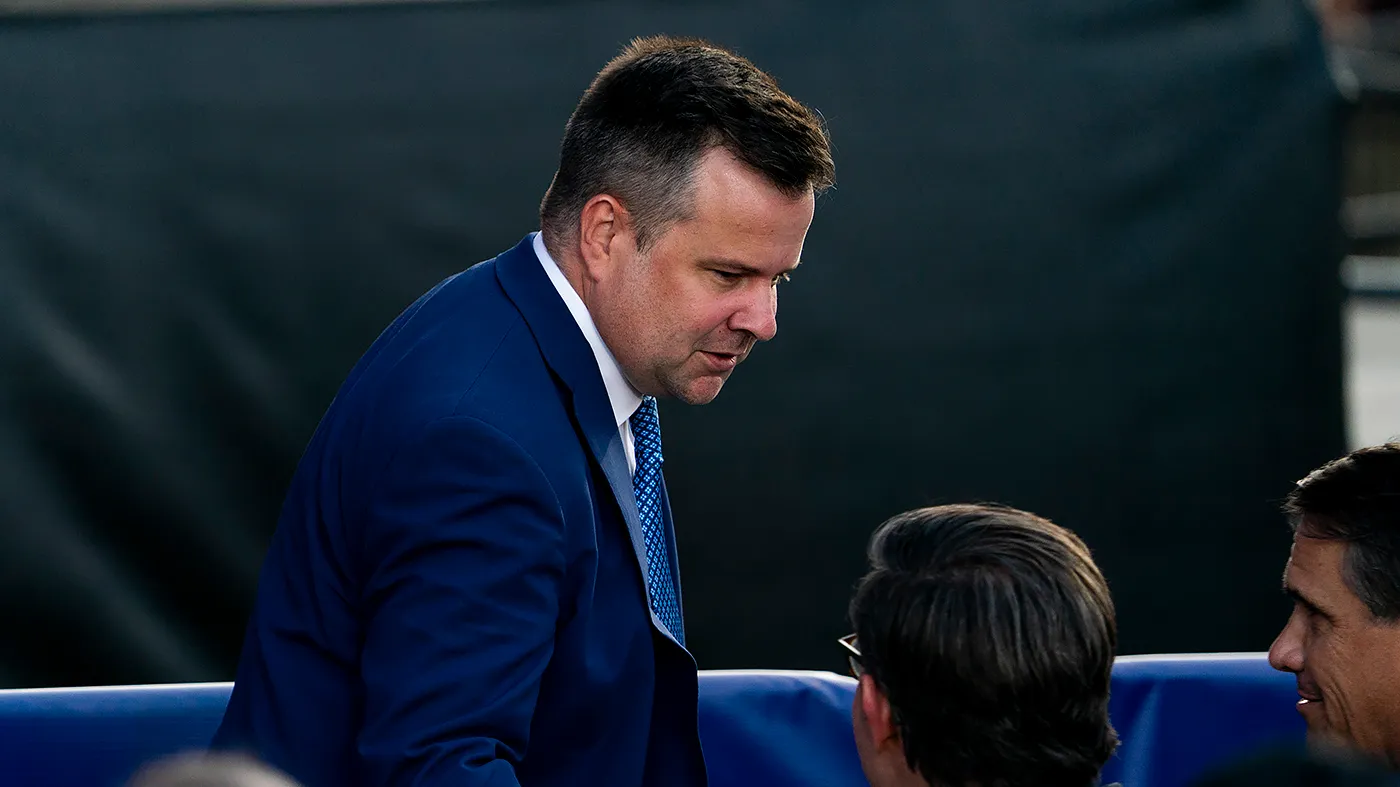
One wrinkle complicates the political landscape: Donald Trump Jr., the president’s son, holds a financial interest in Kalshi and joined the platform last year in the role of strategic adviser. That connection has drawn scrutiny from state regulators and legal commentators, though it does not alter the statutory question before the courts.
Whether the justices grant certiorari in New Jersey’s case—or wait for a cleaner vehicle—remains uncertain. What is clear is that the regulatory architecture governing prediction markets, a market now measured in billions of dollars of annual volume, will not be settled at the circuit level. The next word belongs to the nine justices on the marble bench, and the answer they give will determine whether fifty states or one federal agency writes the rules for an entire new class of financial instrument.
Related Reading
Frequently Asked Questions
What is Prediction markets regulation draws closer to Supreme?
Prediction markets regulation draws closer to Supreme is the main topic of this guide. The article explains the context, practical details, and next steps readers should understand.
Why does Prediction markets regulation draws closer to Supreme matter?
Prediction markets regulation draws closer to Supreme matters because readers are looking for a useful answer, not just a short summary. Good content should match search intent and help them decide what to do next.