USS Abraham Lincoln heads back to US after 5-day Thailand port visit

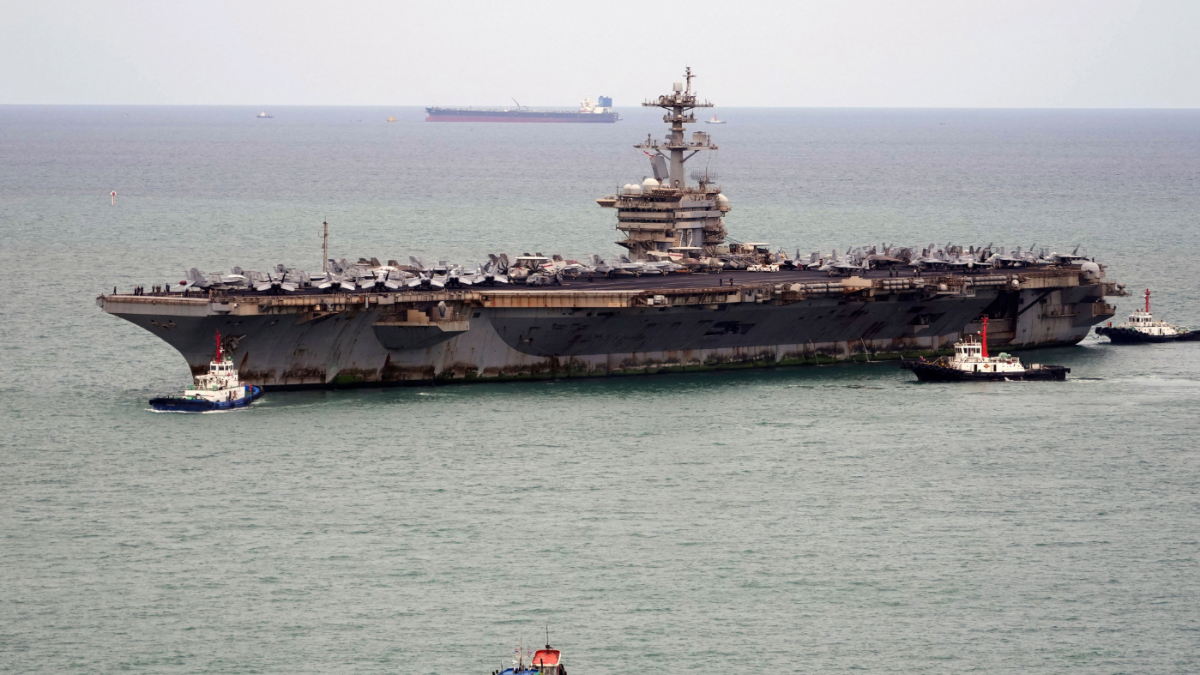
Table of Contents
After 286 Days at Sea, USS Abraham Lincoln Heads Home as Middle East Tensions Intensify
Provpnadvice.com – The aircraft carrier USS Abraham Lincoln slipped its moorings in Thailand on Sunday, ending a five-day port call that marked the first time its crew had set foot on land in nearly nine months. The departure closes a grueling 286-day deployment that began in November from San Diego, California, just before the United States became entangled in a direct military confrontation with Iran. For the 5,000 sailors and Marines aboard, the brief respite in Thai waters represented a rare opportunity to rest, resupply, and reconnect with the outside world after 264 consecutive days spent operating in the Middle East theater.
A Commanding Officer’s Farewell
Capt. Dan Keeler, who commands the Lincoln, issued a public statement on Sunday thanking the Thai government and its citizens for what he described as extraordinary hospitality during the ship’s short stay. The message, distributed through the U.S. Embassy in Bangkok, framed the visit as a reaffirmation of the bilateral partnership between Washington and Bangkok within the broader architecture of U.S. Seventh Fleet operations.
“We are grateful to our Thai allies for hosting us, and we look forward to continuing our mission here in 7th Fleet, alongside Thailand and our other regional allies and we partners,” Keeler said.
Keeler also credited the Navy’s Morale, Welfare and Recreation division for coordinating with Thai businesses to arrange shore excursions and cultural events across the local area, giving crew members a chance to experience the region beyond the ship’s deck during their limited time ashore.
The Relief That Changed Everything
The Lincoln’s departure from Thai waters is not merely the end of a routine port call. It signals the completion of a handoff between two of the Navy’s most powerful capital ships. The USS George Washington, another Nimitz-class carrier, arrived in the Middle East region late last month to assume the Lincoln’s combat duties. That transition was itself the product of a public controversy that had drawn sharp scrutiny to the Pentagon’s management of long-duration carrier deployments.
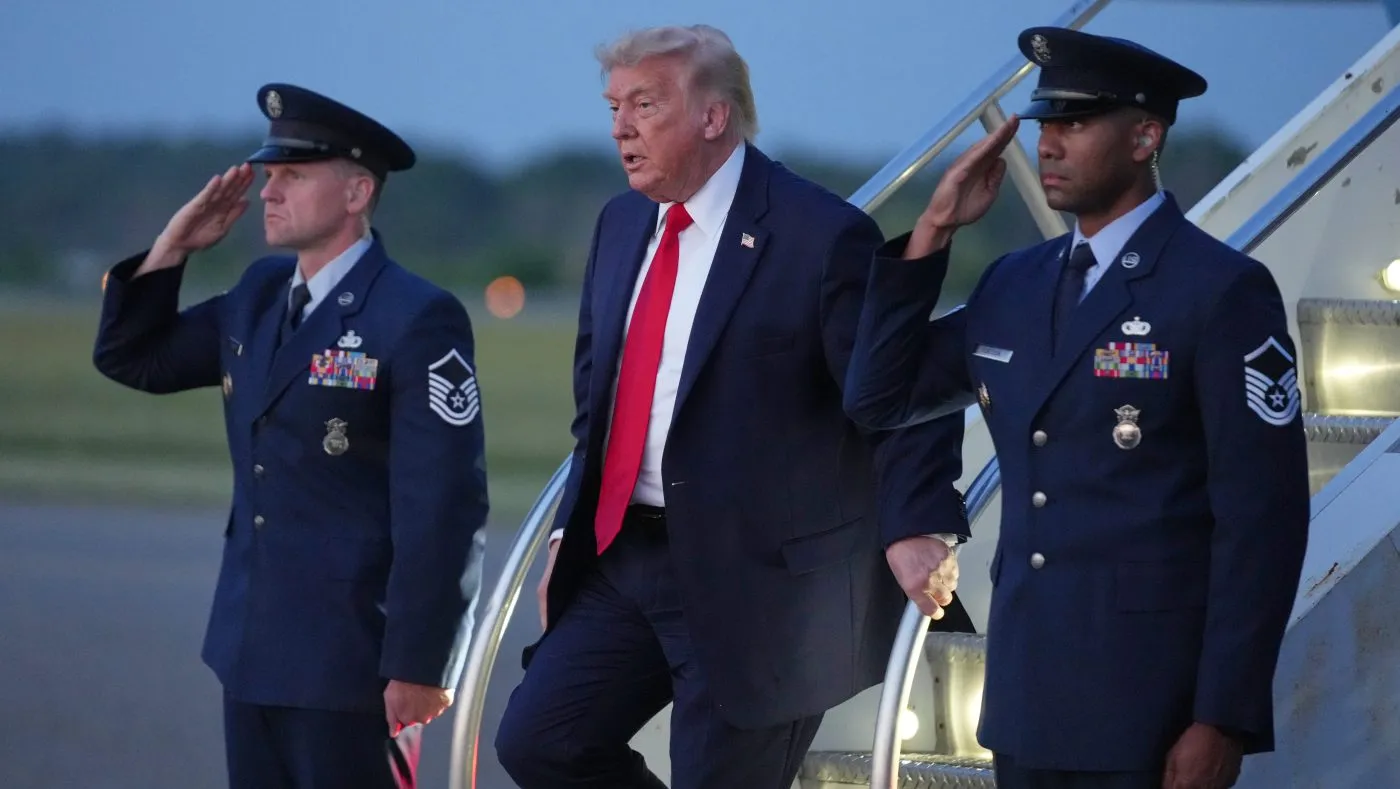
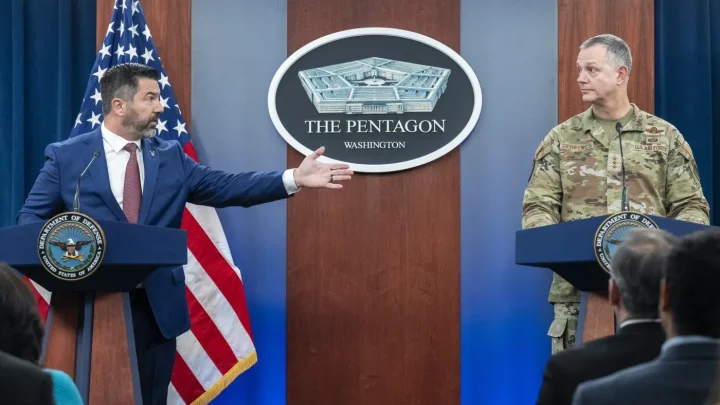
In the weeks before the relief operation, multiple reports surfaced describing deteriorating conditions aboard the Lincoln: shortages of fresh food, contamination issues in galley operations, declining morale among junior enlisted personnel, and alleged suicide attempts. The disclosures triggered a rapid-fire response from the White House. President Donald Trump characterized the reports as “fake,” while Secretary of Defense Pete Hegseth told reporters that the coverage had “completely misrepresented” the actual state of the ship. The administration’s dismissive posture, in turn, prompted a wave of questions from Democratic members of Congress demanding that the Pentagon explain what operational failures had allowed conditions to deteriorate to the point where a carrier crew endured nearly nine months without a single port stop.
The episode exposed a structural tension in modern carrier operations: the Navy’s desire to maintain a continuous forward presence in contested waters versus the practical limits of human endurance, shipboard sanitation, and supply logistics. A deployment of this length — stretching past the eight-month mark without a single opportunity to dock — pushes well beyond the parameters under which carrier air wings and support crews are trained and equipped.
A Shifting Battlefield
The Lincoln’s return to San Diego arrives at a moment when the operational environment it left behind has grown considerably more volatile. In recent days, tensions between Washington and Tehran escalated sharply. On Saturday, U.S. forces struck three Iranian oil carriers anchored at Kharg Island, a major export terminal on the Persian Gulf coast, following Iranian attacks on two American Navy warships. Iranian state television announced on Sunday that its forces had engaged a U.S. vessel attempting to transit a restricted segment of the Strait of Hormuz, the narrow waterway through which roughly a fifth of the world’s daily oil supply passes.
The Strait of Hormuz has long been a chokepoint of strategic importance, but the current exchange of fire between the two navies marks a significant escalation from the earlier phase of the conflict, which had centered on the U.S.-Israeli campaign against Iranian targets. With the Lincoln now en route home and the George Washington assuming forward operations, the carrier group’s posture in the Gulf and surrounding waters will shape the tempo of any further strikes or negotiations in the coming weeks.
What Comes Next
For the crew of the Lincoln, the priority is straightforward: complete the transit back to San Diego, undergo post-deployment maintenance, and allow personnel to recover from a deployment that stretched far beyond its originally planned duration. For policymakers in Washington, the questions raised by the ship’s ordeal — about sustainment planning, crew rotation, and the political cost of extended forward deployments — are unlikely to fade with the vessel’s arrival at its home port. The controversy over conditions aboard the Lincoln has already entered the congressional record, and the answers the Pentagon provides will inform how the Navy structures its next long-duration carrier commitment in a region that, for now, remains in open conflict.
Related Reading
Frequently Asked Questions
What is USS Abraham Lincoln heads back to US?
USS Abraham Lincoln heads back to US is the main topic of this guide. The article explains the context, practical details, and next steps readers should understand.
Why does USS Abraham Lincoln heads back to US matter?
USS Abraham Lincoln heads back to US matters because readers are looking for a useful answer, not just a short summary. Good content should match search intent and help them decide what to do next.