Wright says Iran war worth it to ‘reset’ Middle East

Table of Contents
Energy Secretary Defends Iran Conflict as Essential to Regional Stability
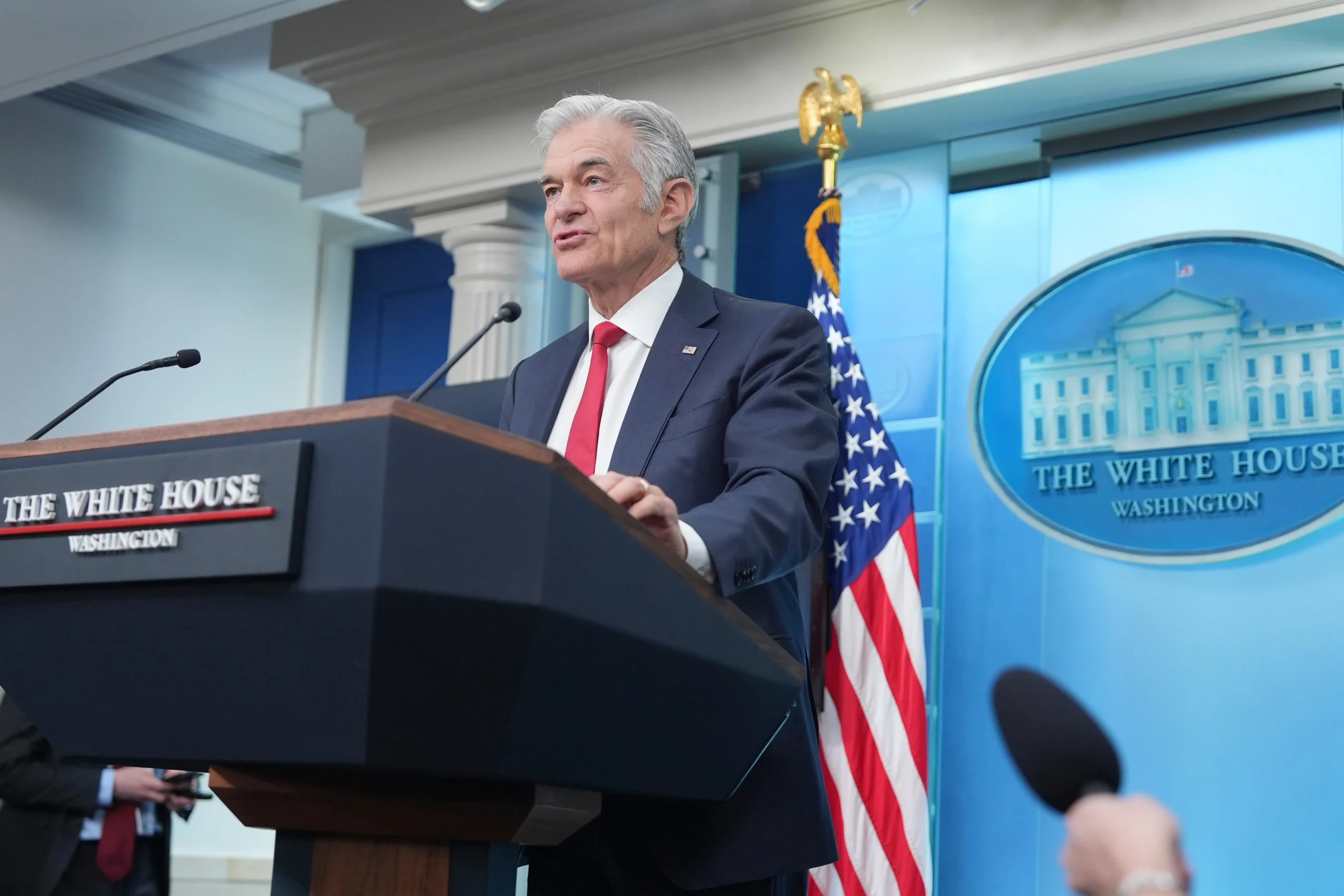
Provpnadvice.com – With the war against Iran now entering its eighth month and American families still paying the price at the gas pump, Energy Secretary Chris Wright made his case Sunday that the ongoing military campaign is not merely justified but indispensable. Speaking on ABC’s “This Week,” Wright framed the conflict as a necessary intervention to fundamentally reshape the geopolitical landscape of the Middle East, arguing that the United States must act now to secure what he called “generations of peace and prosperity” across the region.
The remarks came as the U.S. and Iran continued trading strikes over the weekend, with no visible pathway toward a permanent ceasefire or negotiated settlement. The absence of diplomatic progress has sharpened questions about how long the administration intends to sustain military operations and what economic consequences American households will continue to absorb.
The Nuclear Rationale
Wright anchored his defense of the war in the administration’s central strategic argument: that allowing Iran to develop a nuclear weapon would constitute an existential danger extending far beyond the borders of the Middle East. He told host Martha Raddatz that the stakes are global, not merely regional.
“A nuclear armed Iran is an existential threat, not just for the region, but for the world economy.”
Wright positioned President Trump’s decision to launch the campaign alongside Israel as a break from decades of what he characterized as incremental, ineffective responses by prior administrations. In his telling, earlier presidents had repeatedly deferred the problem rather than confronting it directly.
“I’m very proud of President Trump, not just kicking this can down the road like previous presidents have done, but saying we’ve got to end that capability. We’ve got to reset the Middle East so it can have generations of peace and prosperity.”
The framing echoes language the administration has used since the war’s inception in early March, when U.S. and Israeli forces struck Iranian nuclear and military sites. Officials have consistently described the objective as eliminating Iran’s ability to build a nuclear weapon, though critics have questioned whether that goal has been achieved or whether the conflict has expanded beyond its stated scope.
Human Cost on Both Sides
Seven months into the war, the toll has been substantial. Eighteen American service members have been killed in action. On the Iranian side, thousands of civilians have died, according to figures cited in coverage of the conflict. The continued exchange of strikes over the most recent weekend underscores that neither side has signaled a willingness to stand down, and no framework for a lasting peace agreement has emerged from diplomatic channels.
For American families, the human cost is compounded by economic strain that has persisted well beyond what many expected from a conflict of this duration. The Iranian military’s restrictions on commercial shipping through the Strait of Hormuz — the narrow waterway through which roughly one-fifth of the world’s oil supply normally passes — have created sustained pressure on fuel prices and broader inflation.
Gas Prices and the Hormuz Squeeze
The national average price of a gallon of regular gasoline stood at approximately $4.14 on Sunday, according to data from the American Automobile Association. That figure represents a marked increase from the period just before the war began, when the national average sat below $3. The gap between those two numbers — more than a dollar per gallon over roughly six months — has translated into tens of billions of dollars in additional household fuel spending.
The situation worsened over Labor Day weekend, when AAA reported that travelers were encountering the highest pump prices on record for that holiday period. For millions of Americans who drive long distances during the long weekend, the spike represented an immediate and tangible cost of a conflict unfolding thousands of miles away.
Wright acknowledged the shipping disruption while framing it as temporary and within the administration’s control. He stated that daily transit through the Strait of Hormuz has recovered to roughly two-thirds of its pre-war volume, a figure he noted includes oil moving through pipeline infrastructure rather than solely through tanker traffic. The U.S. military has been conducting escort operations to protect commercial tankers navigating the waterway, a mission that adds operational complexity and cost to an already extended deployment.
“They’re clinging on to power as the United States continues to escalate the volume of oil that transits through the Strait of Hormuz.”
Wright’s comment directed the blame for the shipping disruption squarely at the Iranian government, portraying the restrictions as a deliberate lever of economic pressure rather than a byproduct of battlefield conditions. The characterization matters politically: it positions the administration’s continued military presence in the Gulf not as an escalation but as a necessary countermeasure against Iranian coercion of global energy flows.
What Comes Next
The administration’s public posture, as articulated by Wright, leaves little room for a near-term de-escalation. The language of “resetting” the region implies a sustained commitment to reshaping the balance of power in the Middle East, not merely restoring the pre-war status quo. For policymakers in Washington, that ambition carries significant domestic risk: every additional month of conflict deepens the economic burden on American consumers while the political question of whether the stated nuclear objective has been met remains unresolved in public discourse.
For now, the strikes continue, the tankers still require escorts, and the price at the pump remains well above where it stood before the first bombs fell. Wright’s Sunday interview offered a rationale for all of it — but not, for most Americans watching the numbers at the gas station, a reason to feel the cost is already over.
Related Reading
Frequently Asked Questions
What is Wright says Iran war worth it?
Wright says Iran war worth it is the main topic of this guide. The article explains the context, practical details, and next steps readers should understand.
Why does Wright says Iran war worth it matter?
Wright says Iran war worth it matters because readers are looking for a useful answer, not just a short summary. Good content should match search intent and help them decide what to do next.