Former Air Force secretary questions ‘advice’ Trump received before starting Iran war

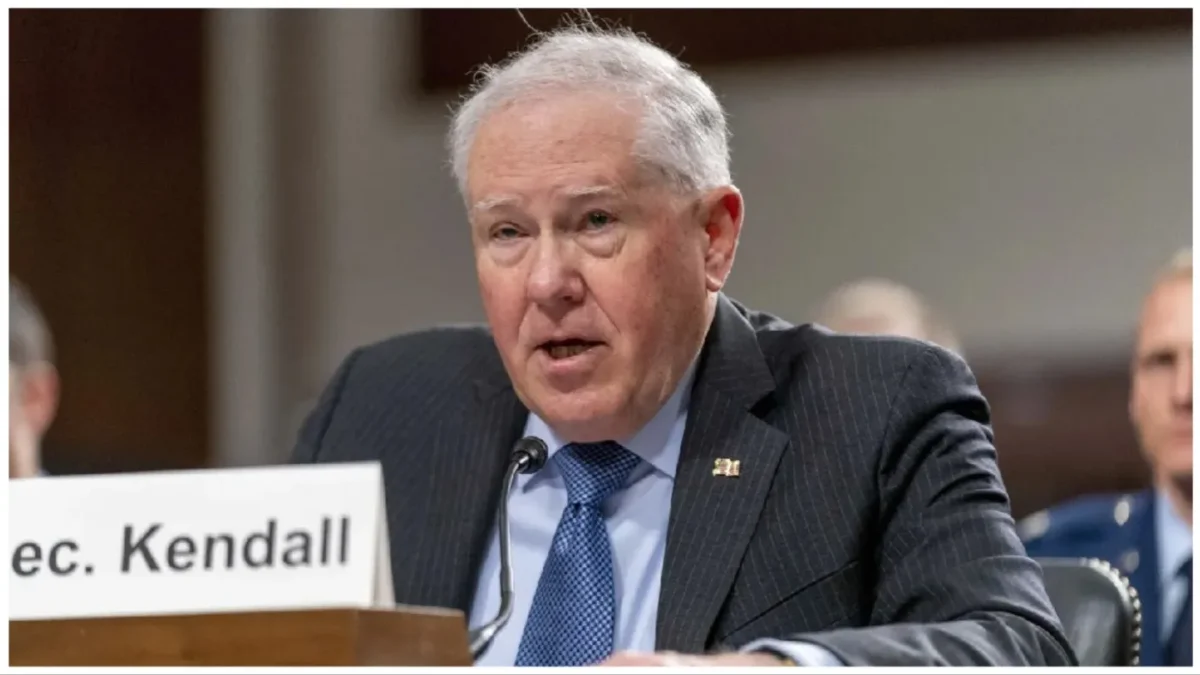
Table of Contents
Seventh Month of War: Former Pentagon Chief Asks Who Told Trump to Strike Iran
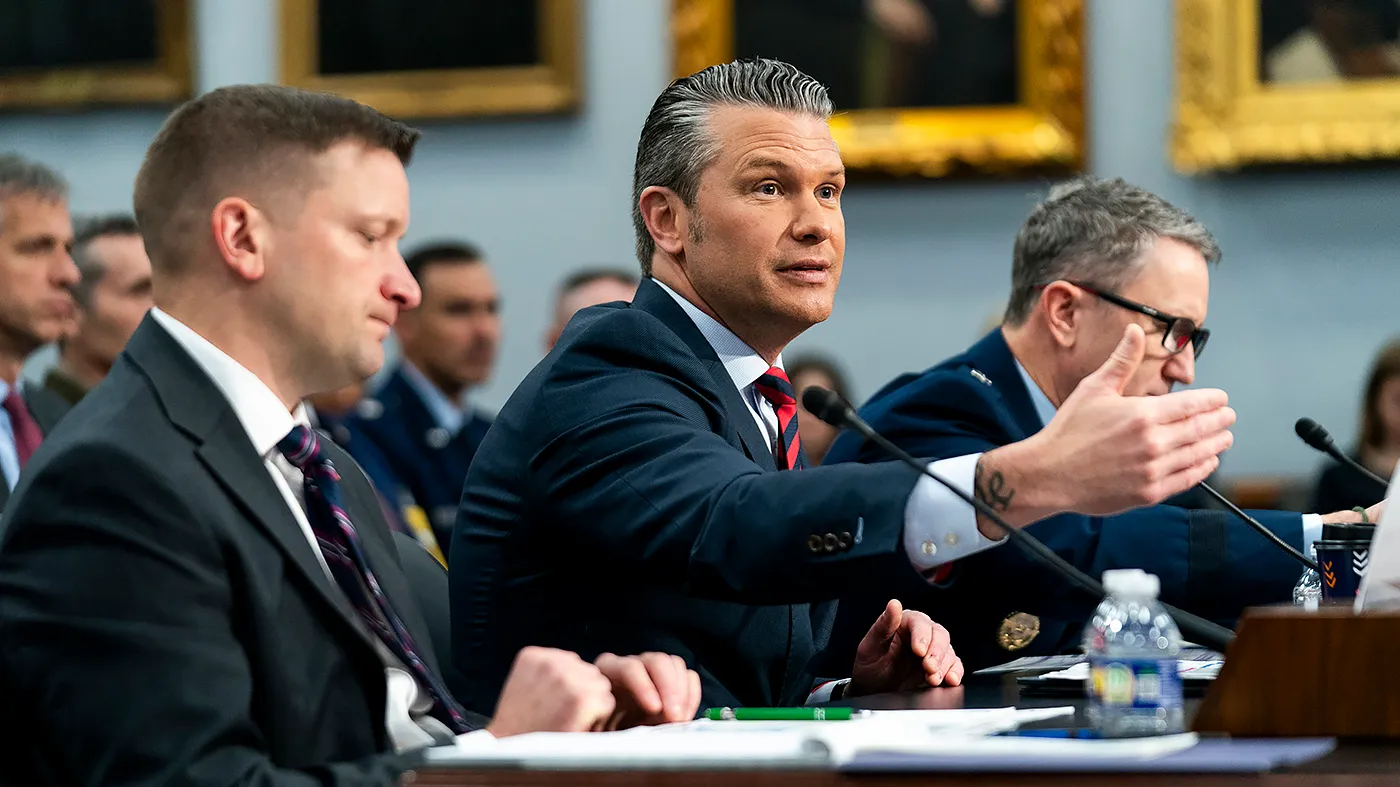
Provpnadvice.com – The United States and the Islamic Republic of Iran exchanged fresh salvos of strikes over the weekend, pushing the conflict into its seventh month with no visible pathway toward a negotiated settlement. Against that backdrop of continued escalation, Frank Kendall III — who served as Air Force Secretary throughout the Biden administration — turned his attention not to the battlefield itself but to the decision-making room in Washington. Speaking on ABC’s “This Week” on Sunday, Kendall pressed a question that has lingered since the first bombs fell: who exactly counseled the president toward war, and what did that counsel actually say?
“What I don’t understand, frankly, about the Iran war is what advice was given to the president that led him to start this conflict?”
Kendall posed the question to host Martha Raddatz without naming names or pointing fingers, yet the implication was unmistakable. In a system where the president’s closest military advisors are expected to lay out options, risks, and exit strategies before a single aircraft takes off, the absence of a transparent advisory record becomes its own story. Kendall, who oversaw the Air Force for roughly two years before leaving office, framed his remark as genuine puzzlement rather than partisan attack — but the timing, landing in the seventh month of an unresolved war, gives it the weight of an institutional audit.
A Toll That Keeps Climbing
The numbers behind the conflict have grown steadily worse since February. Eighteen American service members have been killed. On the Iranian side, thousands of civilians have died, a figure that continues to rise with each new round of exchanges. Beyond human lives, the war has consumed a significant share of the U.S. military’s interceptor missile inventory — the very systems designed to shoot down incoming threats. The Pentagon has responded by striking production agreements with several defense contractors over the past few weeks, a move that signals the Department of Defense expects the attrition to continue well beyond the current fiscal year.
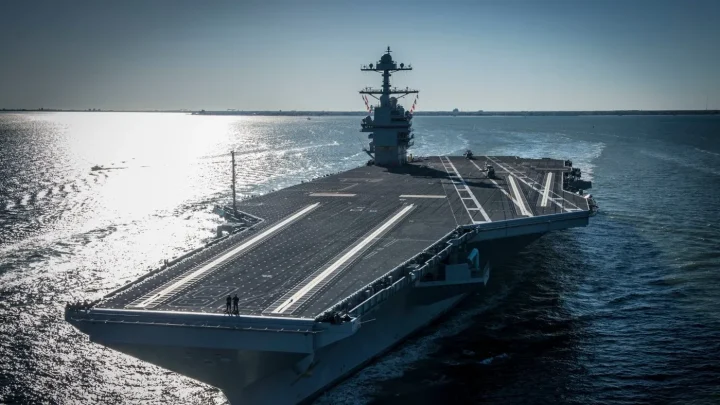
For readers tracking the broader strategic picture, the interceptor shortfall matters because it narrows the margin of safety the United States maintains over its own bases, carriers, and allied territory in the region. Every interceptor spent over Tehran is one fewer available to counter a ballistic missile aimed at a carrier group in the Gulf or a drone swarm over a forward operating location.
Succession and the Hardline Continuum
The initial joint U.S.-Israeli operation launched in February achieved a shock objective: it killed Ayatollah Ali Khamenei, the supreme leader who had governed Iran’s political and clerical architecture for decades. His son, Mojtaba Khamenei, stepped into the role, and the succession has proceeded without the internal upheaval some analysts had anticipated. Iranian officials under the younger Khamenei have continued to voice hardline positions toward Washington, suggesting that the regime’s institutional posture has not softened despite the loss of its founding-era leader.
Kendall drew a direct line between that reality and the expectations that apparently shaped the original strike plan. He noted that Trump never sought — and never received — a formal authorization from Congress to launch the war. In the absence of that legislative check, the president operated under executive prerogative alone.
“The results of the initial strike have been about as one would have predicted.”
He elaborated:
“The illusion that the Iranian regime would suddenly fall and this would be a very short conflict was not one that’s been held by anybody else until now.”
The remark lands with particular force because it implies that the advisory channel feeding the White House was either incomplete, selectively curated, or simply wrong about the most basic variable in any war plan: how long the adversary will fight and how quickly its leadership structure will fracture.
“Small Potatoes” Versus “Still in a Conflict”
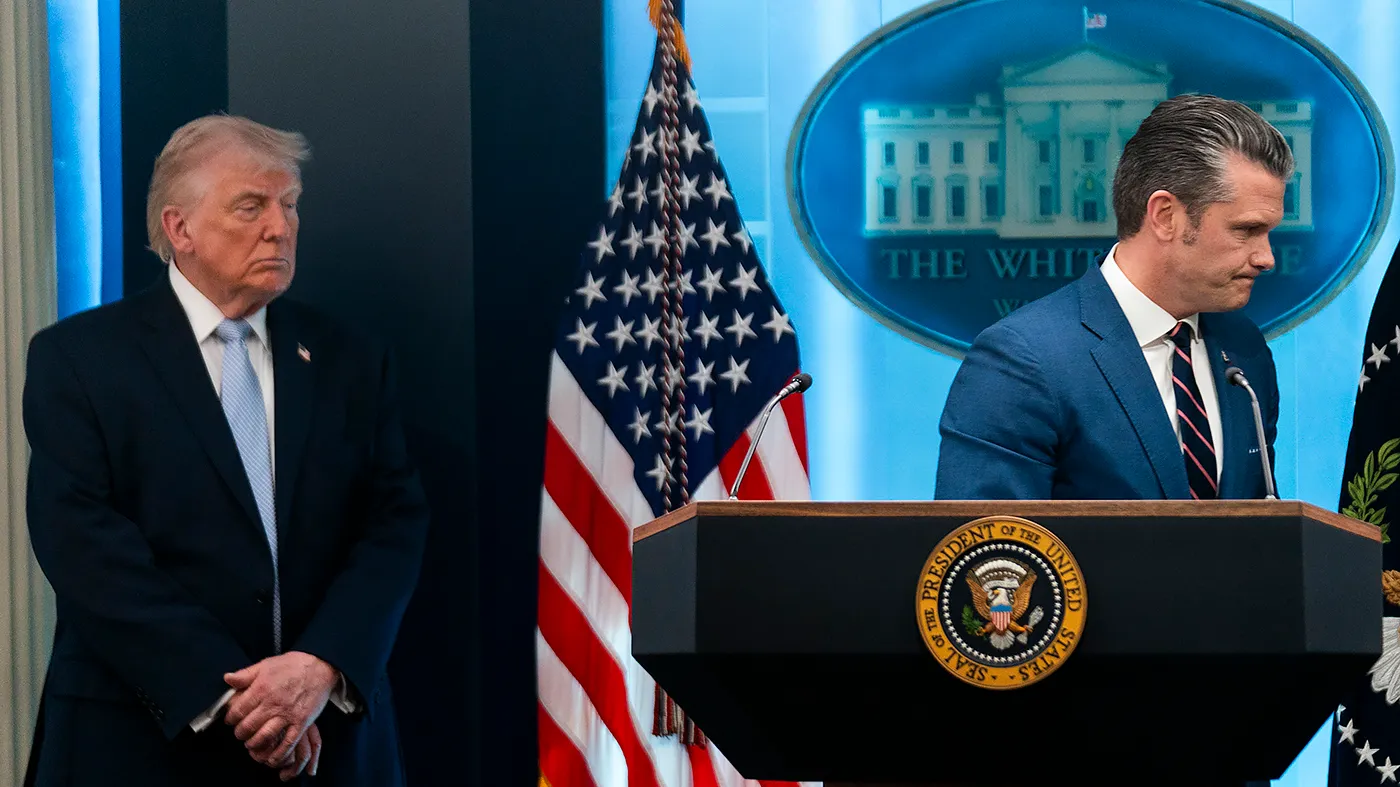
On Friday, President Trump characterized the ongoing war as “small potatoes” and said he “can understand” why Vice President Vance has publicly declined to label the hostilities a war. The framing suggests a preference for keeping the conflict linguistically contained — a skirmish, a campaign, an operation — rather than a full-scale war that would trigger statutory reporting obligations, potential draft considerations, and a different level of congressional scrutiny.
Energy Secretary Chris Wright, appearing earlier on the same Sunday broadcast, offered a less euphemistic read. Asked about the state of affairs, he acknowledged plainly that the United States is “still in a conflict” with Iran.
“It’s a challenge,” Wright told Raddatz. “Iran is doing everything they can to cling on to something.”
The gap between the president’s minimization and the cabinet secretary’s acknowledgment is itself a data point about how the administration is managing domestic expectations while the military continues to spend resources at a pace that outstrips peacetime budgets.
The Strait of Hormuz and the Pump
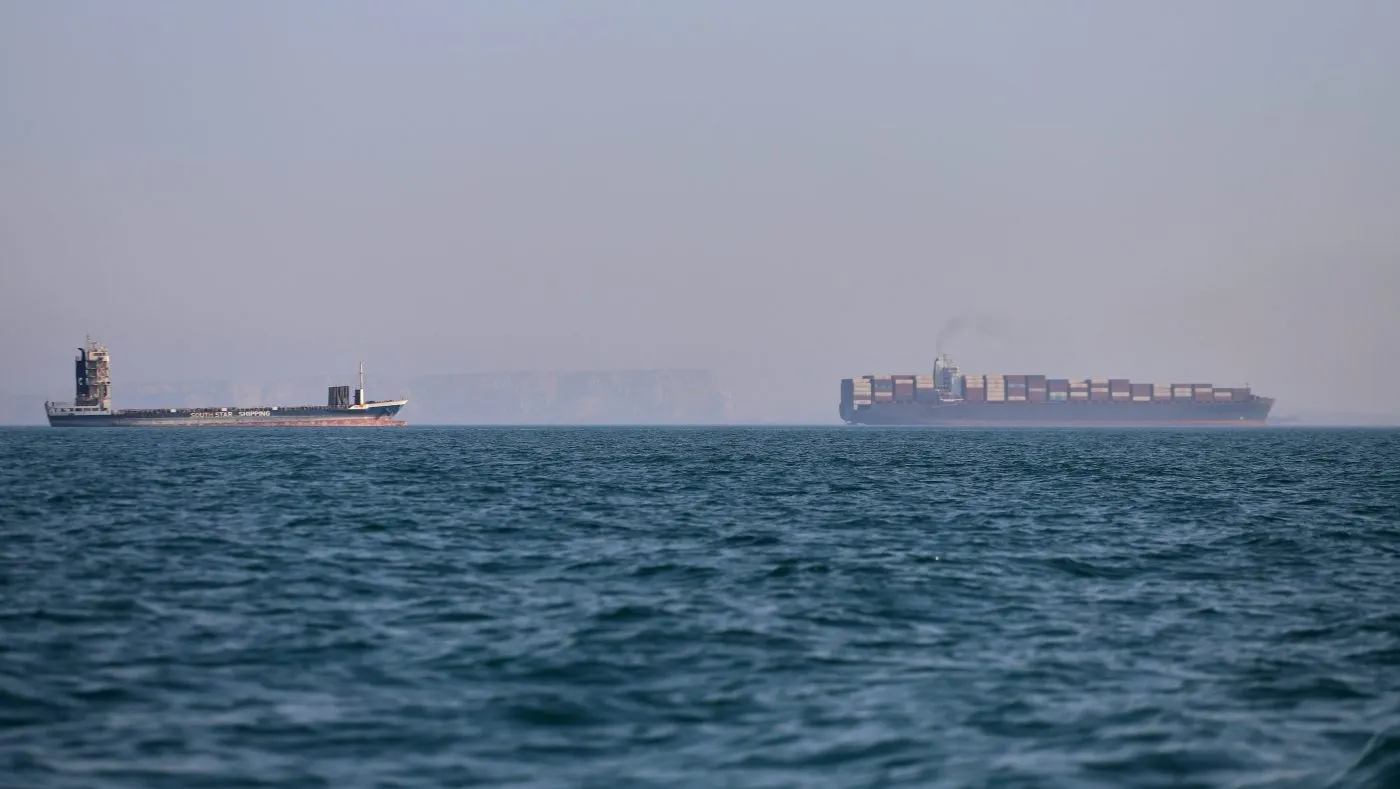
The war’s economic footprint has become visible at the gas station. Iranian military forces have restricted traffic through the Strait of Hormuz, the narrow waterway through which roughly a fifth of global petroleum shipments pass. The disruption has rippled into American fuel prices, which reached their highest level ever recorded for a Labor Day weekend. According to AAA, the national average hovered near $4.14 per gallon — a figure that translates into roughly $40 to $50 more per month for the average household filling a midsize vehicle twice a week.
For policymakers, the Hormuz constraint represents a second-order cost that no interceptor-missile contract can offset. It feeds inflation, pressures the Federal Reserve’s rate path, and gives voters a tangible, weekly reminder that the war is not abstract. That reminder, combined with Kendall’s public questioning of the advisory pipeline, sets up a political environment in which the administration must either produce a credible end-state or absorb growing scrutiny over how the conflict was authorized, advised, and sustained.
As the seventh month closes without a ceasefire, without a Congressional vote, and without a visible reduction in strike tempo, the question Kendall raised on Sunday stops being a retrospective curiosity. It becomes the operative question: who told the president this would be short, and what happens now that it has not been?
Related Reading
Frequently Asked Questions
What is Former Air Force secretary questions advice?
Former Air Force secretary questions advice is the main topic of this guide. The article explains the context, practical details, and next steps readers should understand.
Why does Former Air Force secretary questions advice matter?
Former Air Force secretary questions advice matters because readers are looking for a useful answer, not just a short summary. Good content should match search intent and help them decide what to do next.