Live updates: Judge ready to declare mistrial in Clancy trial; August posts strong jobs numbers

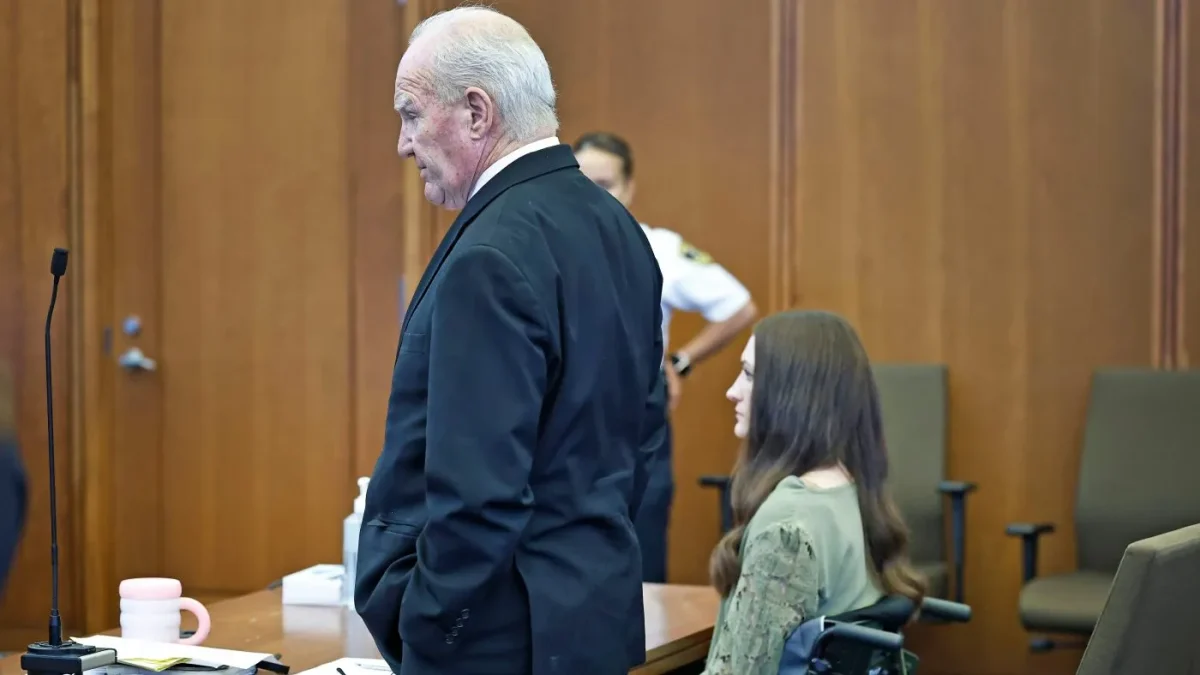
Table of Contents
- Jobs Report Beats Forecasts as Election Mail-Ballot Fight Escalates to Supreme Court
- Mail-Ballot Restrictions Hit a Legal Wall — and Now the Supreme Court
- Clancy Murder Trial Ends in Mistrial After Deadlocked Jury
- Stars and Stripes Staffers Challenge Pentagon Termination Notices in Court
- White House Schedule: Executive Order Signing Before Holiday Weekend
- Related Reading
- Frequently Asked Questions
Jobs Report Beats Forecasts as Election Mail-Ballot Fight Escalates to Supreme Court
Provpnadvice.com – The American labor market delivered a firmer-than-anticipated result last month, adding 162,000 positions in a figure that exceeded most economists’ projections. The number, released by the Bureau of Labor Statistics, signals that hiring momentum has not fully cooled despite the Federal Reserve’s sustained higher interest-rate environment. For policymakers watching inflation and employment simultaneously, a print of that magnitude complicates the narrative that the economy is decelerating toward a soft landing. It also tempers, at least temporarily, talk of near-term rate cuts that had been building in financial markets.
The jobs data lands at a politically charged moment. With midterm elections approaching, the strength of the number will be seized upon by both parties: administration allies will frame it as evidence that economic policy is working, while critics will note that wage growth has lagged behind price increases for much of the past two years. The 162,000 figure, while solid, does not by itself settle the broader debate over whether the labor market is overheating or simply stabilizing after the post-pandemic correction.
Mail-Ballot Restrictions Hit a Legal Wall — and Now the Supreme Court
On the same day the jobs report dropped, North Carolina prepared to begin mailing absentee ballots for its general election, a routine step in the state’s voting calendar. Yet the act of putting those envelopes in the mail has become entangled in a federal legal battle that now stretches all the way to the nation’s highest court.
The Trump administration had sought, through executive order, to impose new restrictions on how ballots are mailed and counted. A federal judge blocked that effort, and the administration is appealing the ruling. On Thursday, the Department of Justice formally petitioned the Supreme Court to lift the injunction, asking justices to allow the restrictions to proceed while the appeal winds through lower courts. The request effectively asks the Court to intervene before the appellate process has run its course — a step that, if granted, would accelerate a politically sensitive question about voting access into the most visible courtroom in the country.
North Carolina’s State Board of Elections convened at 9 a.m. Eastern Daylight Time on Friday to issue guidance to county boards on how to handle the mailing of ballots under the current legal constraints. The timing is compressed: counties need clear instructions before the statutory mailing window opens, and any ambiguity risks either delaying ballots or creating procedural challenges later. For voters accustomed to receiving a ballot in the mail weeks before Election Day, the uncertainty adds a layer of anxiety to an already stressful election cycle.
The broader implication is significant. If the Supreme Court grants the emergency stay, executive-branch rules on ballot handling could take effect before millions of absentee ballots are even cast. If it denies the request, the lower-court block remains in place and states continue operating under existing state law. Either outcome will shape campaign strategy, voter-education messaging, and likely spawn additional litigation in the weeks ahead.
Clancy Murder Trial Ends in Mistrial After Deadlocked Jury
In a separate courtroom development, the judge presiding over the Lindsay Clancy murder case announced Friday that he was declaring a mistrial. The jury had been unable to reach a unanimous verdict, meaning the state would need to seek a new trial if it wished to pursue the case further.
Before the declaration took effect, defense attorney Kevin Reddington moved for an immediate stay of the mistrial order. Rather than ruling on the motion on the spot, the judge granted the defense one hour to file an appeal, effectively pausing the declaration while the legal question was briefed. A mistrial does not mean the defendant walks free; it resets the procedural clock. Prosecutors retain the option to re-indict and retry, though the practical costs — witness availability, juror fatigue, public attention — make a second attempt logistically harder than the first.
The Clancy case had drawn sustained public interest, and the mistrial announcement will likely reignite debate over jury dynamics, prosecutorial strategy, and whether the evidence presented was sufficient to command a unanimous verdict. The one-hour appeal window gives the defense a narrow but real opportunity to argue that the judge erred in declaring the mistrial rather than giving the jury additional time to deliberate.
Stars and Stripes Staffers Challenge Pentagon Termination Notices in Court
Personnel from the military newspaper Stars and Stripes, whom the Department of Defense has moved to terminate, were scheduled to appear before a Washington-area court on Friday morning to contest their dismissal notices. The case touches on questions of due process, the scope of executive authority over military media, and whether termination of newsroom staff requires the same procedural safeguards afforded to civilian federal employees.
For the staffers involved, the Friday hearing represents a first judicial test of whether the Pentagon’s action can stand. A favorable ruling could preserve their positions pending further review; an unfavorable one would likely push the dispute into appellate channels. The matter also carries symbolic weight for military journalism, where editorial independence has long been a point of institutional pride.
White House Schedule: Executive Order Signing Before Holiday Weekend
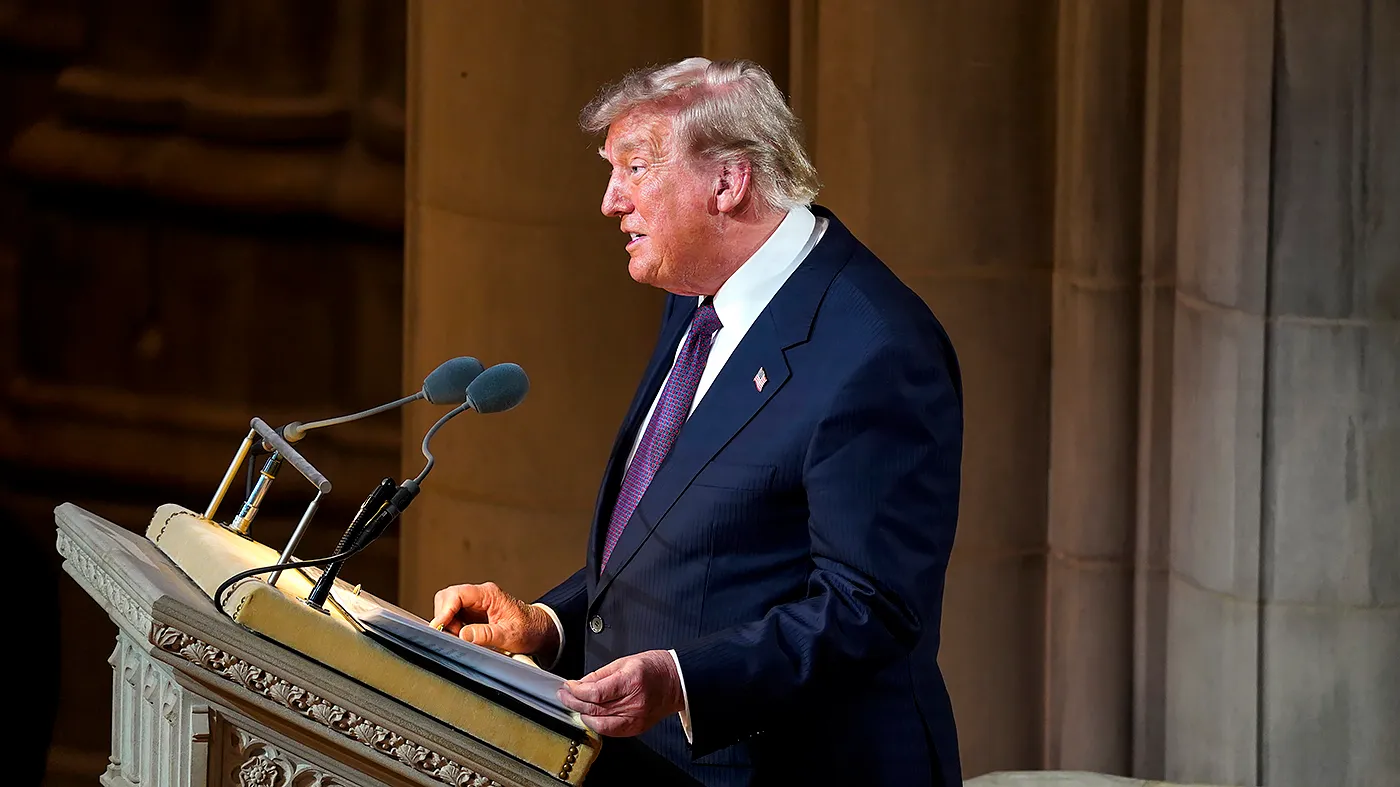
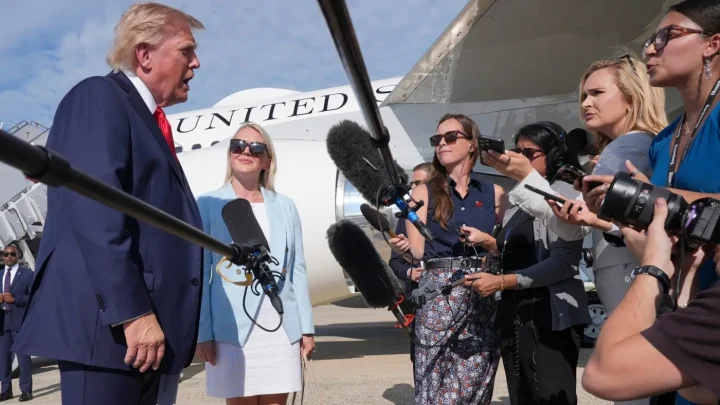
President Trump’s Friday agenda included a policy meeting and the signing of an executive order before he departed for New Jersey to observe the holiday weekend. The specific subject of the order was not detailed in the public schedule, but its timing — immediately before a long weekend and amid the ballot-restriction litigation — places it within the broader context of the administration’s push to shape election administration through executive action.
The convergence of a strong jobs number, a Supreme Court petition over mail-ballot rules, a mistrial in a high-profile murder case, and a Pentagon employment dispute on a single Friday underscores how densely packed the current news cycle has become. Each story operates in its own domain — labor economics, election law, criminal procedure, military media — yet together they illustrate the breadth of issues now moving simultaneously through courts, agencies, and legislatures.
Related Reading
Frequently Asked Questions
What is Live updates: Judge ready to declare mistrial in Clancy trial; August posts strong jobs numbers?
Live updates: Judge ready to declare mistrial in Clancy trial; August posts strong jobs numbers is the main topic of this guide. The article explains the context, practical details, and next steps readers should understand.
Why does Live updates: Judge ready to declare mistrial in Clancy trial; August posts strong jobs numbers matter?
Live updates: Judge ready to declare mistrial in Clancy trial; August posts strong jobs numbers matters because readers are looking for a useful answer, not just a short summary. Good content should match search intent and help them decide what to do next.