Democratic senators ask McMahon for details on student loan administration spending

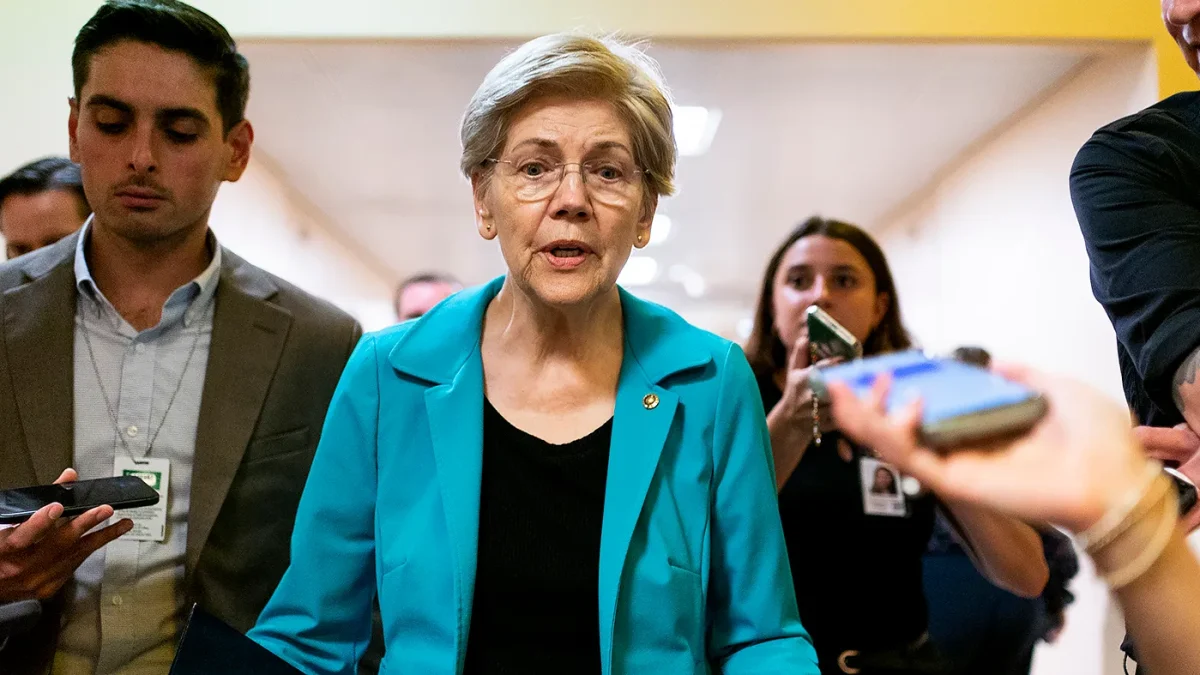
Table of Contents
Democratic Senators Ask McMahon for Details
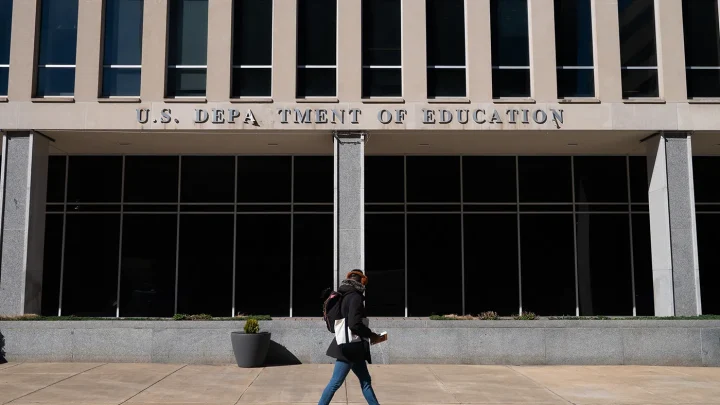
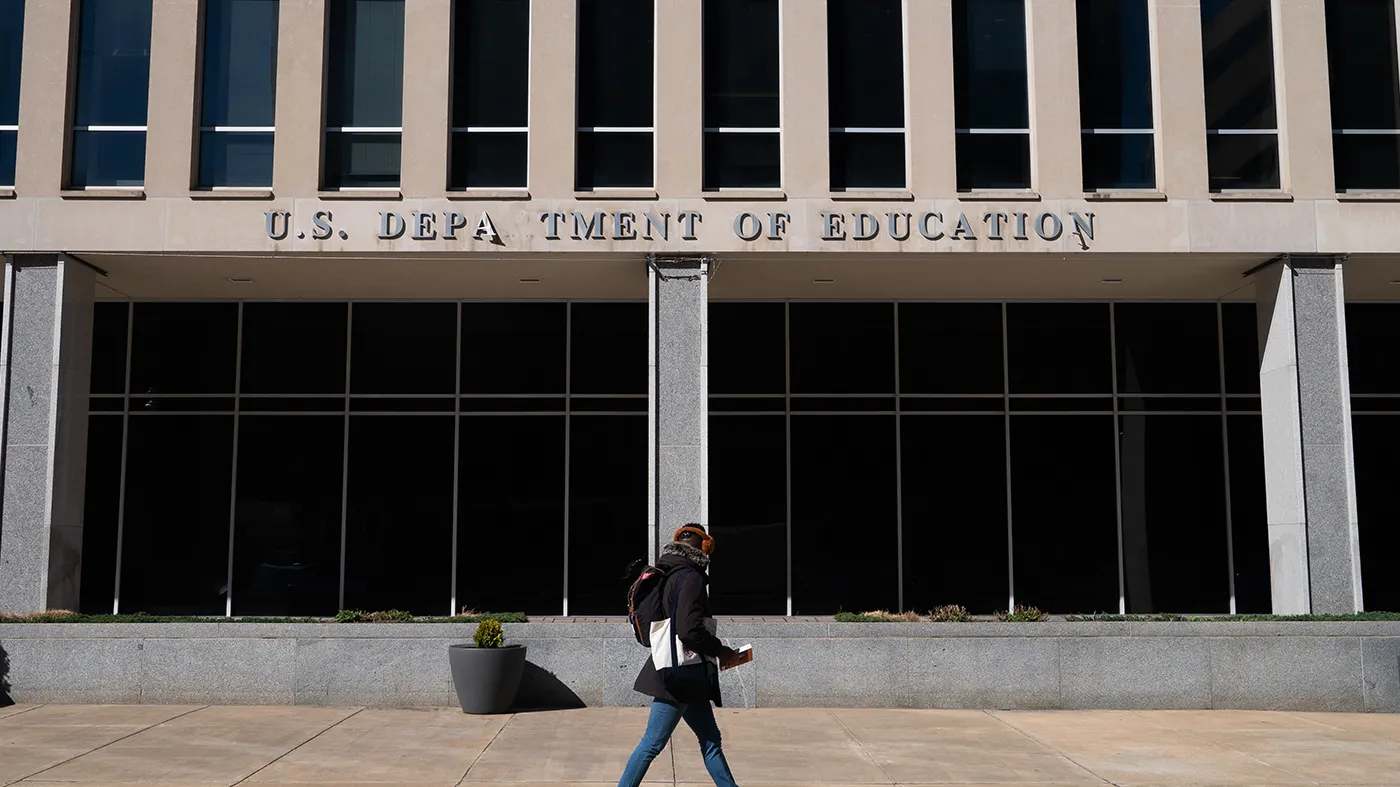
Provpnadvice.com – Democratic senators ask McMahon for details on how the Department of Education spent a billion-dollar allocation meant to administer the federal student loan portfolio. With delinquency rates climbing and over 7.5 million borrowers facing a hard deadline to change repayment plans, the four lawmakers demanded a line-item accounting of every dollar drawn from the fiscal-year-2025 student-aid administration budget.
The joint letter, delivered Wednesday, came from Sens. Cory Booker (D-N.J.), Jeff Merkley (D-Ore.), Chris Van Hollen (D-Md.), and Elizabeth Warren (D-Mass.). It set a response deadline of September 16 and asked the secretary to specify whether the roughly $215.5 million already disbursed went to compensate loan servicers, operationalize the interagency agreement with Treasury, or fund borrower-outreach campaigns run by the Federal Student Aid office.
Where Did the Money Go?
The $1 billion traces to the One Big Beautiful Bill Act, the sweeping tax-and-spending package President Trump signed the prior year. Congress directed that sum specifically toward student-aid administration for fiscal 2025. Yet the department’s own fiscal-2027 budget submission revealed that only about $215.5 million had been spent by the time fiscal 2026 opened in October, and more than $452.4 million was projected to lapse unspent when the year closed on September 30 — roughly 45 percent of the allocation.
The senators characterized the department’s inability to explain the disposition of even the modest sum already drawn as a failure of basic accountability. They pressed McMahon for specifics on each expenditure category and warned that opaque bookkeeping in a system managing $1.65 trillion in outstanding debt is unacceptable.
A Default Crisis Accelerating
The letter’s timing coincides with worsening macro data. The Federal Reserve Bank of New York’s latest quarterly household-debt report shows 10.6 percent of all student loan balances were at least 90 days past due in the second quarter of 2026, up from 10.3 percent the prior quarter. The Education Data Initiative pegs the average federal loan balance at $40,467 per borrower, a figure that underscores how quickly a missed payment cascades into full default for households already stretched thin.
The One Big Beautiful Bill Act also restructured the repayment architecture. Two new plans now govern loans originated after July 1 of this year: the Tiered Standard Plan, which scales monthly obligations by principal balance, interest rate, and repayment term, and the Repayment Assistance Plan, which ties payments to income and dependents. Simultaneously, the department is winding down the Saving on a Valuable Education (SAVE) plan, a Biden-era income-driven option already enjoined by multiple federal judges in 2024. More than 7.5 million borrowers still enrolled in SAVE must select a replacement pathway before September 30 or face automatic migration into the tiered or legacy standard schedule.
The senators warned that such automatic migration would sharply increase monthly obligations. “Moving from the SAVE plan to the standard repayment plan will ‘dramatically raise monthly payments for borrowers’ and put them ‘at an elevated risk of default,'” the letter stated.
Beyond repayment mechanics, the lawmakers pressed a structural question: whether the administration’s push to shift student-loan administration from Education to Treasury constitutes a genuine efficiency gain or a politically motivated dismantling of the department. They framed the interagency transfer as offering no tangible borrower benefit while contravening existing federal statutory assignments.
Frequently Asked Questions
What exactly did the senators request? They asked Education Secretary Linda McMahon to itemize every expenditure drawn from the $1 billion fiscal-2025 student-aid administration allocation, specifying whether funds went to servicer compensation, the Treasury interagency agreement, or borrower-outreach operations.
When is the response deadline? The letter set September 16 as the date by which the department must reply.
How many borrowers are affected by the SAVE plan sunset? More than 7.5 million borrowers currently enrolled in SAVE must choose a replacement repayment plan before September 30 or be automatically migrated into the tiered standard or legacy standard schedule.
What percentage of the $1 billion allocation is projected to go unspent? Approximately 45 percent — over $452.4 million — was projected to lapse when fiscal 2025 closed on September 30, according to the department’s own fiscal-2027 budget filing.