CBP extends pause of some border construction, including in Texas national park

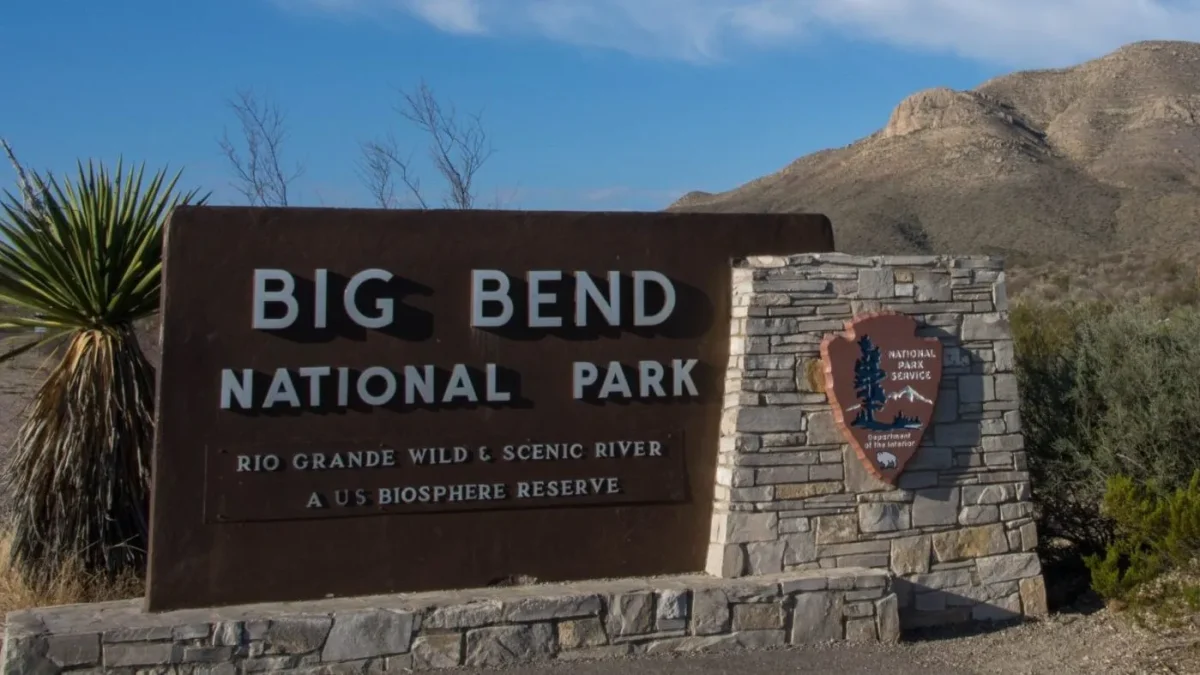
Table of Contents
Border Wall Work in Big Bend Stalls Again as CBP Extends Pause Through Late 2026
Provpnadvice.com – Construction crews along the Rio Grande corridor in far-western Texas will stand down once more. Customs and Border Protection has told a federal court it will halt all ground-disturbing activity tied to two segments of the administration’s border barrier program — designated Big Bend 2 and Big Bend 4 — until September 30, 2026. The stated reason is to open a longer window for public engagement with the communities whose land and livelihoods sit directly in the path of the planned structures.
The announcement came through a written communication to Federal District Judge Jason Pulliam, who has been overseeing litigation over the projects. In his Wednesday ruling, Pulliam relayed the agency’s position: the pause exists “to allow for additional public engagement” before any earthwork resumes in the region.
Two Projects, One Park, and a Fragile Landscape
On the government’s own mapping of its border-construction portfolio, the Big Bend 4 segment is the one that threads directly through Big Bend National Park, one of the oldest and most ecologically sensitive protected areas in the lower 48 states. The Big Bend 2 project runs in close proximity, affecting adjacent private ranchland and small-town access routes. Together, the two segments represent a substantial physical footprint in a landscape where the Chihuahuan Desert meets the river, and where decades of conservation work have shaped the terrain.
CBP has clarified that its in-park work will not feature the 30-foot steel or concrete wall that characterizes many other stretches of the administration’s barrier program. Instead, the agency has signaled interest in alternative border-security technologies suited to the terrain — a point it has reinforced in public statements since the pause was first announced.
The Lawsuit That Triggered the Legal Clock
The litigation now before Pulliam began when a local landowner filed suit after receiving a formal notice that his property would be condemned to make way for the border construction. The plaintiff described a cascade of harms: loss of direct access to the Rio Grande, disruption of a small touring operation that depended on riverfront sightseeing, interference with personal recreation on his own land, and a measurable decline in property value. For a community where ranching, ecotourism, and outdoor recreation form the economic backbone, such a condemnation notice carries weight well beyond the individual parcel.
The case forced the court to examine whether the agency had satisfied its procedural and environmental obligations before moving equipment onto private and public land. That examination, combined with broader public opposition, set the stage for the pause now in effect.
Environmental Waivers and the Speed-Up Mandate
The pause does not arrive in a legal vacuum. Earlier this year, the Department of Homeland Security invoked statutory waivers of environmental review requirements in an effort to accelerate border-construction timelines across multiple states. The move was intended to compress permitting and impact-assessment steps that typically take years. In Big Bend, however, the waiver backfired politically: local residents, conservation groups, and landowners argued that skipping environmental scrutiny in a national-park setting was precisely the kind of shortcut that would generate litigation and delay rather than save time.
CBP acknowledged the community’s concerns and said it would seek feedback before resuming work. The current extension — pushing the deadline to September 2026 — represents a further concession to that pressure, giving stakeholders roughly another year of dialogue before any machinery returns to the site.
CBP’s Technology Pivot
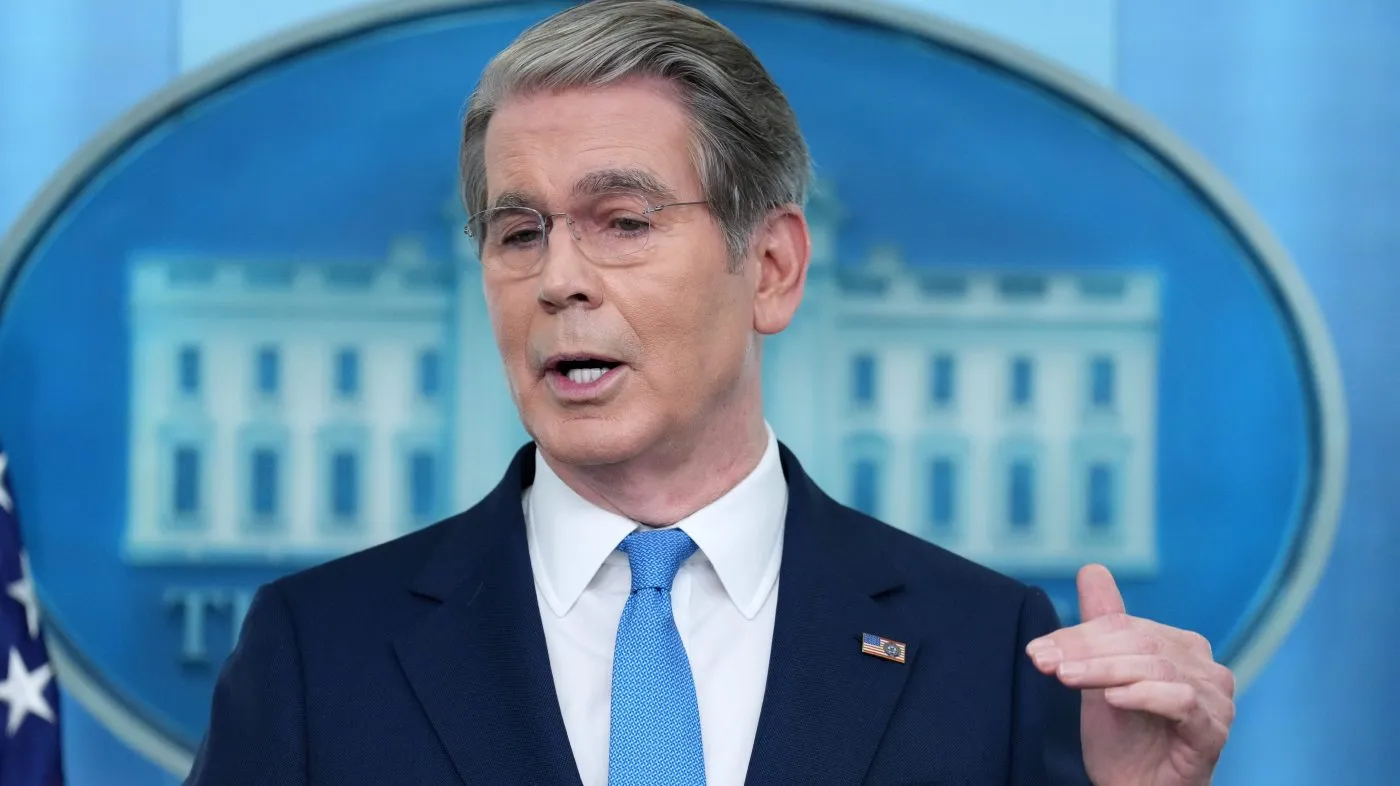
In a written statement issued after the court filing, a spokesperson for the border agency outlined the agency’s current posture. The statement noted that CBP Commissioner Rodney Scott had met with local stakeholders to discuss border-security technology options within Big Bend National Park.
“We are working to preserve the landscape and protect the access visitors and local businesses depend on. We are currently evaluating technology options to meet President Trump’s mission of zero illegal border crossings while strengthening the most secure border in American history in highly remote and hard-to-access area,” the spokesperson added.
The language signals a strategic recalibration. Rather than defaulting to a continuous physical wall in every terrain, the agency appears to be weighing sensor arrays, camera networks, and other non-structural detection tools for the most remote and topographically challenging stretches. Whether those alternatives satisfy both the administration’s stated goal of eliminating illegal crossings and the community’s demand for minimal physical disruption remains an open question that the extended engagement period is meant to answer.
What the Extended Pause Means on the Ground
For ranchers, outfitters, and park visitors in the Big Bend area, the extension buys time but does not resolve the underlying conflict. The condemnation notices, the environmental-waiver controversy, and the question of whether any permanent structure will ultimately cross parkland all remain live issues. The September 2026 deadline gives local officials, tribal representatives, conservation organizations, and affected landowners a defined window to press their positions before the next phase of construction decisions is made.
Until then, the Rio Grande will flow unobstructed through the park, the touring boats will keep running, and the question of what — if anything — will be built in one of America’s oldest national parks will continue to be debated in courtrooms, town halls, and agency meeting rooms across the region.
Related Reading
Frequently Asked Questions
What is CBP extends pause of some border?
CBP extends pause of some border is the main topic of this guide. The article explains the context, practical details, and next steps readers should understand.
Why does CBP extends pause of some border matter?
CBP extends pause of some border matters because readers are looking for a useful answer, not just a short summary. Good content should match search intent and help them decide what to do next.