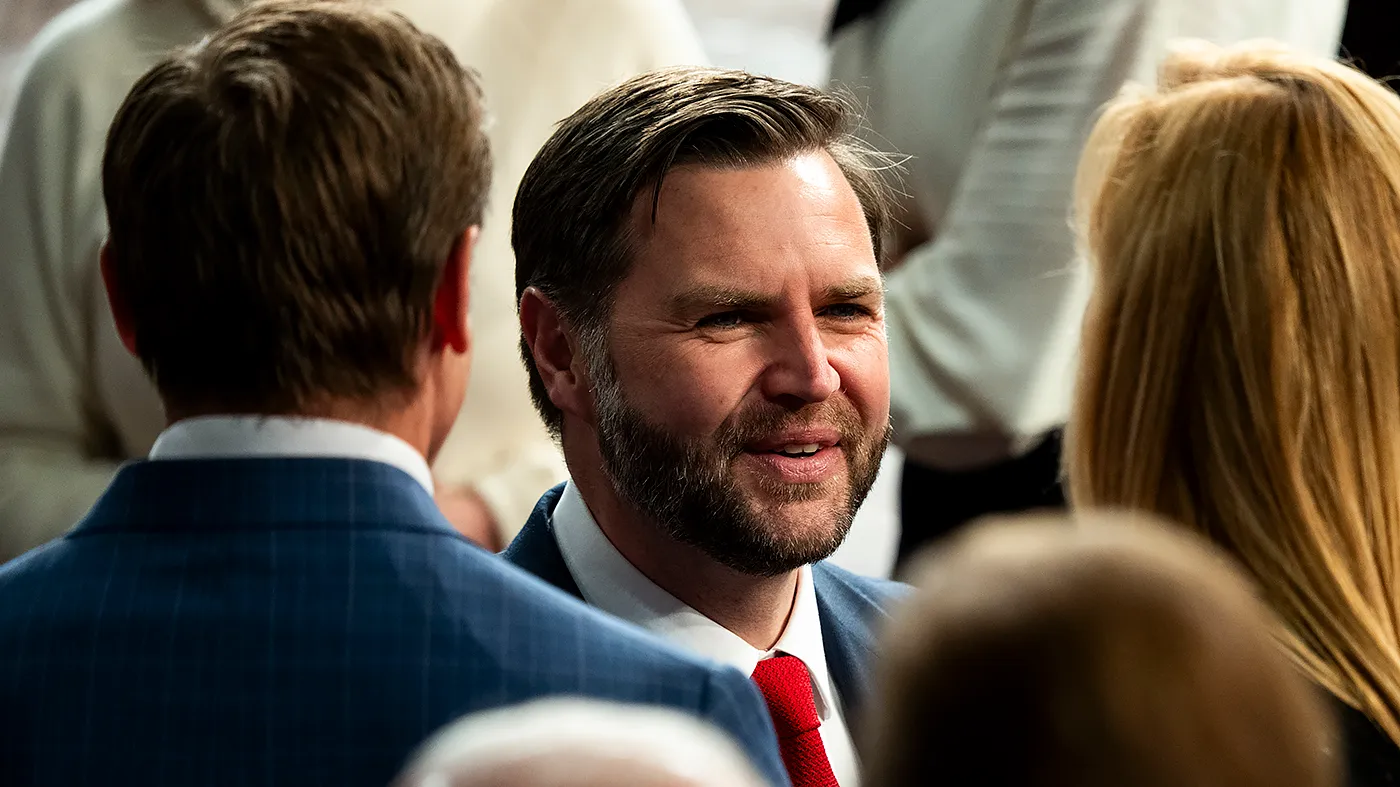
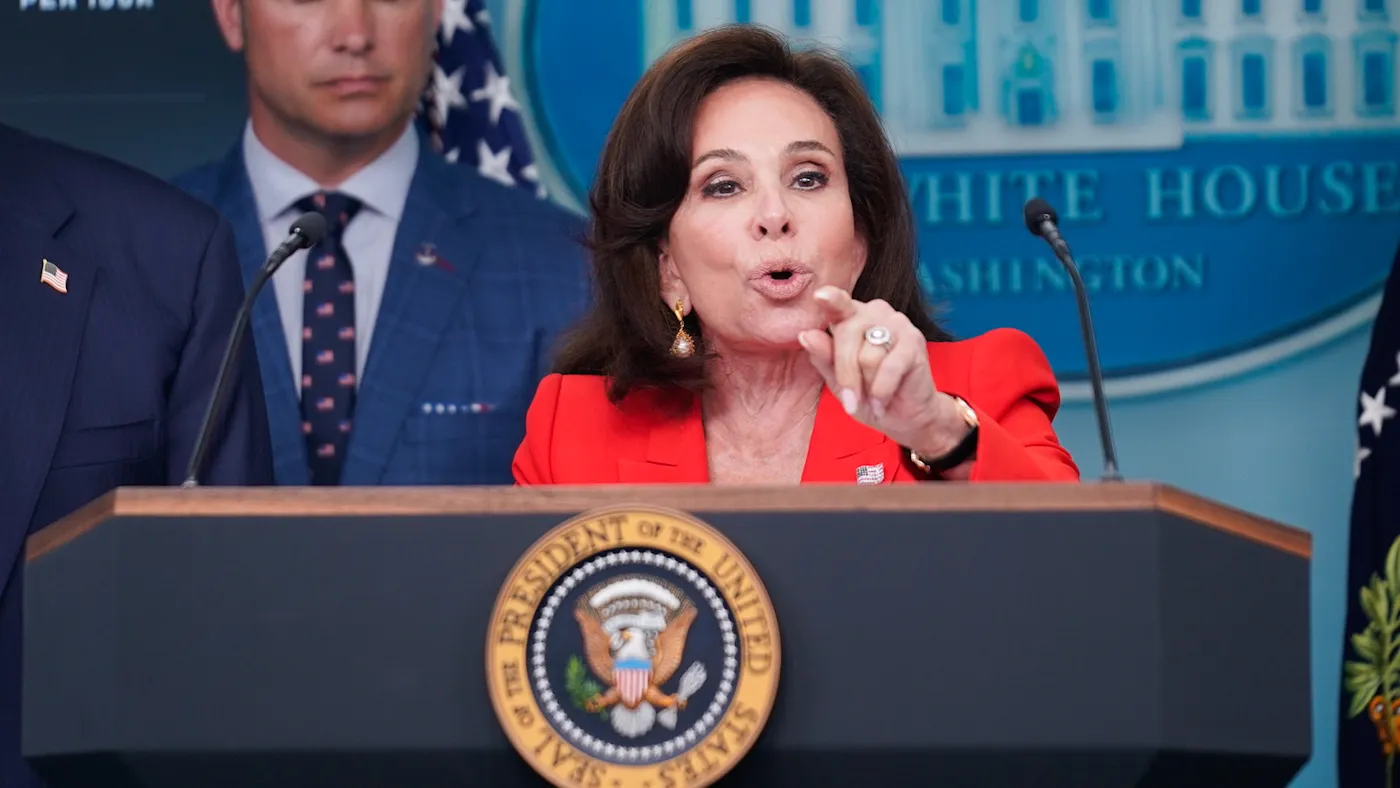
Vance calls El-Sayed ‘very, very evil’

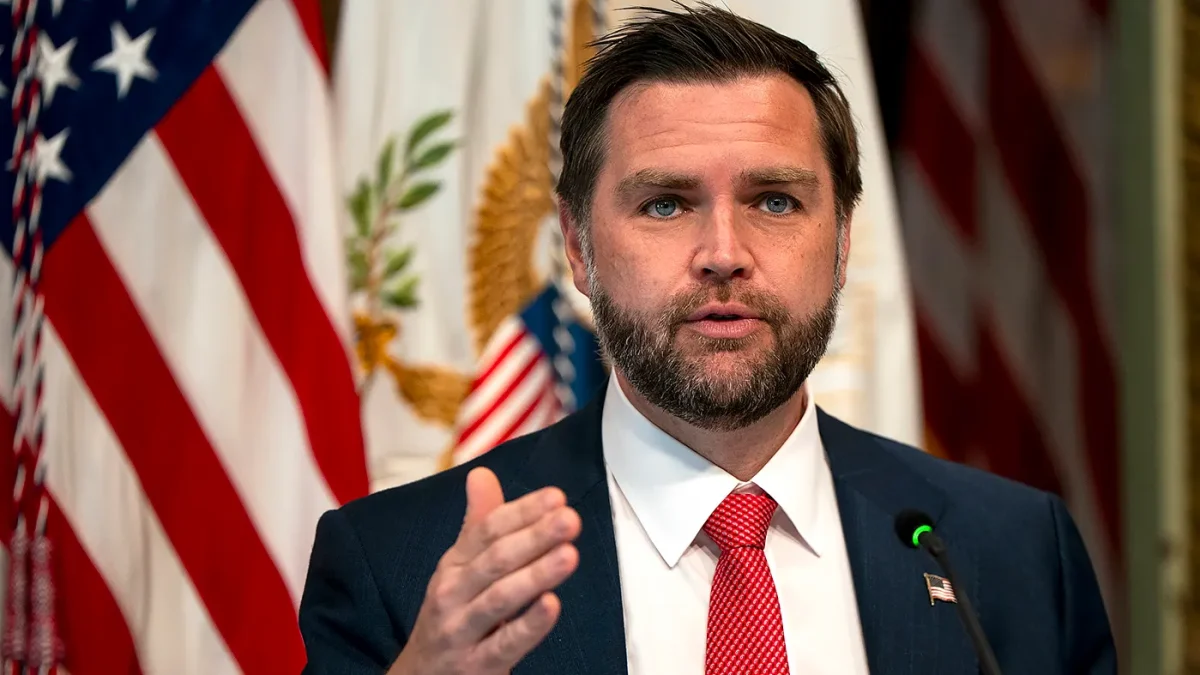
Table of Contents
Vance Brands El-Sayed “Evil” in Detroit Rally, Escalating Michigan Senate Clash
Provpnadvice.com – The race for Michigan’s open Senate seat took a sharp turn on Monday when Vice President JD Vance took the stage in Detroit and delivered what amounted to a personal indictment of Democratic nominee Abdul El-Sayed, calling him “very, very evil” and tying his candidacy to a broader cultural threat he said is reshaping American politics.
The remarks came at a campaign-style rally where Vance framed El-Sayed not merely as a political opponent but as a symbol of what he described as a factional mindset that prioritizes one identity group over the whole citizenry. The language was unusually blunt even by the standards of a 2026 general-election season, and it immediately drew responses from both camps in a state where the Senate contest is expected to be among the closest of the year.
“Very, Very Evil” and the Charge of Tribal Politics
“There’s something about Abdul El-Sayed that is very, very evil and on the rise in the United States of America today.”
Vance elaborated that his objection centered on candidates who, in his view, position themselves as champions of a single community rather than as representatives of every resident regardless of faith, race, or background.
“It’s people who see themselves not as citizens of a combination, fighting for every single person, whether they’re Jewish or Christian, whether they’re white or Black or brown, but see themselves as fighting for one group at the expense of others. And that is how, ladies and gentlemen, you destroy the United States of America.”
The framing placed El-Sayed, a former federal official and longtime Detroit community organizer, squarely in the crosshairs of the administration’s messaging apparatus. By invoking the phrase “on the rise,” Vance suggested the problem was systemic rather than isolated to one candidate, a rhetorical move designed to widen the target beyond a single ballot line.
The Hasan Piker Factor
A second pillar of Vance’s critique focused on El-Sayed’s decision to campaign alongside Twitch streamer Hasan Piker during the Democratic primary. Piker, who commands a large online following among younger voters, had earlier made remarks suggesting that the United States “deserved” the September 11, 2001, terrorist attacks — comments he later walked back with a public apology. Vance seized on that history to paint El-Sayed as sympathetic to voices hostile to American Jews.
“When I see Abdul El-Sayed campaign around this state with somebody who said that America deserved 9/11, what I see is a man who has sympathy and compassion for people who share his religion but have nothing for people who don’t. A person who will apologize for a murderer so long as he looks the right way but will not understand the plight of an innocent child if that person has the wrong faith.”
Piker’s presence in the race has been a recurring flashpoint. Though he does not appear on any ballot, the streamer has taken a central organizing role in the state’s Senate contest, appearing at rallies and producing content that reaches millions of viewers. His recent comments — including the observation that “Jews in America keep putting this idea out there that they are singularly invested in Israel, eventually someone’s going to come around and take action,” followed by the clarification “Not against the state of Israel, mind you, but against American Jews” — generated backlash across the political spectrum and intensified scrutiny of El-Sayed’s campaign choices.
El-Sayed Responds: Drawing a Line
In a written statement issued after the Piker controversy intensified, El-Sayed drew a firm boundary around his own campaign communications.
“Nobody speaks for this campaign besides me and my campaign spokespeople.”
He further stated that his commitment to Jewish safety “is the same” as his commitment to protecting his own daughters, and he characterized antisemitism as “a scourge.” The language was calibrated to reassure Jewish voters and community leaders without conceding that Piker’s remarks reflected campaign positions.
The Synagogue Attack and the “Hurt People” Remark
El-Sayed spent much of the weekend in direct outreach to the Jewish Democratic caucus in Michigan, a group that had raised concerns after his March comments made in the aftermath of an attack on a Detroit-area synagogue. In that earlier exchange, he had said “hurt people hurt people,” a phrase that drew criticism from some in the Jewish community as minimizing the terror of the event.
“We condemned that terrorist attack. We condemned it outright. What I was trying to do was offer context for why it happened, but it wasn’t the time for context, and you don’t ever want to trample somebody’s pain,”
he told reporters over the weekend, effectively conceding the timing was poor while defending his intent.
Vance, however, turned that episode into a Monday talking point, telling his Detroit audience that the synagogue’s rabbi and its security guards were present at the rally — a pointed reminder that the victims’ community was watching the exchange unfold in real time.
El-Sayed’s Counter-Punch: Trade War and Rogers
Before Vance arrived in the city, El-Sayed had already set his own agenda at a press conference, directing fire at what he called the chaotic trajectory of the Trump administration and at his general-election opponent, former Representative Mike Rogers of Michigan.
“Over the past couple of weeks, Michiganders have been struck by yet another disastrous Trump policy: the expansion of a trade war with Canada. With Mike Rogers, he has no choice but to rubber stamp, to ‘roger,’ a trade war that is now costing Michiganders — that he says he wants to serve — nearly $6,000 a year.”
The $6,000 figure referenced estimates of per-household cost increases tied to tariff measures affecting Michigan’s manufacturing and supply-chain sectors. El-Sayed framed the choice facing voters in binary terms.
“The choice could not be more clear. It is the chaos of the Trump administration, the cowardice of Mike Rogers, and the corruption of the entire MAGA party — or it’s a politics built on the notion that it should be people, rather than corporations and special interests, who dictate what our future looks like.”
What the Clash Signals
The Detroit exchange compressed several of the season’s defining tensions into a single evening: the question of how candidates manage allied voices in digital media, the weight of antisemitism accusations in a state with a substantial Jewish population, and the economic anxiety surrounding tariff policy in a blue-collar industrial state. With both campaigns now trading personal attacks in public, the Michigan Senate race has moved decisively from policy debate into character warfare — a shift that will likely shape how each side frames the final stretch of the campaign.
Related Reading
Frequently Asked Questions
What is Vance calls El Sayed very very?
Vance calls El Sayed very very is the main topic of this guide. The article explains the context, practical details, and next steps readers should understand.
Why does Vance calls El Sayed very very matter?
Vance calls El Sayed very very matters because readers are looking for a useful answer, not just a short summary. Good content should match search intent and help them decide what to do next.