Trump announces Medicaid drug pricing deals with 9 firms

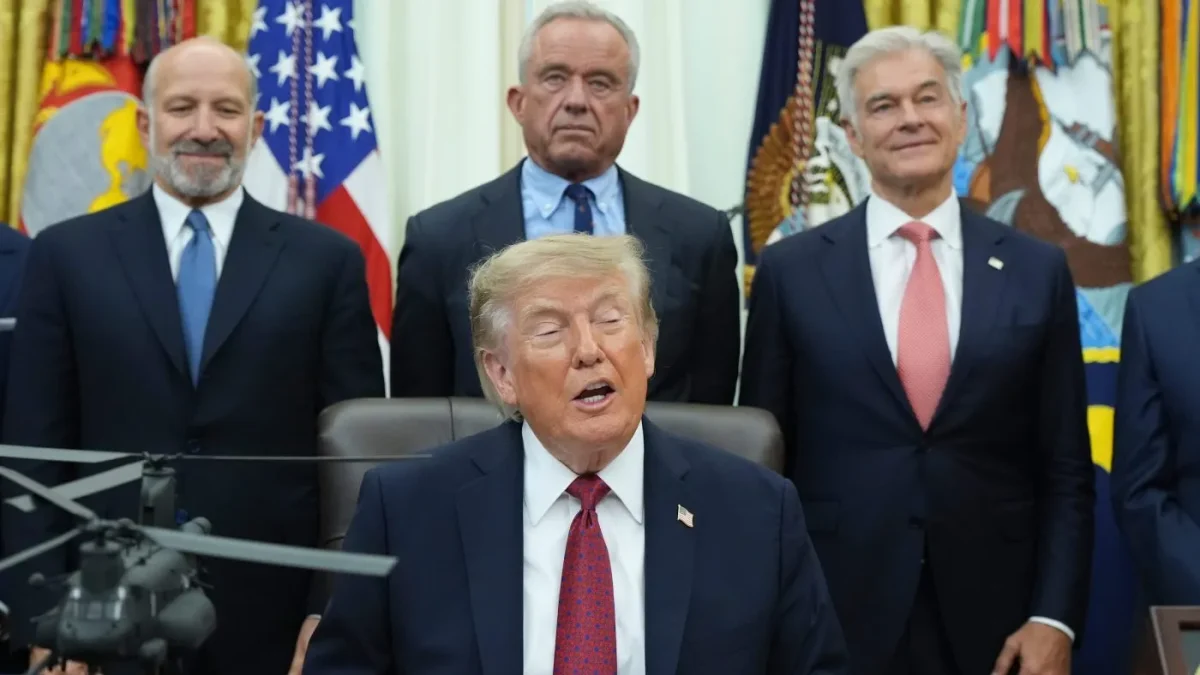
Table of Contents
Nine Midsize Pharma Firms Sign Medicaid Price-Matching Pacts With the White House
Provpnadvice.com – The White House on Monday unveiled a fresh tranche of drug-pricing arrangements, bringing the total number of manufacturers locked into the administration’s most-favored-nation framework to 26. The latest batch comprises nine midsize biotechnology and pharmaceutical firms that will align their Medicaid outpatient drug prices with the rates they already extend to foreign governments. The announcement, staged in the Oval Office with company executives flanking the president, marks the most recent escalation in a campaign that has reshaped how Washington negotiates with the pharmaceutical industry.
“Every drug will be at the lowest prices available anywhere in the world,” President Trump told reporters, standing amid the assembled executives.
What the Agreements Actually Require
Under the new terms, each participating company must bill state Medicaid programs the identical price it charges its foreign counterparts for designated outpatient medications. In practical effect, if a drug costs $40 in Japan and $120 in the United States, the Medicaid price drops to $40. The White House fact sheet accompanying the announcement listed the nine signatories: Alcon, Astellas Pharma, BeOne Medicines, BridgeBio, CSL, Kyowa Kirin, Sun Pharma, Teva Pharmaceuticals, and UCB.
The portfolio of covered therapies spans hemophilia treatments, Parkinson’s disease therapies, macular degeneration drugs, glaucoma medications, liver disease agents, dermatology products, and multiple cancer indications. Collectively, the nine firms pledged to invest no less than $19.6 billion in domestic manufacturing capacity, a figure the administration framed as evidence that price concessions come paired with industrial commitment.
What the Companies Receive in Return
In exchange for matching foreign prices on the Medicaid side, signatories gain two material protections. First, they are carved out of comparable most-favored-nation pricing mandates that would otherwise apply within Medicare. Second, they receive a shield against pharmaceutical tariffs that the administration has threatened to impose on imported medicines. The tariff exemption, in particular, has been a central bargaining chip: several large-cap manufacturers signed earlier deals largely to secure that protection.
With these nine additions, the administration now counts 26 drug companies inside the framework, including heavyweight names such as Pfizer, Merck, and Eli Lilly. Trump asserted that the participating firms collectively account for roughly 90 percent of the branded-drug market in the United States.
“The other 10 percent are coming in — they have no choice,” Trump said.
Smaller and midsize manufacturers had been notably slower to volunteer for the pricing pacts, and Monday’s announcement was framed internally as closing that gap. The companies also commit to listing their medications on the TrumpRx website, a government-run platform designed to give patients direct visibility into negotiated prices.
The Broader Affordability Push and Electoral Timing
The White House has been eager to spotlight these pricing arrangements as a centerpiece of its affordability agenda, a theme it intends to carry into the November midterm elections. The administration projects that its drug-pricing deals could trim $64.3 billion from combined federal and state spending over the coming decade. Analysts and budget watchers have flagged that figure as speculative, noting that the savings depend heavily on which drugs are ultimately covered, how quickly price adjustments flow through state budgets, and whether the tariff exemptions generate offsetting revenue losses.
A further limitation: the deals do not touch the cost burden faced by the more than 160 million Americans who obtain coverage through employer-sponsored plans. For that population, out-of-pocket costs and premium levels remain governed by separate market dynamics that the Medicaid-focused agreements do not alter.
Unresolved Questions and Criticisms
The practical impact of the agreements reached so far remains largely unknown because the White House has kept most deal specifics confidential. Medicaid already guarantees beneficiaries the lowest price offered to any commercial payer — a mechanism known as the best-price rule — so the marginal savings from most-favored-nation pricing could prove modest for patients already enrolled in the program. Critics, including congressional Democrats, have characterized the secretive arrangements as spectacle without substance, arguing that the administration has pushed Congress to codify the policy in statute while withholding the granular details lawmakers would need to verify whether taxpayer savings are real.
Trump, who has long argued that American patients pay far more than counterparts in other developed nations for identical medications, framed the pricing structure as a leveling of the international playing field.
“We were ripped off by the pharmaceutical companies, and we were ripped off more than anything by other countries throughout the world,” he said Monday.
As of the announcement, no drug has yet been launched in the United States under the most-favored-nation agreements. The gap between the administration’s projected savings and the absence of a single implemented price change underscores that the framework, however expansive in rhetoric, is still in its earliest operational phase. Whether the tariff exemptions and Medicare carve-outs will ultimately deliver measurable relief to Medicaid enrollees — or simply redistribute spending across programs — will depend on details that, for now, remain locked inside closed-door negotiations.
Related Reading
Frequently Asked Questions
What is Trump announces Medicaid drug pricing deals?
Trump announces Medicaid drug pricing deals is the main topic of this guide. The article explains the context, practical details, and next steps readers should understand.
Why does Trump announces Medicaid drug pricing deals matter?
Trump announces Medicaid drug pricing deals matters because readers are looking for a useful answer, not just a short summary. Good content should match search intent and help them decide what to do next.