US strikes Iranian rocket launchers in first attack since late July

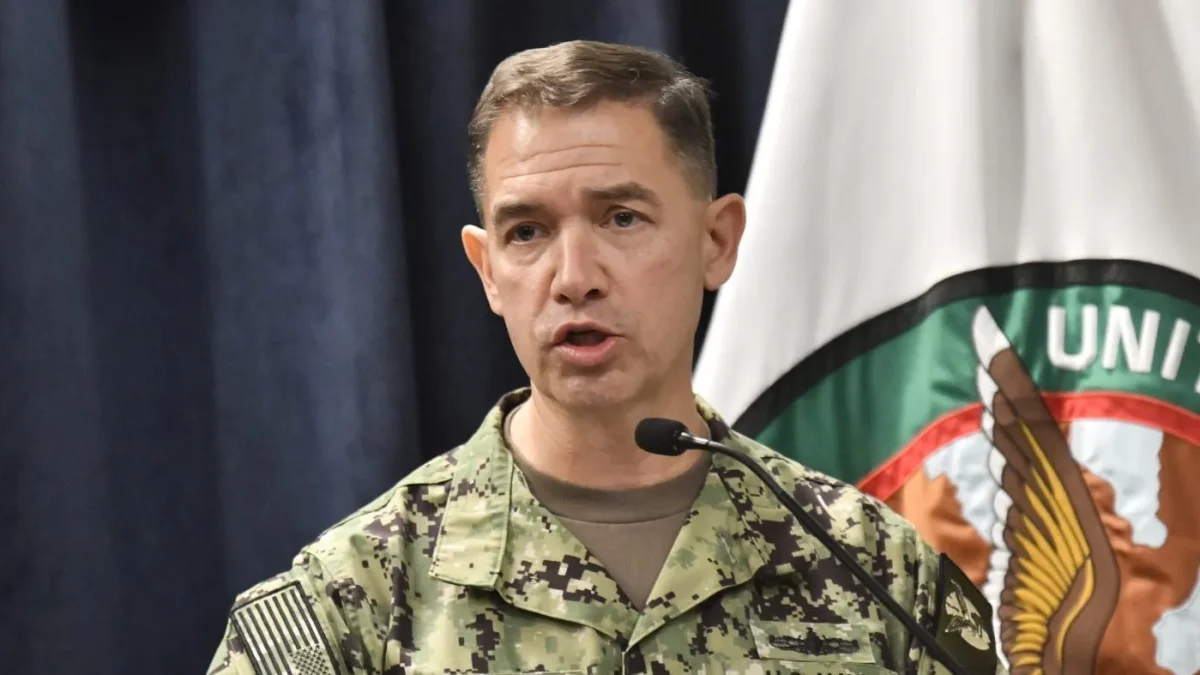
Table of Contents
Strait of Hormuz Tensions Escalate as U.S. Forces Hit Iranian Launchers for First Time in Over a Month
Provpnadvice.com – The long-anticipated confrontation between American and Iranian military forces reignited on Sunday when U.S. forces delivered precision strikes against two rocket launcher positions on Larak Island, a small landmass sitting just off the southern Iranian coast near the port city of Bandar Abbas. The engagement represented the first direct American kinetic action against Iranian targets since July 29, when Centcom aircraft bombed positions in response to an Islamic Revolutionary Guard Corps assault on a U.S. military installation in Jordan. Hours after the strikes, Iranian forces reportedly returned fire, extending the exchange into a brief but pointed tit-for-tat episode.
A Narrow Window of Opportunity
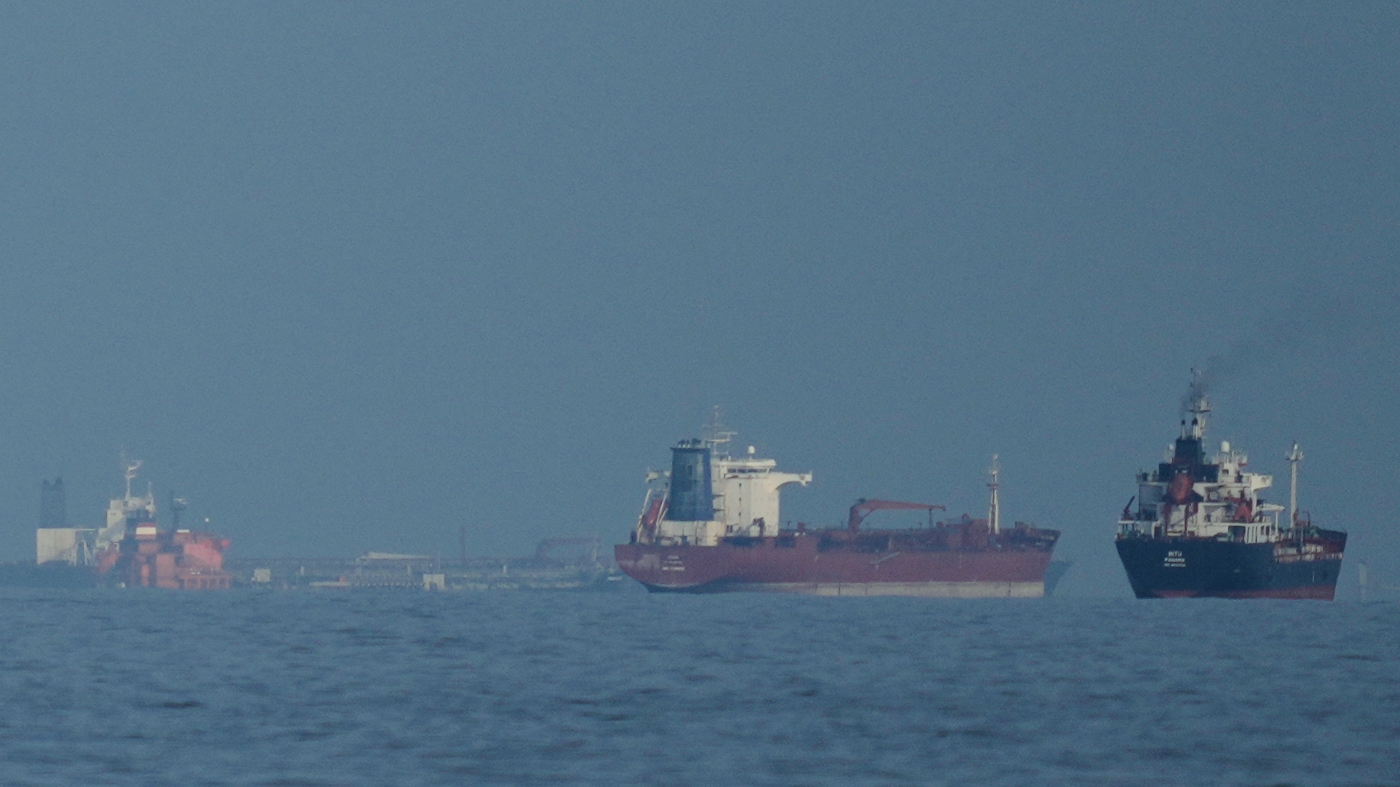
U.S. Navy Capt. Tim Hawkins, serving as the public voice of U.S. Central Command, explained that American sensors detected IRGC personnel on Larak Island in the act of preparing rocket launches loaded with sea mines aimed at the Strait of Hormuz. The timing mattered enormously: just days earlier, Centcom had finished sweeping internationally recognized transit corridors of the strait of Iranian-laid mines, restoring what had been a choked artery of global energy commerce.
“Last week, Centcom completed clearing sea mines from the strait’s international shipping routes,” Hawkins stated. “U.S. forces are monitoring the area closely and remain prepared to protect the free flow of commerce through this essential waterway.”
Centcom subsequently posted on the social platform X that American forces had executed “limited, precise action” against IRGC minelaying units deemed an “imminent threat” to navigation in the waterway. The language was deliberately calibrated to signal proportionality while underscoring that the window for deterrence had closed.
The Broader Minelaying Campaign
The two launchers were not isolated anomalies. They formed part of a sustained IRGC effort to constrain commercial transit through the strait — a roughly 33-mile-wide chokepoint through which approximately one-fifth of the world’s traded petroleum passes daily. The campaign of mine-laying and navigational restrictions had already rippled through global energy markets before Sunday’s strikes. Centcom Commander Adm. Brad Cooper, speaking in a video posted to social media earlier in the week, described the mine-clearing operation as demanding.
“The circumstances were challenging and dangerous to say the least, but we got the job done,” Cooper said. “Bottom line, today, international shipping lanes are open and momentum is building.”
Yet the IRGC’s broader campaign of restrictions had not ended. Sunday’s strikes underscored that the threat environment remained fluid and that American forces would not tolerate renewed attempts to close lanes they had just reopened.
Economic Fallout and Fuel Prices
The commercial consequences of the strait disruption have been felt at the pump. As of Sunday, the American Automobile Association reported an average U.S. gasoline price of roughly $4.07 per gallon. Two days before the United States and Israel launched their military campaign against Iran, that figure had sat at $2.98 per gallon — a jump of more than a dollar in a matter of days, driven by tanker rerouting, insurance premium spikes, and market anxiety over supply continuity.
The price shock has intensified domestic political pressure on the administration to either secure a durable navigational guarantee or escalate further to compel Iranian compliance. Each additional day of uncertainty in the strait compounds inflationary pressures already weighing on consumers and manufacturers.
Diplomatic Threads: Oman and the Islamabad Memorandum
Amid the kinetic exchanges, a quieter diplomatic track continued. Iranian and Omani officials met this week to negotiate a temporary corridor allowing commercial vessels to transit the strait under agreed protocols. Omani Foreign Minister Badr al-Busaidi expressed optimism that both sides would announce the pathway “soon.”
“Future management of the Strait and a permanent solution will follow in due course, as per Article 5 of the Islamabad Memorandum,” al-Busaidi wrote on social media Tuesday.
His reference invoked the interim peace arrangement reached in June between the Trump administration and Iranian officials — a deal that has since lapsed but whose framework Oman is attempting to reactivate as a stopgap. The minister added that “discussions with regional partners will be conducted in support of peace and cooperation, stability and freedom of navigation,” signaling Muscat’s intent to keep multilateral channels open even as bilateral military friction persists.
Economic Warfare Tightens on Monday
The day after the strikes, the administration moved to compound military pressure with financial force. The Treasury Department’s Office of Foreign Assets Control announced sanctions on nearly 60 entities, individuals, and vessels described as enabling the Iranian regime’s “recklessness, including illicit nuclear and missile technology procurement, cyber operations, and oil-revenue generation networks.”
Treasury Secretary Scott Bessent declined to identify which foreign governments or firms were in the crosshairs, telling reporters that the administration was “outlining timelines for action behind the scenes.”
“We’re not going to name names. We’ve already seen some results,” Bessent said, noting that President Trump is “quite persuasive.” He added, “I would expect that very quickly, if they do not respond, then you will see the ramifications of their actions,” referring to foreign countries doing business with Tehran.
The layered approach — kinetic strikes on Sunday, sanctions on Monday, and parallel diplomatic overtures through Oman — suggests the administration is attempting to compress the decision space available to Iranian leadership. Whether that compression produces a negotiated navigational guarantee or a wider confrontation remains the central question facing markets, regional capitals, and American taxpayers in the weeks ahead.
Related Reading
Frequently Asked Questions
What is US strikes Iranian rocket launchers in first?
US strikes Iranian rocket launchers in first is the main topic of this guide. The article explains the context, practical details, and next steps readers should understand.
Why does US strikes Iranian rocket launchers in first matter?
US strikes Iranian rocket launchers in first matters because readers are looking for a useful answer, not just a short summary. Good content should match search intent and help them decide what to do next.