Flock contract cancellations grow among cities, other jurisdictions

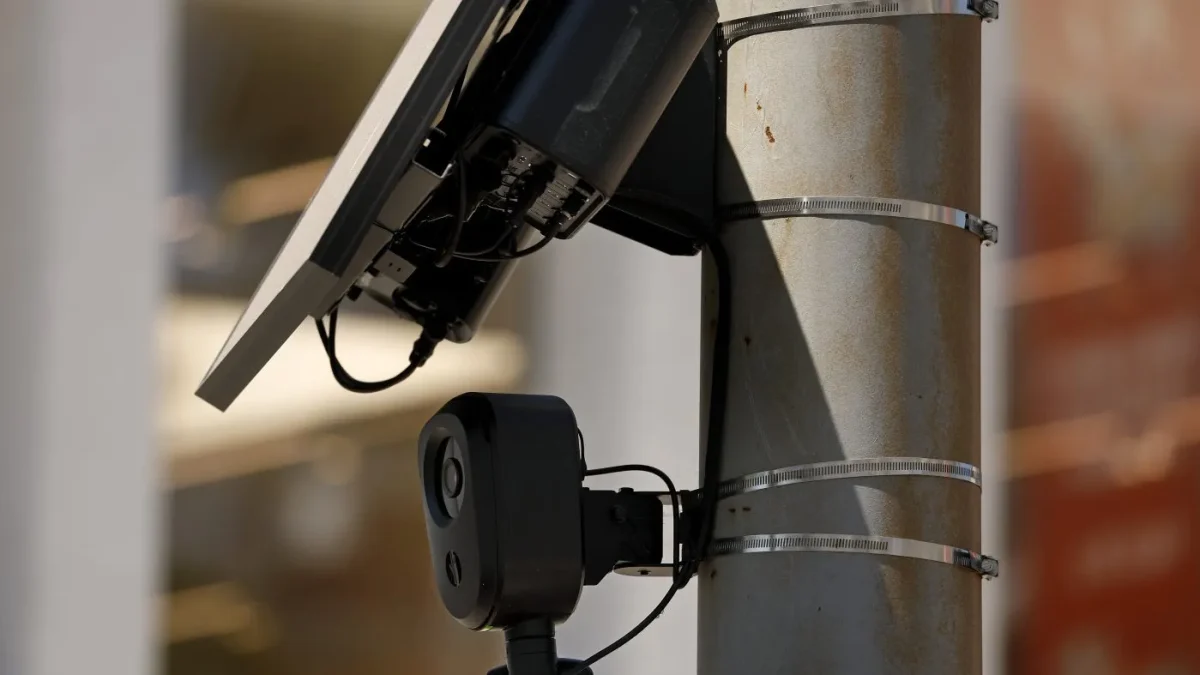
Table of Contents
City Hall Pushback Against Flock’s Plate-Reading Network Accelerates
Provpnadvice.com – The quiet infrastructure of automated license plate readers — cameras bolted to utility poles and traffic signals that silently log every passing vehicle — has become one of the most contested surveillance technologies in American municipal governance. What began as a niche law-enforcement tool has ballooned into a sprawling national network, and the backlash against it is now arriving in waves. On Wednesday, two communities in the Phoenix, Arizona metropolitan area joined a growing list of jurisdictions that have severed ties with Flock Safety, the company operating the largest such network in the country.
Tempe and Cave Creek Pull the Plug
Tempe, a suburb of roughly 100,000 residents, announced it would switch off every Flock camera installed within its borders. The city had been paying $80,000 under its existing contract. Officials cited a steady drumbeat of reports describing how plate-reading data had been exploited beyond its intended purpose in other parts of the state and across the nation.
Just three hours after Tempe’s announcement, the smaller neighboring town of Cave Creek confirmed it had ended its own Flock arrangement and physically removed the hardware from its streets.
“While the cameras have been a useful tool for Tempe … recent cases involving the misuse of automated license plate reader systems in Arizona and nationwide have raised concerns about the risks that come with the technology.”
Cave Creek’s statement, posted to the social platform X, framed the decision in community-protection terms:
“In light of several high-profile abuse cases reported locally and nationally, as well as a recent theft of a FLOCK camera … staff determined it was in the best interest of the community to discontinue the system.”
A Network Built for Crime-Solving, Now Under Scrutiny
Flock’s platform works by pairing roadside cameras with audio sensors to capture plate numbers and what the company terms a “vehicle signature” — a composite identifier linking a plate to a specific make, model, and color. The system does not gather biometric data or perform facial recognition. What it does do is share vehicle-movement information with partner agencies, stitching together a cooperative web that now spans more than 120,000 cameras across 49 states. The stated purpose is straightforward: give detectives a faster way to trace vehicles connected to crimes.
The problem, critics argue, is that the same database that helps solve a burglary can also be queried to track a neighbor, a former partner, or a political rival. An investigative report published by the Washington Post in early August documented more than 50 law-enforcement officers who had been accused, formally charged, or convicted of using ALPR data for purposes unrelated to active investigations — including tracking ex-partners without their knowledge or consent.
As of Wednesday, anti-surveillance advocacy group DeFlock tallied over 90 cities that had either cancelled existing Flock contracts or voted to reject new ones.
State and Federal Officials Join the Pressure
The controversy has drawn attention well beyond municipal boardrooms. Florida Governor Ron DeSantis, speaking at a Wednesday press conference, described the expanding footprint of plate-reading technology as “out of control.”
“I’m all about having law enforcement have tools to be able to hold criminals accountable,” DeSantis said. “But I don’t want to have this become a surveillance state.”
In Washington, Senator Josh Hawley (R-Mo.) opened a formal inquiry into Flock’s national network on the same day, citing multiple documented instances of what he characterized as “abuse and misuse of personal data.” In his letter addressed to Flock chief executive Garrett Langley, Hawley highlighted a February incident in which a police officer allegedly ran his ex-girlfriend’s plate number through the system 124 times and her former boyfriend’s plate 55 times.
Flock Responds With Policy Overhauls
Amid a rising tide of lawsuits and public criticism, Flock disclosed a package of changes to its privacy and data-retention rules the previous week. Two new features now require agencies using the platform to activate an “Audit Assistance” function that detects anomalous query patterns and flags them for administrator review. A second mechanism, labeled “proactive lockout,” automatically suspends a user’s access to Flock data the moment their activity crosses a predefined threshold of unusual behavior, pending supervisory review.
The American Civil Liberties Union, which maintains several active litigation matters against the company, offered a measured reaction. The organization called the announced changes “seems positive at first blush,” while cautioning that “the devil will be in the details” of how the features actually operate in practice.
The Company Defends Its Role
A Flock spokesperson addressed the Tempe cancellation directly, saying the company respected the city’s sovereign decision but maintained that the technology continues to serve a protective function.
“We believe Tempe could have preserved the system’s value in helping solve serious crimes while still respecting privacy, and taking that tool away does not make a community safer.”
For residents of Tempe, Cave Creek, and the dozens of other municipalities now weighing similar moves, the question is no longer whether plate-reading cameras can solve crimes. The question has shifted to whether the absence of oversight safeguards makes the tool more dangerous than useful — and whether a community’s right to opt out of a surveillance network should be treated as a legitimate exercise of local self-governance rather than a rejection of public safety.
Related Reading
Frequently Asked Questions
What is Flock contract cancellations grow among cities?
Flock contract cancellations grow among cities is the main topic of this guide. The article explains the context, practical details, and next steps readers should understand.
Why does Flock contract cancellations grow among cities matter?
Flock contract cancellations grow among cities matters because readers are looking for a useful answer, not just a short summary. Good content should match search intent and help them decide what to do next.