Iran warns Middle East neighbors against joining US ‘economic war’

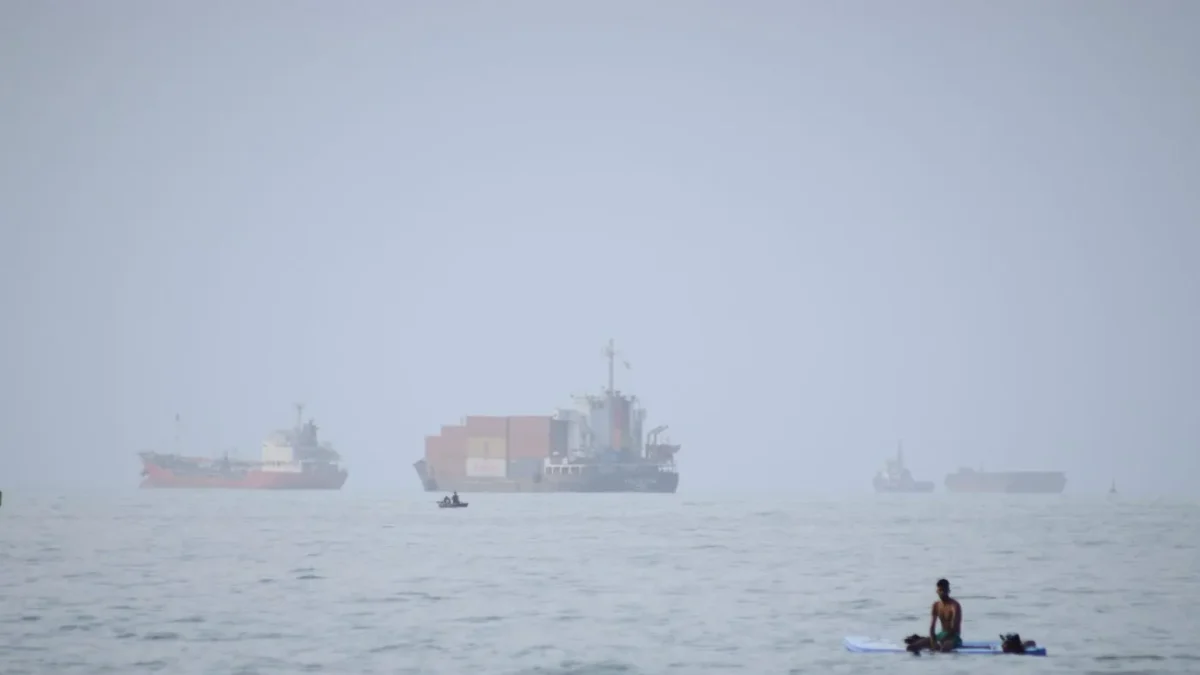
Table of Contents
Tehran Tells Regional Neighbors: Stay Out of Washington’s Economic Siege
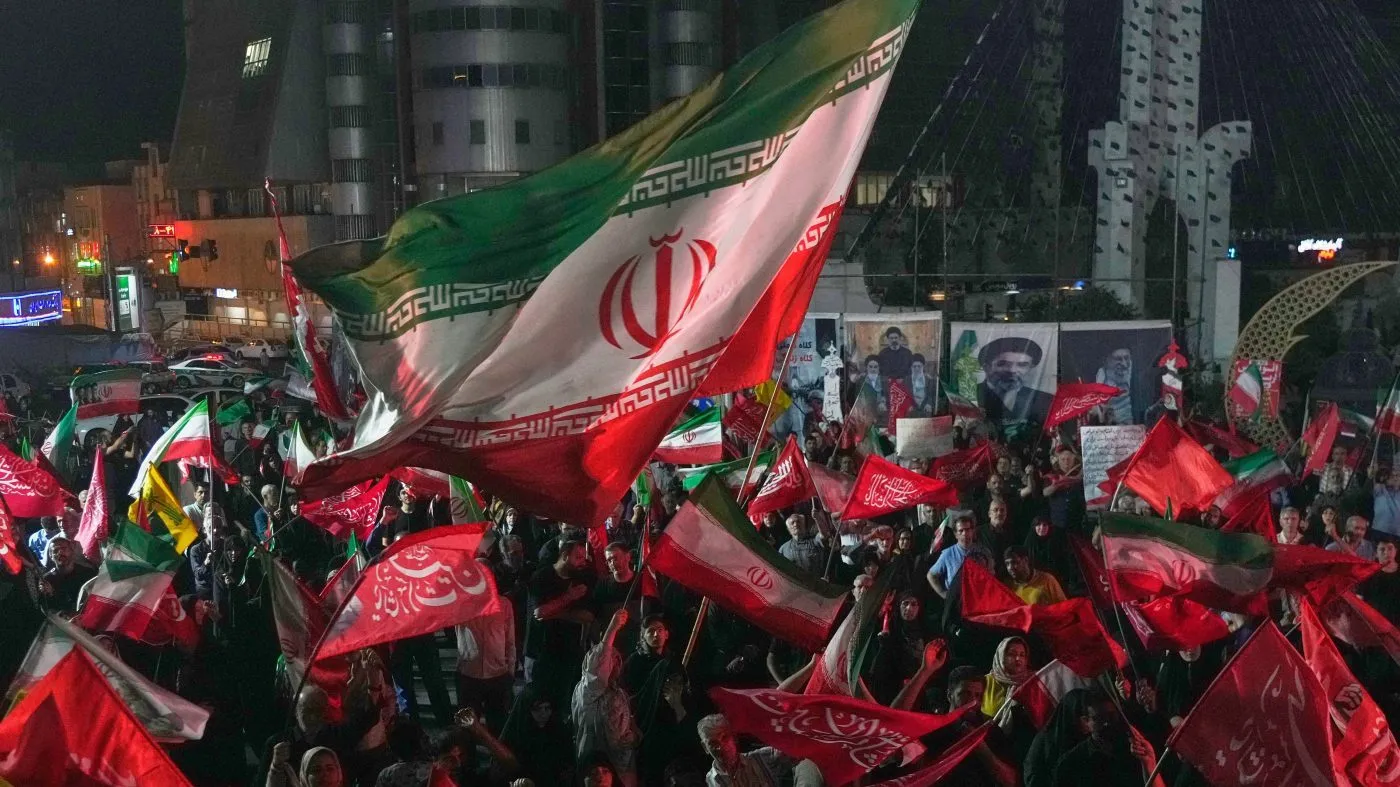
Provpnadvice.com – As the armed confrontation between the United States and Iran approaches its sixth month, Tehran has issued a pointed warning to its neighbors across the Middle East: do not become instruments of what it calls an American “economic war” aimed at strangling the Iranian economy. The message, delivered by Mohsen Rezaei, head of Iran’s Supreme National Security Council, lands at a moment when Washington has escalated its pressure campaign to what it describes as an unprecedented scale, and when the critical waterway of the Strait of Hormuz has remained effectively shut since March.
A Direct Threat to Gulf and Levantine States
Rezaei’s remarks, carried through Iranian state media on Saturday, were unambiguous in their targeting. He told surrounding nations that Tehran would not tolerate their participation in what he framed as a coordinated American effort to suffocate Iran’s trade and financial lifelines. The implicit audience includes oil-exporting Gulf states, transit hubs along the eastern Mediterranean, and any country whose banks, shipping registries, or exchange networks might be pressed into service against Tehran.
“If President Trump wants to do something, we will retaliate in a seismic manner,” Rezaei told state media.
He went further, specifying the mechanism of retaliation: should neighboring countries fold into the economic pressure apparatus, Tehran would aim at the shipping lanes through which Persian Gulf oil reaches global markets. For a region where a single disruption of tanker traffic can send crude benchmarks spiking within hours, that threat carries weight well beyond its rhetorical framing.
Trump’s “Economic D-Day” Declaration
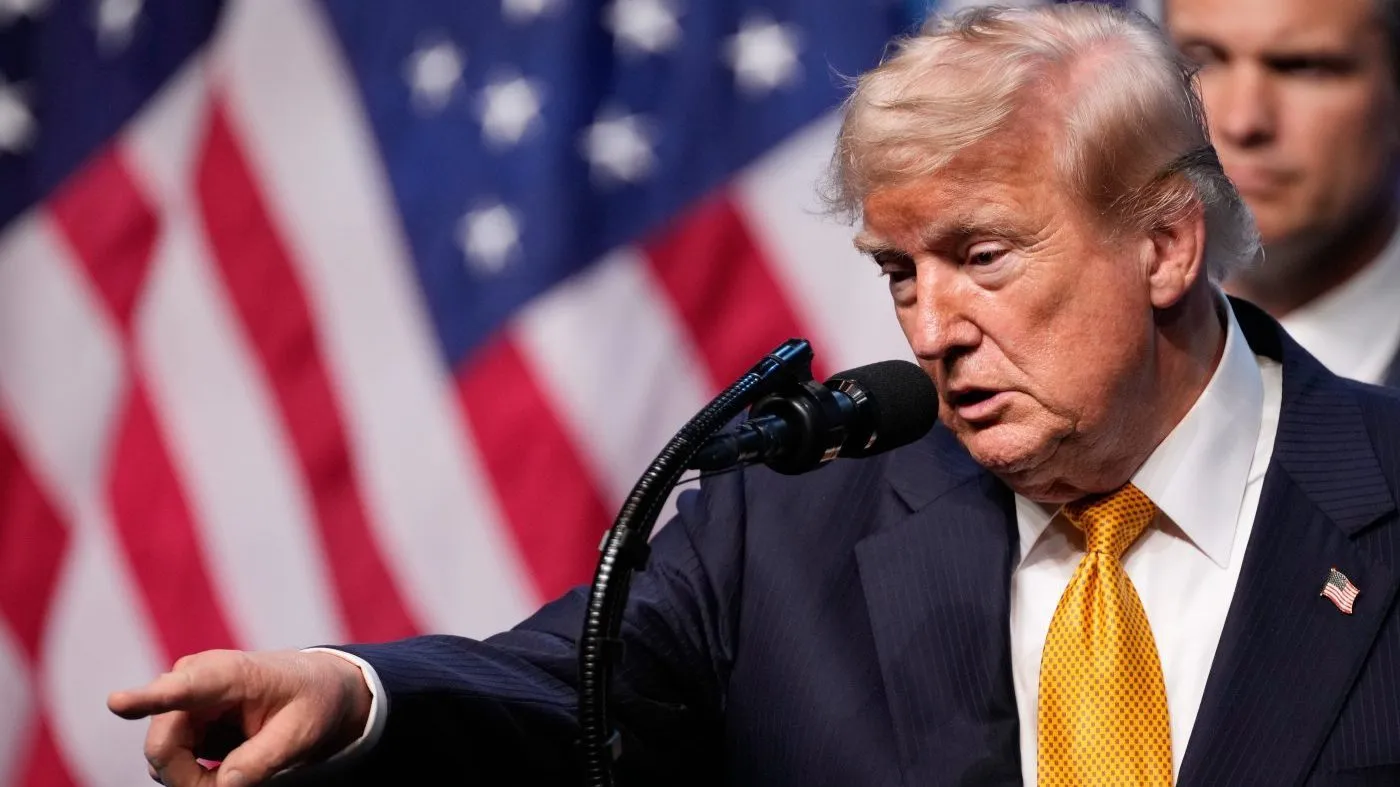
The Iranian warning arrives in direct response to a sweeping announcement made by President Trump the previous week. Speaking on his Truth Social platform, the president declared what he called the “MOST CRUSHING ECONOMIC OPERATION EVER” directed at Iran, timed to coincide with ongoing negotiations over reopening the Strait of Hormuz — the narrow chokepoint through which roughly one-fifth of the world’s daily oil consumption transits.
“This will be Economic Warfare and Isolation on an unprecedented scale,” the president wrote.
Trump laid out a granular list of channels he wanted sealed shut: oil smuggling networks, currency swap lines, cash transfers, exchange houses, ship registries, and what he termed “front companies.” His language left little room for interpretation.
“Oil smuggling, swap lines, cash transfers, exchange houses, ship registries, front companies — It all needs to stop NOW. You know who you are,” the president wrote.
He framed the operation in explicitly military terms, invoking a World War II analogy to rally allied governments.
“This will be an ECONOMIC D-DAY, and we need all of our Allies to stand with the United States of America to isolate, and defeat, the Iran threat,” Trump continued.
The president added that any nation extending “any type of lifeline to Iran” would confront what he described as “TREMENDOUS Economic Consequences” from Washington. The phrasing suggests a secondary-sanctions architecture in which third-country banks, insurers, and shipping firms could face exclusion from dollar clearing or American trade if they continue servicing Iranian counterparties.
The Strait of Hormuz: Jurisdiction, Closure, and Territorial Threats
Context matters here. The Strait of Hormuz, roughly thirty-nine kilometers at its narrowest, is shared under joint jurisdiction between Iran and Oman. Since March, it has been essentially closed to commercial traffic, a condition that has already reshaped global energy flows, pushed freight insurance premiums to historic highs, and forced buyers to reroute cargoes around the Cape of Good Hope at substantial time and cost penalties.
Against that backdrop, Trump has threatened to convert the strait into a U.S. territory — a claim that would upend decades of international maritime law, the 1958 and 1982 UN Conventions on the Law of the Sea, and the bilateral arrangements under which Oman and Iran co-manage the waterway. Whether or not that threat materializes, its mere articulation has hardened the posture of Gulf states that had hoped for a negotiated de-escalation.
Pezeshkian’s Counter-Narrative: Victory Already Acknowledged
Rezaei’s hardline warning sits alongside a softer signal from the Iranian presidency. On Friday, President Masoud Pezeshkian stated that the U.S.-Iran war should be brought to a close because, in his assessment, the international community has already accepted Tehran’s victory in the conflict. The two messages — one existential, one conciliatory — reflect the internal tension within Iran’s governing structure between the security establishment, which controls military and foreign-policy levers, and the presidency, which carries the constitutional mandate to manage diplomacy and public sentiment.
What the Regional Audience Must Weigh
For the states caught between these two poles — Saudi Arabia, the United Arab Emirates, Qatar, Kuwait, Bahrain, Oman, Turkey, Iraq, and others — the calculus is stark. Aligning with Washington’s economic isolation campaign could insulate them from secondary sanctions but risks drawing them into the crosshairs of Iranian retaliation against their own export corridors. Remaining neutral, meanwhile, invites the very “TREMENDOUS Economic Consequences” Trump has promised. The six-month-old conflict, already the longest sustained military confrontation between the two powers since 1980, now appears to be entering a phase in which economic coercion, rather than kinetic strikes, will determine which side blinks first.
Related Reading
Frequently Asked Questions
What is Iran warns Middle East neighbors against?
Iran warns Middle East neighbors against is the main topic of this guide. The article explains the context, practical details, and next steps readers should understand.
Why does Iran warns Middle East neighbors against matter?
Iran warns Middle East neighbors against matters because readers are looking for a useful answer, not just a short summary. Good content should match search intent and help them decide what to do next.