5 things to know about the Freedom 250 Grand Prix in Washington

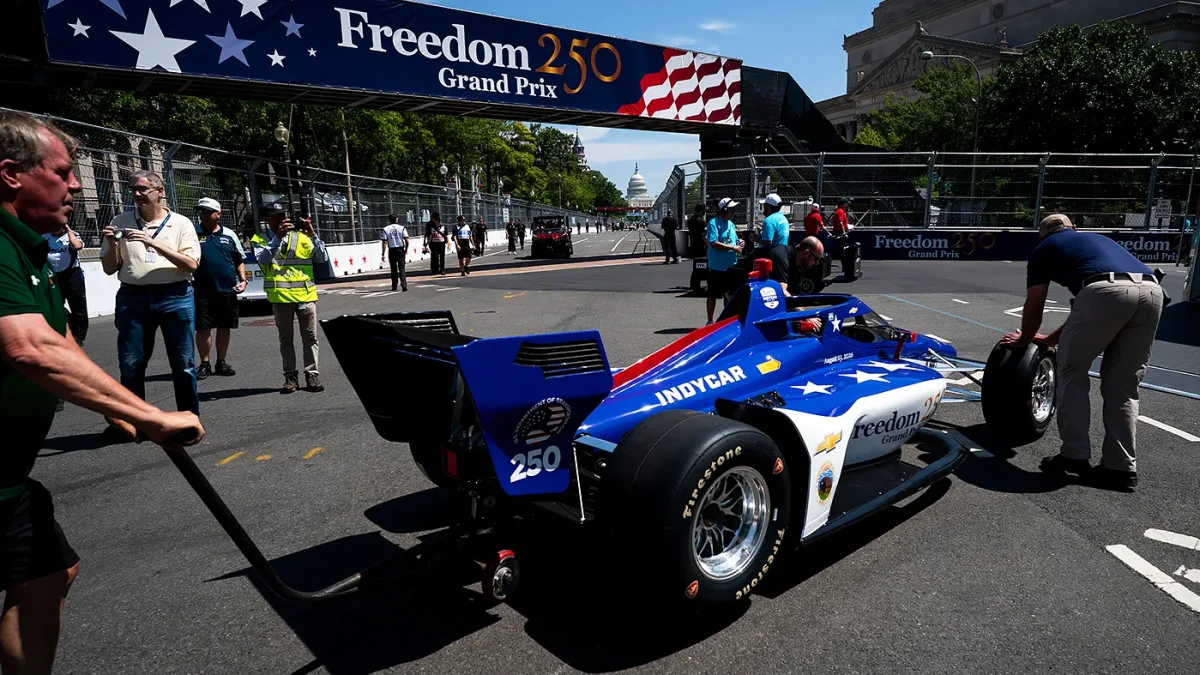
Table of Contents
IndyCar Invades the National Mall: What to Expect From the Freedom 250 Grand Prix
Provpnadvice.com – For the first time in the history of the nation’s capital, professional open-wheel racing will thunder through the streets of Washington, D.C. this weekend. The IndyCar Series has scheduled its Freedom 250 Grand Prix as the closing chapter of its 2026 season, turning the area surrounding the National Mall and downtown thoroughfares into a temporary motorsport arena. The two-day spectacle arrives at the tail end of a summer packed with high-profile events orchestrated under the Trump administration, and it doubles as one of the culminating celebrations marking the United States’ 250th anniversary.
How a Presidential Idea Became a Race Weekend
The event did not appear on the original 2026 IndyCar calendar. Instead, it materialized through direct presidential intervention. According to accounts circulating this week, Trump had been contemplating a street circuit through the capital for months before formally instructing the Departments of Transportation and the Interior in January to map out a viable racing route threading the National Mall. The result is what organizers describe as the first automobile race ever staged on Washington’s streets, and they have signaled it will almost certainly remain a singular occurrence rather than a recurring fixture on the touring schedule.
Transportation Secretary Sean Duffy has framed the occasion in explicitly unifying terms. Speaking to the New York Post earlier this week, he offered:
“And I think if you look at the political divide in America, this is an event that brings America together. Cars and racing is freedom and American.”
Whether the event achieves that rhetorical goal or simply becomes another flashpoint for debate remains to be seen. What is certain is that the spectacle will command enormous national attention, particularly given the ceremonial role the president himself will play on race day.
The Track, the Format, and the Championship Stakes
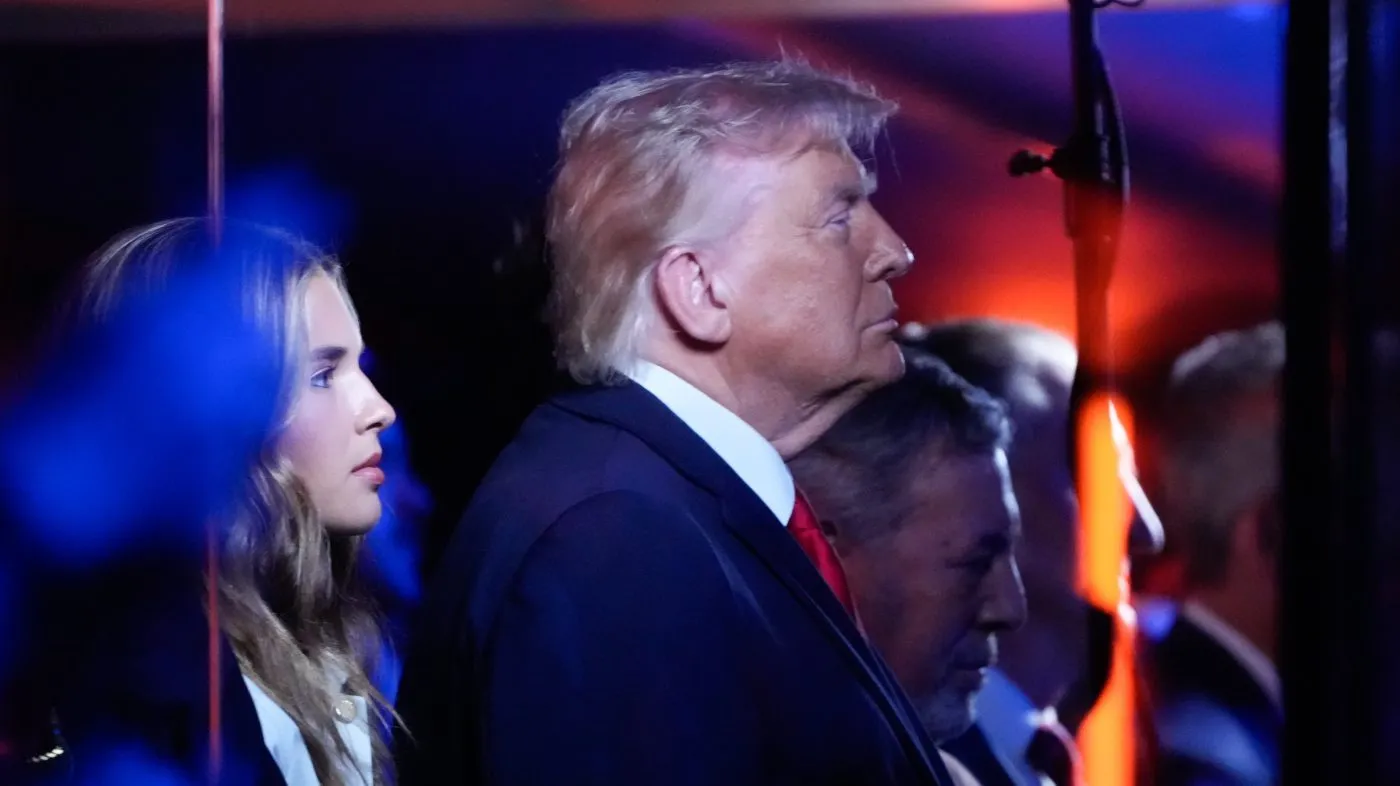
The circuit measures 1.7 miles and incorporates seven turns, requiring drivers to complete 147 laps to finish. Saturday’s program opens with two practice sessions before qualifying determines the grid for Sunday’s main event. Race-day activities commence at 9 a.m. with a warmup lap, followed by the green flag being waved personally by President Trump at 1 p.m. First lady Melania Trump is also expected to join him for a ceremonial lap aboard the presidential limousine, nicknamed “The Beast,” before the competition begins.
On the competitive front, the weekend lands at a critical juncture in the championship battle. Series points leader Álex Palou will be on the grid, as will Kyle Kirkwood, the highest-ranked American driver in the standings. Both compete in Honda-powered machines, setting up a direct manufacturer rivalry within the top tier of the field. For a sport that has long cultivated a devoted but comparatively narrow fanbase, the placement of this race in front of the most recognizable skyline in American politics represents a potential inflection point in mainstream visibility.
Longtime motorsport journalist Curt Cavin captured the stakes in a column published this week:
“It’s all about the visual for me. You know, time and place. The visuals of the U.S. Capitol, Washington Monument, White House and the rest of the elements that make the city the most recognizable in the world will give the sport much-craved relevance. Everything else is secondary, including the actual race, which at close to three hours will be interesting in itself. Let’s see how cool all of this looks.”
Logistics, Disruption, and the Commuter Toll
The physical buildout has been consuming weeks of municipal effort. Streets across downtown have been sealed off, sidewalks along major arteries fenced with temporary barriers, and vast hospitality suites erected where office workers and tourists normally flow. Much of the National Mall, ordinarily a pedestrian paradise during peak tourist season, has been rendered impassable to both vehicles and foot traffic. Local officials have urged residents without tickets to avoid the corridor entirely for the duration of the weekend and have encouraged ticketed attendees to rely on public transit to reach their assigned viewing zones.
The frustration has been palpable. Nancy Marlow, a daily commuter in the district, told local radio station WTOP this week:
“This is worse than cherry blossom. I’ve been out here over an hour. This time of year, it normally takes me 20 minutes.”
Her comparison to the annual Tidal Basin cherry-blossom festival, which draws hundreds of thousands of visitors each spring, underscores the scale of disruption. Even neighborhoods well removed from the circuit have felt the ripple: small streets near the Lincoln Memorial were briefly shuttered on Friday while production crews filmed a promotional segment for the race’s television broadcast.
A Summer of State-Sanctioned Spectacle
The Grand Prix is the latest in a string of major events the administration has staged in the capital over the past several months. Trump hosted the Great American State Fair, oversaw a UFC primetime bout staged just steps from the White House, and delivered a July 4th address to the nation before one of the largest downtown fireworks displays in recent memory. Each event has drawn scrutiny over scale, cost, and the blending of governmental authority with commercial entertainment. The IndyCar weekend, with its presidential green-flag ceremony and limousine lap, extends that pattern into the world of professional motorsport.
For residents navigating closed streets, detoured bus routes, and the low-frequency rumble of 500-horsepower engines shaking pavement for hours, the question is less about whether the race will be thrilling and more about whether the city can absorb the disruption without lasting scars to its daily rhythm. The answer will be written in the weeks after the checkered flag falls, when the hospitality suites come down, the fences are struck, and the National Mall reopens to the ordinary flow of summer tourists and congressional staff returning from recess.
Related Reading
Frequently Asked Questions
What is 5 things to know about the Freedom?
5 things to know about the Freedom is the main topic of this guide. The article explains the context, practical details, and next steps readers should understand.
Why does 5 things to know about the Freedom matter?
5 things to know about the Freedom matters because readers are looking for a useful answer, not just a short summary. Good content should match search intent and help them decide what to do next.