
WHO warns of health crisis ‘unfolding in real time’ across Middle East
WHO Alerts to Ongoing Health Crisis in Middle East
Regional Director Calls for Immediate Ceasefire
Dr. Hanan Balkhy, the World Health Organization’s regional director for the Eastern Mediterranean, emphasized the need for an immediate halt to hostilities to prevent a “health crisis unfolding in real time.” She highlighted the critical role of hospitals and healthcare centers as protected zones, urging all parties to prioritize their safety.
Escalating Threats to Medical Infrastructure
The organization is revising protocols to address potential damage to nuclear sites, with Balkhy expressing alarm over attacks targeting water desalination plants. Such strikes, she warned, could trigger widespread disaster, disrupting essential services and threatening millions. The Middle East comprises 22 nations and territories, including Iran, the Gulf states, Gaza, Sudan, Afghanistan, and Pakistan, all facing compounded challenges.
Humanitarian Impact and Displacement
Balkhy noted that the crisis has worsened over time, now manifesting as a full-scale regional health emergency. “It’s not just about lives being lost. It’s about a collapse of access to care in multiple dimensions,” she explained. Conflicts have disrupted chronic disease treatment, with over 3.2 million displaced in Iran and more than 1 million in Lebanon within a month.
Long-Term Consequences of Continued Fighting
The health repercussions extend beyond immediate casualties. Balkhy cited rising maternal mortality, mental health struggles, and children left orphaned without education as growing concerns. She also stressed the risk of nuclear facilities being struck, whether intentionally or through error, which could have catastrophic effects on water supply.
Recent Attacks and Verification Efforts
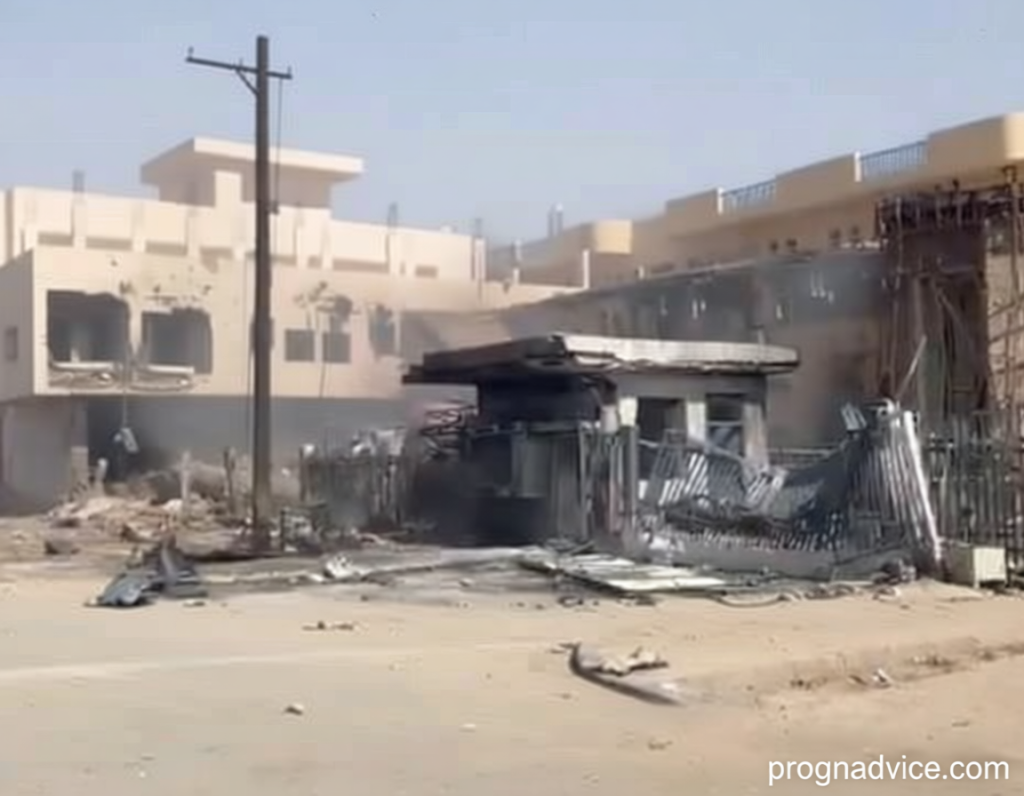
The WHO has confirmed numerous strikes on healthcare sites in Lebanon, Iran, and Israel since the US-Iran war began. A recent assault on El-Daein teaching hospital in Sudan killed at least 70 individuals, including 13 children, and rendered the facility inoperable. Balkhy lamented the shift from hospitals as safe sanctuaries to targets, underscoring the need to restore adherence to international humanitarian law.
Global Neglect of Regional Crises
Balkhy also criticized the sidelining of crises in Gaza, Sudan, and Yemen as global focus shifted to the US-Iran conflict. “Behind this neglect, there is significant hardship, death, and disease,” she stated.
“My worry is driving me to prepare and have my teams ready. That’s what we’re doing,” Balkhy said, referencing reports of a projectile hitting the Bushehr nuclear power plant in Iran. The same site had been struck earlier in March.
Water Contamination Risks
She warned that attacks on oil or nuclear facilities could contaminate underground water sources via rainwater, leaving populations vulnerable even if alternative water supplies exist. “We are witnessing this crisis unfold in a dangerously accelerated manner,” she added. “The only solution now is a substantial de-escalation or a temporary pause in the war’s intensification.”
Balkhy urged the protection of healthcare workers and patients, emphasizing the importance of safeguarding the sector during conflicts. The WHO is collaborating with other UN bodies to develop strategies to mitigate potential catastrophes if attacks persist.
