
Iran threatens Gulf energy facilities after Israeli attack on its largest gasfield
Iran threatens Gulf energy facilities after Israeli attack on its largest gasfield
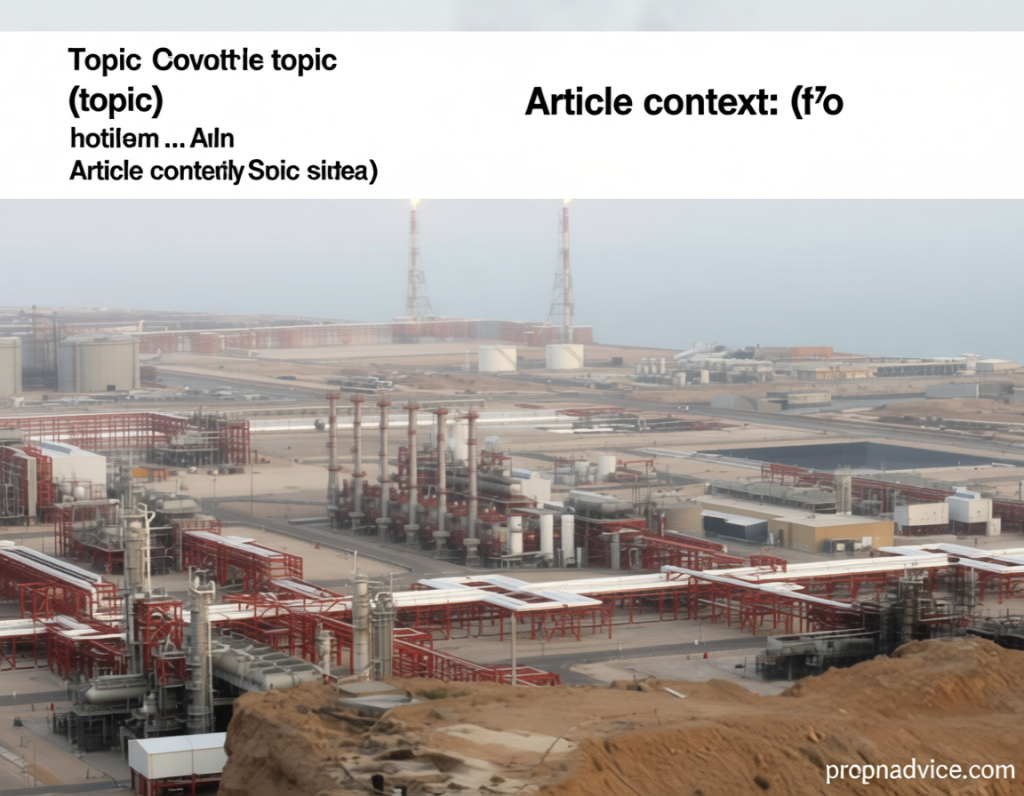
Following Israeli strikes on its South Pars gasfield, Iran has vowed to strike energy sites across the Gulf region. This marks the first direct assault on its fossil fuel production since hostilities began, prompting a response from the country’s Revolutionary Guards. Targets reportedly include key facilities in Saudi Arabia, the UAE, and Qatar, with attacks set to occur “within the next few hours.”
State media confirmed that missiles had targeted the shared South Pars gasfield, a critical global reserve, and attributed the strikes to Israeli action with US approval. The incident signals a significant escalation in military operations, as the US and Israel had previously focused on minimizing damage to Iran’s oil and gas sector to avoid triggering a broader price spike.
“These centres have become direct and legitimate targets and will be targeted in the coming hours. Therefore, all citizens, residents, and employees are requested to immediately leave these areas and move to a safe distance without any delay,” the warning said.
As a result of the threats, global oil prices rose sharply, reaching $108.60 a barrel on Wednesday. Europe’s gas prices surged by over 7.5%, hitting €55.50 per megawatt hour, reflecting growing fears of supply disruptions. The war’s third week saw Iranian attacks on the UAE’s Shah natural gasfield, alongside strikes on Iraq’s Majnoon oilfield and the UAE’s Fujairah port.
Eskandar Pasalar, a regional official, criticized the US-Israeli strategy as “political suicide,” arguing it had shifted the conflict into a full-scale economic war. Meanwhile, a Qatari representative emphasized that targeting energy infrastructure jeopardizes global security and regional stability.
Daily exports from the Gulf have dropped by at least 60% since the war started, due to damaged pipelines and storage capacity limits. Despite this, Iran’s oil exports remain uninterrupted through the Hormuz Strait, with the country threatening to ignite tankers from its neighbors. The oil price briefly exceeded $116 a barrel last week, the highest since May 2022, as markets assessed the ongoing crisis.
