
Iran says it will show ‘zero restraint’ if energy infrastructure is targeted again
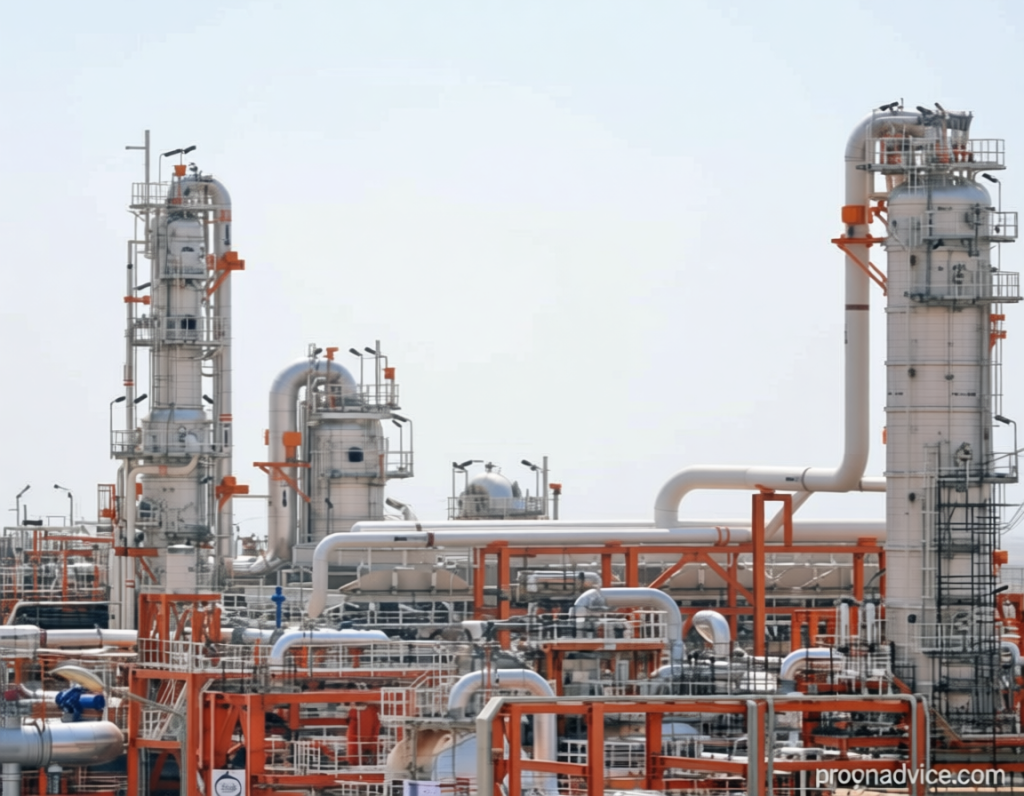
Iran says it will show ‘zero restraint’ if energy infrastructure is targeted again
On Thursday, Iran vowed to respond with “zero restraint” should its energy facilities face another strike, following reports that nearly one-fifth of Qatar’s liquefied natural gas (LNG) export capacity had been disrupted by an Iranian attack. The warning came from Iranian Foreign Minister Abbas Araghchi, who framed the retaliation as a fraction of Iran’s full capability, emphasizing that restraint was due to a request for de-escalation.
The escalation followed Israel’s strike on the South Pars gasfield, a shared resource with Qatar, which sparked Iranian counterattacks on Qatar’s Ras Laffan complex and other Gulf nations. These strikes, attributed to Iran, led to a sharp drop in global stock markets and a surge in natural gas prices. Ras Laffan, a key hub, provides approximately 20% of the world’s LNG supply.
“Our response to Israel’s attack on our infrastructure employed FRACTION of our power. The ONLY reason for restraint was respect for requested de-escalation,” Araghchi posted on X. “ZERO restraint if our infrastructures are struck again.”
Amid rising fears of an energy crisis, U.S. President Donald Trump faced scrutiny over his claim that the Israeli assault on the gasfield had not been coordinated with Washington. Trump defended his stance during a meeting with Japan’s prime minister, stating he had advised Israeli leader Netanyahu not to attack again. “He won’t do that,” he assured, though the logic of Israel’s unilateral action remained unclear.
Global crude prices saw a 10% spike, reaching $119 per barrel before retreating to $110. This marks a 60% increase since the U.S.-Israel war on Iran began on 28 February. European and U.K. gas prices also surged, climbing 24% before easing, with levels more than doubling since the conflict started. Markets experienced heavy sell-offs, with declines in Japan, South Korea, and Hong Kong spilling into European exchanges.
The UK’s FTSE 100 fell 2.35% to 10,063 points, mirroring similar drops in Germany’s Dax and France’s CAC. Airlines warned of higher fuel costs pushing up ticket prices, urging passengers to secure travel plans early. Major carriers like Air France-KLM and Lufthansa announced increased flights through Asia, as Gulf hubs faced reduced operations.
While the U.S. considered deploying thousands of troops to reinforce its Middle East campaign, unnamed Israeli officials suggested the gasfield attack might not be repeated. Iranian strikes also targeted Saudi Arabia’s Red Sea refinery and two Kuwaiti oil facilities. QatarEnergy’s CEO, Saad Sherida Al-Kaabi, noted the damage amounted to roughly $20 billion.
International leaders, including the UK, France, Germany, Italy, Netherlands, and Japan, issued a joint statement expressing “deep concern” over the conflict’s acceleration. They urged Iran to halt threats and attacks on shipping routes, aligning with UN Security Council Resolution 2817. “The effects of Iran’s actions will be felt worldwide, especially by the most vulnerable,” the statement concluded.
