
The country where lethal hantavirus cases are on the rise. Experts blame climate change
The Country Where Lethal Hantavirus Cases Are on the Rise: Climate Change Blamed
The country where lethal hantavirus cases – In recent months, Argentina has witnessed a sharp increase in hantavirus infections, with the number of cases nearly doubling from the previous year. Health officials have confirmed 101 new instances of the disease this season, compared to just 57 during the same period in 2025. Alongside this spike, the nation has also recorded 32 fatalities, marking the highest death toll since 2018. The surge has raised urgent concerns, particularly after a deadly outbreak on the cruise ship MV Hondius claimed the lives of a Dutch couple who had traveled extensively across the country before boarding the vessel.
Outbreak on the MV Hondius Sparks Investigation
The MV Hondius, which departed from Ushuaia, a port city in southern Argentina, on April 1, is now en route to Spain’s Canary Islands. Officials suspect the couple’s exposure to the virus originated during their travels, which spanned multiple regions of Argentina. Their journey included crossings into Chile and Uruguay, and the ministry is working to trace their movements to pinpoint the exact location of infection. While no cases have been detected in Ushuaia for decades, the virus is known to thrive in other parts of the country, particularly in areas with dense vegetation and rodent populations.
“The timeline doesn’t quite align with them contracting the disease here,” said Juan Petrina, the director of epidemiology for Argentina’s Tierra del Fuego province. Petrina’s statement highlights the challenge of determining whether the outbreak was linked to the couple’s time in Ushuaia or to other regions they visited. The virus is typically transmitted through contact with the urine or feces of infected rodents, but experts warn that environmental changes are pushing it into new territories.
Climate Change and Habitat Destruction as Culprits
According to specialists, the rise in hantavirus cases is closely tied to climate change and the destruction of natural habitats. These factors are creating conditions that allow the rodents responsible for spreading the virus to flourish in areas they previously couldn’t inhabit. “The increasing interaction between humans and wild environments, alongside the loss of natural habitats, is making it easier for the virus to spread beyond its traditional range,” stated the Argentine health ministry in a recent report.
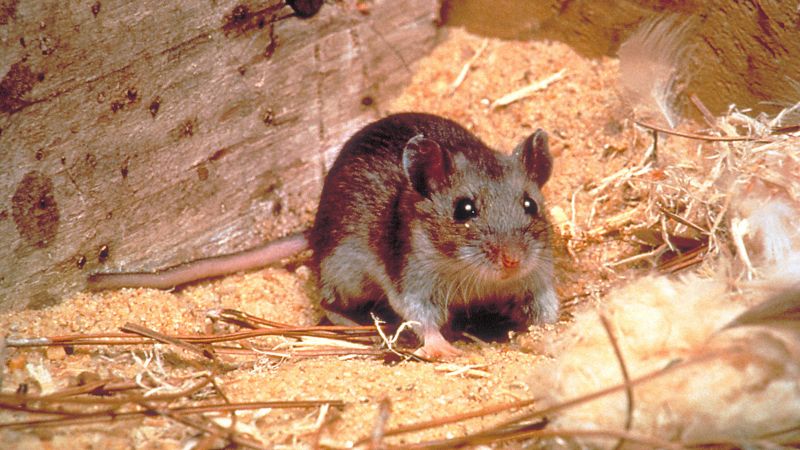
Extreme weather events, such as prolonged droughts and sudden heavy rainfall, have played a significant role in this trend. These phenomena alter ecosystems, disrupting the natural balance that once kept rodent populations in check. Eduardo López, an infectious disease specialist who advised the government during the pandemic, noted that climate shifts are enabling the long-tailed mouse—a primary carrier of the virus in Argentina and Chile—to expand its territory. “These rodents are adapting more efficiently to changing conditions, which could explain the growing number of infections,” López explained.
Additionally, deforestation and the construction of urban settlements in rural zones are contributing to the problem. “When humans encroach on natural areas, they bring the virus closer to communities,” said Roberto Debbag, vice president of the Latin American Society of Vaccinology. Debbag pointed out that forest fires have displaced both people and wildlife, forcing them into new environments where the risk of transmission is higher. “If a tourist area isn’t properly cleared of undergrowth, the likelihood of encountering infected rodents increases dramatically,” he added.
Historical High-Risk Zones and a Shift in Patterns
Traditionally, hantavirus outbreaks in Argentina have been concentrated in the southern region, particularly in Patagonia. A severe epidemic in 2018 killed 11 individuals and infected dozens more, primarily in the provinces of Neuquén, Río Negro, and Chubut. However, this season’s cases have shifted toward the central part of the country, with the province of Buenos Aires reporting the most infections—42 in total. This change has puzzled researchers, as it suggests that the virus is no longer confined to its usual habitats.
Experts have identified four key regions in Argentina that are historically prone to hantavirus outbreaks: the Northwest (covering Salta, Jujuy, and Tucumán), the Northeast (including Misiones, Formosa, and Chaco), the Center (encompassing Buenos Aires, Santa Fe, and Entre Ríos), and the South (Neuquén, Río Negro, and Chubut). The Dutch couple’s travel itinerary, which included visits to Misiones and Neuquén, aligns with these high-risk zones. However, the spread into central areas like Buenos Aires is a new development, raising questions about how the virus is adapting to different environments.
The MV Hondius outbreak has been specifically linked to the Andes strain of hantavirus, a variant that is less common but more dangerous than others. This strain can transmit between humans under certain conditions, such as prolonged close contact in confined spaces like cabins on a cruise ship. “The Andes strain is particularly virulent, and its presence on a cruise ship underscores how the virus is now reaching unexpected places,” said Debbag. The ministry has launched efforts to analyze the rodents in Ushuaia, where the couple may have been exposed, to understand the broader pattern of the outbreak.
A Call for Action and Global Implications
Argentina’s health ministry has emphasized the need for increased surveillance and public awareness campaigns. Technical teams are set to investigate rodent activity in Ushuaia, which lies in the Tierra del Fuego province, to determine whether the region’s ecosystem has become a new hub for the virus. “We must monitor these areas closely, as the virus continues to evolve with our changing environment,” the ministry stated.
While the current situation is alarming, it also serves as a warning for other regions. Climate change is not only affecting Argentina but is also contributing to similar trends in Latin America and beyond. The interplay between human activity and environmental shifts is creating a perfect storm for infectious diseases like hantavirus. “This is a clear example of how climate change can drive public health crises,” López remarked. “If we don’t address these factors, we may see more outbreaks in areas that were once safe.”
As the MV Hondius approaches its destination, the focus remains on understanding the origins of the outbreak and preventing future incidents. The Dutch couple’s case highlights the global reach of hantavirus, which is no longer confined to rural settings. With climate change accelerating, the challenge of containing such diseases will only grow. The Ministry of Health’s response is a critical step in addressing this emerging threat, but experts stress that sustained efforts are needed to mitigate the long-term impacts of environmental changes on public health.
