
Is Europe losing the robotics race to China, and does it matter?
Is Europe losing the robotics race to China, and does it matter?
A Glimpse into China’s Robotics Dominance
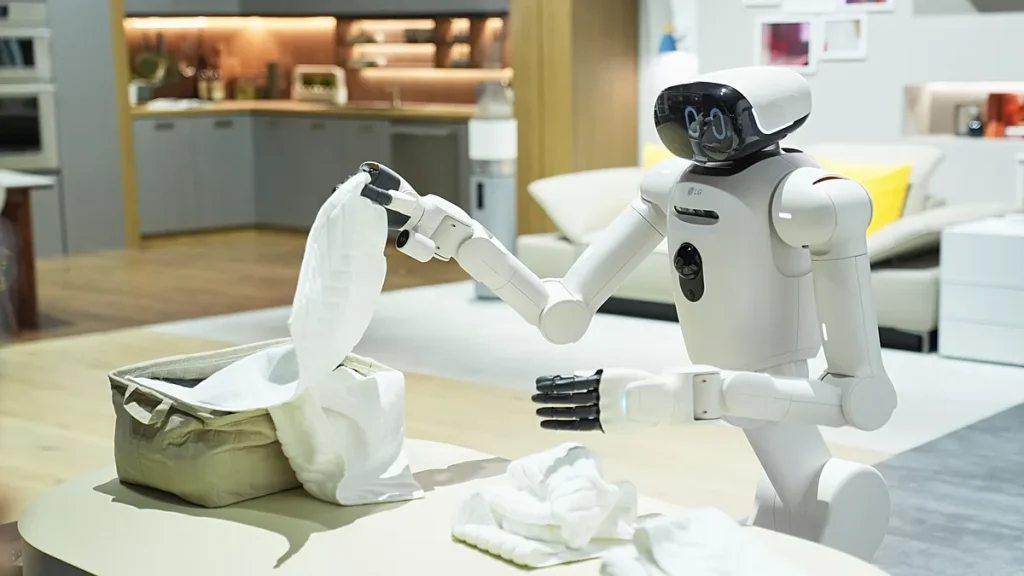
During a visit to Hangzhou, Germany’s Chancellor Friedrich Merz witnessed a dynamic showcase of humanoid robots performing intricate moves like dancing and boxing. The event, held during the Chinese New Year, underscored China’s growing influence in the sector. Merz returned with a concern: Germany’s industrial output is no longer keeping pace. Unitree, a Hangzhou-based firm, led the innovation charge, highlighting China’s command of the market as 2026 began.
Market Growth and Investment Trends
China’s grip on the industry is evident in the data. Over 87% of humanoid robots delivered in 2025 were produced in the country. However, the total number of units shipped globally remains relatively low—just more than 13,000 last year. Unitree ranks second, with over 4,000 units, trailing Agibot’s 5,168, according to Forbes. Despite this, investor enthusiasm is high. Barclays projected that the global humanoid robotics market, currently valued at $2–3 billion, could surge to $200 billion by 2035.
Europe’s Strategic Edge and Challenges
Europe’s robotics sector has strengths in precision engineering and industrial automation, yet it faces hurdles. Rodion Shishkov, founder of London-based construction tech firm All3, noted that European startups struggle to secure funding compared to their U.S. and Chinese counterparts. “Here in Europe, I must battle for tens of millions in investment, while American peers secure billions with similar effort,” he said. The challenge is compounded by the fact that functional, non-humanoid robots are often overshadowed by humanoid innovations, even though they may be more practical for certain tasks.
Call for Policy and Strategic Focus
Andrei Danescu, CEO of Dexory, a European logistics robotics startup, warned against viewing the robotics race as a contest of aesthetics. “The real issue is whether a robot solves a tangible problem, not if it walks on two legs,” he argued. He pointed to collaborative factory arms, warehouse automation, and surgical assistants as examples of European advancements. Yet, he stressed that China’s consistent investment across hardware, software, and manufacturing integration poses a significant threat. “This is no time for complacency or bureaucratic inertia,” Danescu added.
Integration Barriers and Safety Concerns
Sam Baker, a veteran in industrial robotics and current investor at Planet A, highlighted the difficulty of integrating automation into traditional industries. “The biggest obstacle is safety,” he said. “Few discussions address it from both regulatory and standards perspectives.” In construction, for instance, robots must work alongside humans, requiring robust systems to ensure seamless collaboration. While Europe excels in niche applications, Baker believes the region must address systemic gaps to stay competitive.
“You need to think of function first. If there’s a huge hole to be dug, we don’t need a humanoid robot with a spade—we need an excavator. If there’s a self-driving car, do we need a humanoid robot driving it? No. We must stop starting with the shape and begin with the purpose,” Shishkov emphasized.
“The AI Act is a start, but robotics needs its own targeted approach—policy, funding, strategy. We cannot regulate our way to competitiveness, but we can certainly regulate our way out of it,” Danescu concluded.
